
.jpeg)
The difference between infliximab and rituximab
As important biological agents in the field of modern immunotherapy, Infliximab and Rituximab are both monoclonal antibody drugs. However, there are significant differences in their targets, mechanisms of action, indications, and clinical applications. An in-depth understanding of the differences between these two drugs will not only help to accurately select drugs and improve treatment effects, but also help patients and clinicians better evaluate safety and economic burden, and provide scientific basis for individualized treatment plans.
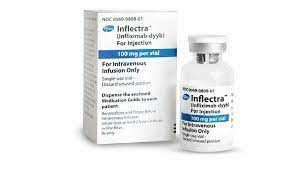
Infliximab is a chimeric (mouse-human) monoclonal antibody that specifically neutralizes tumor necrosis factor alpha (TNF-α). TNF-α is a pro-inflammatory cytokine that plays a key inflammation-mediating role in a variety of inflammatory and autoimmune diseases. By binding and blocking the binding of TNF-α to its receptor, infliximab can effectively suppress the overactive state of the immune system, reduce inflammatory responses, and relieve pathological tissue damage. Because TNF-α plays a central role in the pathogenesis of Crohn's disease (CD), ulcerative colitis, rheumatoid arthritis (RA), ankylosing spondylitis, psoriatic arthritis and other diseases, infliximab has been widely used clinically in these diseases and has become a first-line or important biologic treatment option.
Rituximab is a mouse-human chimeric monoclonal antibody targeting the CD20 antigen on the surface of B cells. CD20 is a cell surface protein expressed during B cell development. It is widely present in mature B cells and their precursors, but is not expressed in pre-B cells and plasma cells. By targeting CD20, rituximab mediates antibody-dependent cytotoxicity and complement-dependent cytotoxicity, promotes B cell apoptosis and clearance, and achieves the effect of reducing the number of abnormal B cells and adjusting immune function. B cell abnormalities play a key role in a variety of autoimmune diseases (such as rheumatoid arthritis, multiple sclerosis) and B cell lymphoma. Therefore, rituximab has not only been approved for the treatment of rheumatic diseases, but has also become an important drug for a variety of B-cell non-Hodgkin lymphomas and leukemias.
From the mechanism of action, infliximab inhibits the inflammatory pathway center and reduces local and systemic inflammatory reactions by neutralizing dissolved and membrane-bound TNF-α. Rituximab directly eliminates B cells, reduces the production of autoantibodies and immune complex formation, and its action path is more directly targeted at the immune cells themselves. The two target different immunological targets, so there is limited overlap in indications and each has its own focus.
In clinical application, infliximab is mainly used to treat chronic inflammatory diseases, including rheumatoid arthritis, ankylosing spondylitis, psoriatic arthritis and inflammatory bowel disease. It has significant efficacy in improving arthritis symptoms, preventing structural destruction of joints, and reducing intestinal inflammation. The clinical indications of rituximab are more diverse. In addition to autoimmune diseases, it also includes B-cell non-Hodgkin lymphoma, chronic lymphocytic leukemia and other tumor diseases, demonstrating its important role in tumor immunotherapy.
Reference materials:https://www.drugs.com/infliximab.html
[ 免责声明 ] 本页面内容来自公开渠道(如FDA官网、Drugs官网、原研药厂官网等),仅供持有医疗专业资质的人员用于医学药学研究参考,不构成任何治疗建议或药品推荐。所涉药品可能未在中国大陆获批上市,不适用于中国境内销售和使用。如需治疗,请咨询正规医疗机构。本站不提供药品销售或代购服务。


