
.jpeg)
Detailed explanation of the anti-angiogenesis mechanism of bevacizumab
Bevacizumab (Bevacizumab) is a representative monoclonal antibody drug. Its innovative anti-tumor mechanism does not directly attack cancer cells, but achieves the therapeutic purpose of indirectly inhibiting tumor growth and metastasis by targeting a key link in the tumor microenvironment - angiogenesis. Bevacizumab's highly selective binding to vascular endothelial growth factor A (VEGF-A) is its core mechanism. Tumor tissue requires a large amount of oxygen and nutrients during the proliferation process, and the transportation of these substances must rely on new blood vessels. Therefore, blocking the angiogenesis process of tumors is equivalent to cutting off its "feeding lifeline."
Under normal physiological conditions, VEGF-A, as a pro-angiogenic factor, participates in embryonic development, wound healing and other processes. However, in tumor tissues, VEGF-A expression levels are significantly elevated and induce abnormal vascular proliferation. These new blood vessels are usually structurally disordered and dysfunctional. They cannot effectively transport oxygen and promote the escape and metastasis of tumor cells. Bevacizumab binds to VEGF-A molecules and blocks its binding to VEGFR (vascular endothelial growth factor receptor), thereby inhibiting the activation of the VEGF signaling pathway, slowing down the proliferation and migration of vascular endothelial cells, and achieving the effect of inhibiting the formation of new blood vessels in tumors.
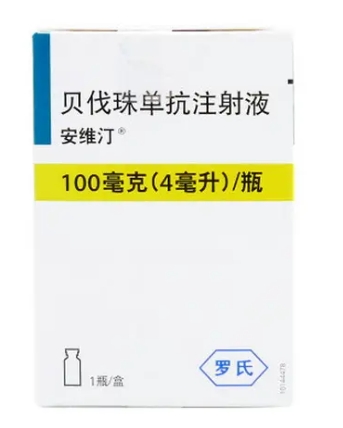
The anti-angiogenic effects of bevacizumab have dual clinical benefits. On the one hand, it directly cuts off the tumor's dependence on oxygen and nutrients, causing tumor cells to be in a state of hypoxia and starvation, thereby inhibiting further expansion of the tumor volume; on the other hand, because it inhibits the formation of abnormal blood vessels, it can also "normalize" the residual vascular structure to a certain extent, increase the penetration rate of other drugs (such as chemotherapy drugs or immunotherapy drugs) in the tumor tissue, and form a synergistic therapeutic effect. This is also the theoretical basis for bevacizumab to be often used in combination with other therapies.
Of note, bevacizumab does not exhibit its anti-angiogenic properties in just one type of cancer. Currently, it is widely used in the treatment of a variety of malignant tumors, including non-small cell lung cancer, colorectal cancer, cervical cancer, renal cell carcinoma, and glioblastoma. Whether in adjuvant therapy, maintenance therapy or the control of advanced tumors, the vascular inhibitory mechanism of bevacizumab plays an irreplaceable role.
However, sinceVEGF also plays an important role in some normal tissue repair processes, bevacizumab may cause some adverse reactions related to vascular function, such as hypertension, proteinuria, delayed wound healing, and even rare gastrointestinal perforation. Therefore, in clinical use, doctors need to comprehensively evaluate the patient's underlying disease, postoperative recovery status, and other drug combination options to ensure maximum safety and efficacy.
From the perspective of molecular target selection, bevacizumab successfully launched the clinical precedent of "anti-angiogenesis" treatment strategy, and also set an example for the development of many anti-tumor drugs.
Reference materials:https://www.drugs.com/bevacizumab.html
[ 免责声明 ] 本页面内容来自公开渠道(如FDA官网、Drugs官网、原研药厂官网等),仅供持有医疗专业资质的人员用于医学药学研究参考,不构成任何治疗建议或药品推荐。所涉药品可能未在中国大陆获批上市,不适用于中国境内销售和使用。如需治疗,请咨询正规医疗机构。本站不提供药品销售或代购服务。


