
.jpeg)
What should I do if I have diarrhea while taking afatinib? Mitigation methods
Afatinib is a targeted drug used to treat EGFR mutation-positive non-small cell lung cancer (NSCLC). It has a mechanism of irreversible inhibition of ErbB family receptors such as EGFR and HER2. However, although this mechanism effectively inhibits the proliferation and differentiation of tumor cells, it also has a certain inhibitory effect on normal epithelial cells, especially intestinal mucosal cells, leading to one of the most common side effects - diarrhea. This kind of diarrhea may start to appear from the beginning of medication, especially in the first few weeks of treatment, and may even become one of the main obstacles affecting patients' adherence to treatment.
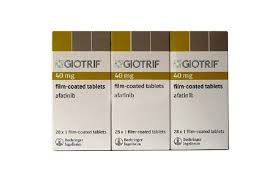
The occurrence of diarrhea is not uncommon, and most patients can be effectively relieved through early intervention. First of all, doctors usually start with the recommended dose of 40 mg/day, but for patients who are underweight, older, or have underlying diseases, they may consider starting with 30 mg or lower to observe tolerance. Secondly, once the patient develops mild diarrhea during treatment (the number of bowel movements per day increases slightly), it can be controlled with conventional antidiarrheal drugs such as Loperamide. The frequency of taking the drug must follow the doctor's advice, and it is not advisable to take it on your own for a long time.
Diet conditioning is also very important. It is recommended that patients avoid greasy, spicy, high-fiber, and dairy foods and switch to a light, easy-to-digest, electrolyte-rich diet, such as rice soup, bananas, apple puree, etc. At the same time, pay attention to timely replenishment of water and electrolytes to prevent dehydration. Elderly patients, in particular, need to be alert to the risk of cardiac rhythm disorders caused by low sodium and low potassium.
If diarrhea symptoms worsen, you need to contact your doctor immediately and consider reducing the dose or temporarily discontinuing the medication. In clinical practice, many patients can adapt to the medicine after 2-4 weeks, and the degree of diarrhea naturally reduces or enters a controllable range. Therefore, the key is to safely get through the initial sensitive period.
Reference materials:https://www.giotrif.com/
[ 免责声明 ] 本页面内容来自公开渠道(如FDA官网、Drugs官网、原研药厂官网等),仅供持有医疗专业资质的人员用于医学药学研究参考,不构成任何治疗建议或药品推荐。所涉药品可能未在中国大陆获批上市,不适用于中国境内销售和使用。如需治疗,请咨询正规医疗机构。本站不提供药品销售或代购服务。


