
.jpeg)
Interpretation of key contents of Telisotuzumab drug instructions
Telisotuzumab (Telisotuzumab vedotin) is a new type of targeted antibody-drug conjugate (ADC), which is composed of targeted c-Metreceptor monoclonal antibody is linked to a cytotoxic microtubule inhibitor (MMAE) through a stable linker. It has the ability to highly selectively recognize and kill tumor cells with abnormal expression of c-Met protein. The drug is mainly used to treat patients with non-small cell lung cancer (NSCLC), especially those with high levels of c-Met expression and who have received systemic therapy. This article will comprehensively analyze the instructions for Telisotuzumab, covering its indications, usage and dosage, mechanism of action, adverse reactions, and clinical research data.
First of all, from the perspective of indications, terituzumab has been granted accelerated approval by the U.S. FDA for the treatment of adult patients with advanced or metastatic non-squamous non-small cell lung cancer with high c-Met protein expression (as detected by FDA-approved companion diagnostic reagents). The so-called "high expression" generally means that the staining intensity of c-Met protein in tumor tissue reaches 3+, and the proportion of positive cells is not less than 50%. Such patients often lack effective targeted therapies. The launch of Telisotuzumab provides a new treatment option for this specific patient group, especially in patients with lung cancer who have negative targets such as EGFR and ALK.
In terms of usage and dosage, the recommended dosage of Telisotuzumab is 1.9 mg/kg, which should be injected intravenously once every two weeks (Q2W), and the maximum single dose should not exceed 190mg. Treatment should be continued until disease progression or unacceptable toxicity occurs. In practical applications, doctors need to calculate the dose based on the patient's weight and strictly control the injection speed and infusion process to reduce the risk of related infusion reactions. The drug does not require special dilution before injection and can be used in conjunction with other conventional infusion regimens. However, the preparation and administration steps recommended in the instructions must still be strictly followed to ensure drug efficacy and safety.
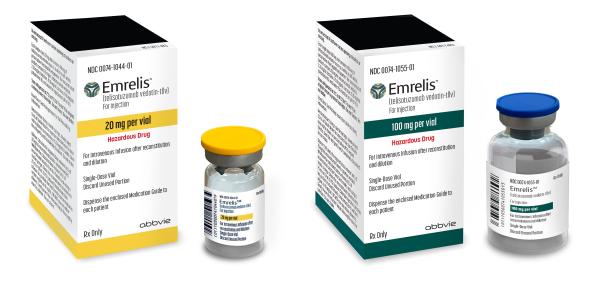
Telisotuzumab vedotin’s mechanism of action has both targeting and cytotoxic effects. Its monoclonal antibody part can bind with high affinity to the c-Met receptor overexpressed on the surface of tumor cells, and is subsequently endocytosed into lysosomes by cells to release MMAE (monomethyl auristatin E). This ingredient is a powerful microtubule inhibitor that can prevent tumor cell mitosis and lead to cell apoptosis. Because of this dual mechanism of "targeting + poisoning", Telisotuzumab can accurately kill tumor cells without damaging most normal tissues.
In terms of clinical research, the main efficacy data of Telisotuzumab comes from the LUMINOSITY II phase clinical study. This trial is aimed at patients with non-squamous non-small cell lung cancer who do not carry EGFR/ALK mutations and have high expression of c-Met protein. The study shows: span>Telisotuzumab’s objective response rate (ORR) reached 35%, of which complete response (CR) is 0% and partial response (PR
In terms of security,The adverse reactions of Telisotuzumab are generally controllable. The most common adverse reactions include fatigue (34%), peripheral neuropathy (27%), decreased appetite, constipation, nausea, etc. Among them, the most important thing to pay attention to is peripheral nerve toxicity. Especially as the medication time is prolonged, symptoms such as numbness and tingling in the hands and feet may occur. In severe cases, the dose must be reduced or the medication must be discontinued. In addition, about 10%of patients experienced grade three or above adverse reactions, mainly involving neutropenia, elevated transaminases, abnormal blood sugar, etc. All patients should undergo close laboratory testing and neurologic monitoring during use.
The instructions also specifically mention the risk of Telisotuzumab being contraindicated in pregnant and lactating women. Since the drug has a cytotoxic mechanism and may cause harm to the fetus, strict contraception is recommended during use. For patients with hepatic and renal insufficiency, it should be used with caution after weighing the risks and benefits. There is still insufficient data to support safety assessment in patients with severe hepatic and renal impairment.
To sum up, Telisotuzumab vedotin (Telisotuzumab vedotin) is an innovative c-Met targeted antibody drug conjugate, which provides a new option for precision treatment for patients with specific molecular subtypes of non-squamous non-small cell lung cancer. Its reasonable dose design, clear indication positioning, highly targeted mechanism, and good clinical efficacy and controllable toxicity have made it one of the important breakthroughs in the current field of precision treatment of lung cancer. In the future, with the release of more phase III clinical study data and the advancement of companion diagnostic technology, Telisotuzumab is expected to gain wider indication expansion and patient coverage, further consolidating its core position in c-Met targeted therapy.
Reference materials:https://www.drugs.com/
[ 免责声明 ] 本页面内容来自公开渠道(如FDA官网、Drugs官网、原研药厂官网等),仅供持有医疗专业资质的人员用于医学药学研究参考,不构成任何治疗建议或药品推荐。所涉药品可能未在中国大陆获批上市,不适用于中国境内销售和使用。如需治疗,请咨询正规医疗机构。本站不提供药品销售或代购服务。


