
.jpeg)
What are the common side effects of Cosibelimab?
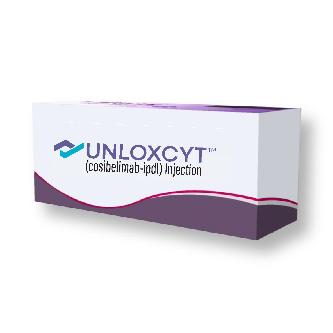
Cosibelimab is a new immune checkpoint inhibitor that belongs to the PD-L1 (programmed death ligand 1) monoclonal antibody class. It restores the anti-tumor function of T cells by blocking the binding between PD-L1 and PD-1. It has been used in Obtained approval from the US FDA in 2024 for the treatment of cutaneous squamous cell carcinoma that cannot be surgically removed or has metastasized (CSCC). As the clinical application of this drug increases, its side effects are gradually becoming more widely recognized. The following is a comprehensive explanation of its side effects from four aspects: common adverse reactions, immune-related side effects, severe toxic reactions, and monitoring and management.
1. Common mild to moderate adverse reactions
In clinical trials of Cosibelimab, most of the side effects reported more frequently by patients were in the mild to moderate range and were generally reversible. These adverse reactions mainly include: fatigue, rash, gastrointestinal symptoms, decreased appetite, headache, etc. For example, fatigue is one of the most common adverse events, occurring in about 25%-30% of patients, and usually does not affect the continuation of treatment; rash occurs in about 15%-20%The incidence may manifest as pruritic erythema, urticaria-like reaction or dry dermatitis; in the gastrointestinal tract, nausea, diarrhea and constipation are also common, accounting for about 10%-15%; in addition, patients may also suffer from mild anemia and thrombocytopenia.
Most of these side effects can be controlled through symptomatic and supportive treatment, such as proper rest, diet adjustment, use of antihistamines or topical emollients, etc., and generally there is no need to interrupt immunotherapy. However, patients are also reminded to report their physical reactions to the doctor in detail during treatment, so that the doctor can promptly determine whether there are drug-related side effects and handle them.
2. Immune-related side effects (irAEs)
As an immunological drug, Cosibelimab may cause a unique type of adverse reactions, namely "immune-related adverse events" (irAEs). These reactions are due to the activation of the immune system, which attacks its own normal tissues. Commonly affected systems include:
1.Endocrine system: The most common ones are thyroid dysfunction, including hypothyroidism (such as fatigue, chills, constipation) and hyperthyroidism (such as palpitations, insomnia, weight loss). Some patients may also develop hypophysitis or adrenal insufficiency;
2.Digestive system: immune enteritis and hepatitis, manifested by diarrhea, abdominal pain or elevated transaminases;
3.Skin system: immune skin inflammation, manifesting as large erythema, peeling and even severe itching;
4.Pulmonary: Although immune pneumonia is rare, once it occurs, the consequences are serious, and patients may suffer from dry cough, shortness of breath and even respiratory failure;
5.Kidney and nervous system: A few patients may develop immune nephritis or neuritis.
The incidence of irAEs is approximately 20%-25%, most of which are 1-2 (mild to moderate), but there are also 5%-10% of patients who will experience severe reactions grade 3 or above. In general, moderate to mild irAEs can be controlled by suspending the medication and supplementing with glucocorticoids. In severe cases, the medication needs to be permanently discontinued and immunosuppressants (such as methotrexate, cyclosporine, etc.) may be added.
3. Serious or rare adverse reactions
In addition to the common side effects mentioned above, Cosibelimab may also cause some less common but potentially life-threatening adverse reactions. For example:
1.Infusion reaction: Some patients experience reactions such as fever, chills, rash, facial flushing, and blood pressure changes during the infusion process. Although the incidence is low, it usually occurs during the first infusion, so it is recommended to pretreat appropriately before treatment and complete the infusion under hospital supervision;
2.Serious infection: Due to the regulation of the immune system, patients are prone to bacterial, viral, and fungal infections. Especially after hormone therapy with immune-related side effects, the risk of infection further increases;
3.Allergic reactions: Although rare, individual patients may have severe allergic reactions to this drug or its excipients, including laryngeal edema, bronchospasm and even anaphylactic shock;
4. Autoimmune disease triggers: Some patients with underlying autoimmune diseases may worsen after receiving treatment, such as systemic lupus erythematosus, rheumatoid arthritis, etc.
Therefore, before usingCosibelimab, doctors need to carefully evaluate the patient's medical history, comorbid diseases, medication background and other risk factors to prevent serious side effects.
4. Medication Management and Monitoring Suggestions
In order to ensure patient medication safety, it is recommended to adopt the following management strategies during treatment withCosibelimab:
1. Baseline examination: Before starting treatment, it is recommended to conduct a comprehensive blood test, including routine blood tests, liver and kidney function, electrolytes, thyroid function, blood sugar and inflammatory indicators;
2.Regular review: follow up every 2-4 weeks to monitor whether there are new symptoms or abnormal indicators, especially lung auscultation, skin observation, thyroid and liver function;
3. Early identification of adverse reactions: Once symptoms such as rash, cough, fever, diarrhea, fatigue, etc. occur, you should communicate with the attending doctor as soon as possible to promptly determine whether it is a drug-related reaction;
4.Multidisciplinary management: Severe side effects require joint management from multiple disciplines, such as immunology, endocrinology, dermatology and other interventional treatments.
In summary, Cosibelimab has demonstrated good efficacy and tolerability in the field of immunotherapy, and most side effects are controllable and reversible. However, possible immune-related toxicities and rare serious reactions still need to be paid close attention to. Scientific and standardized monitoring and intervention measures are the key to ensuring the safety of treatment and prolonging survival benefits. It is recommended that patients use it under the guidance of professional doctors and have regular follow-up visits to achieve the best balance between efficacy and safety.
Reference materials:https://www.drugs.com/
xa0
[ 免责声明 ] 本页面内容来自公开渠道(如FDA官网、Drugs官网、原研药厂官网等),仅供持有医疗专业资质的人员用于医学药学研究参考,不构成任何治疗建议或药品推荐。所涉药品可能未在中国大陆获批上市,不适用于中国境内销售和使用。如需治疗,请咨询正规医疗机构。本站不提供药品销售或代购服务。


