
.jpeg)
Comprehensive interpretation of the instructions for teclistamab and precautions for taking it
1. Drug introduction and mechanism of action
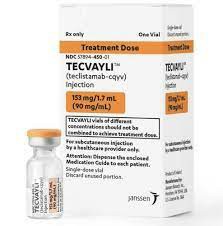
Teritusumab is an innovative bispecific T cell-engaging antibody (Bispecific T-cell Engager, BiTE), developed by Eli Lilly and Company. It is mainly used to treat patients with relapsed or refractory multiple myeloma. It can simultaneously bind to TCD3 molecules on the surface of T cells and BCMA on the surface of myeloma cells (B-cell maturation antigen), by tightly connecting T cells and tumor cells, activating T cells to release cytotoxic substances, killing myeloma cells, and achieving anti-tumor effects.
The unique dual-target design of Teritusumab makes it a breakthrough in the current field of multiple myeloma treatment, providing a new treatment option for refractory patients, especially for patients who have received multiple lines of treatment in the past and whose traditional therapies have shown poor results.
2. Indications and medication regimens
Territuzumab has been approved by regulatory agencies in multiple countries for the treatment of multiple myeloma patients who have received at least three or more lines of therapy, including proteasome inhibitors, immunomodulators and anti-CD38 monoclonal antibodies. Such patients often face treatment difficulties. As a new approach to immunotherapy, teritusumab has shown good efficacy and tolerability.
When taking medication, it is recommended to adopt a "gradient dosing" regimen to reduce the risk of cytokine release syndrome (CRS) and neurotoxicity. The usual dosing process is:
Give 0.06mg/kg on day 1,
Give 0.3 mg/kg on day 4,
Give 1.5mg/kg on day 7,
The above doses are all subcutaneous injections. After completing the gradient dosing, enter the maintenance phase, usually 1.5 mg/kg once a week. If the patient's condition is stable and complete remission is achieved, the dosing interval can be adjusted to once every two weeks based on the physician's evaluation.
3. Safety and major adverse reactions
The main adverse reactions of teritusumab focus on immune activation-related reactions, especially cytokine release syndrome (CRS) and neurotoxicity (such as immune-related encephalopathy symptoms). CRS manifests as fever, chills, fatigue, hypotension, etc., with a high incidence rate, most of which are grade 1-2 and severe cases are rare. Manifestations of neurotoxicity include disturbance of consciousness, headache, speech impairment, etc., which also require close monitoring.
In order to use the drug safely, it is recommended that patients should be closely observed in medical institutions for at least 48 hours during the initial administration and gradient administration to identify and deal with adverse reactions in a timely manner. Hospitals should be equipped with corresponding rescue equipment and symptomatic drugs, such as tocilizumab (anti-IL-6 receptor antibody) and glucocorticoids.
Other common adverse reactions include infections (especially respiratory infections), anemia, neutropenia, thrombocytopenia, injection site reactions, nausea, fatigue, etc. During use, blood routine and liver and kidney functions need to be checked regularly to detect abnormalities in time and adjust the treatment plan.
4. Precautions for use and patient management
1.Pretreatment and monitoring
Before taking the drug, pretreatment drugs, usually including dexamethasone, antihistamines and antipyretic analgesics, need to be given to reduce the risk ofCRS and allergic reactions. During the first dose and gradient dose, patients should be hospitalized for observation to facilitate timely response to sudden reactions.
2.Infection Protection
Immunosuppression and hypoimmunoglobulinemia may lead to an increased risk of infection. Patients should take infection prevention precautions and receive antiviral, antifungal, and antibacterial prophylaxis when necessary. Maintain good personal hygiene and avoid contact with sources of infection.
3.Identification of adverse reactions and prompt medical treatment
Patients and their families should be familiar withCRS and neurotoxic symptoms. If fever, difficulty breathing, changes in consciousness, abnormal behavior, etc. occur, they should seek medical attention immediately. Doctors can use tocilizumab, glucocorticoids and other treatments depending on the severity of symptoms.
4.Regular follow-up and testing
During the treatment process, regular outpatient follow-up is required to monitor blood images, liver and kidney functions, immune indicators and myeloma burden indicators (such as M protein). Evaluate efficacy while promptly detecting and dealing with side effects.
5.Dose adjustment and discontinuation criteria
In case of serious adverse reactions, it may be necessary to suspend the medication or extend the dosing interval. Dose reduction is generally not recommended, and dosage adjustments must be made under the guidance of a professional physician. Discontinuation of medication must be carefully decided based on the condition and side effects.
5. Efficacy and clinical significance
KeyPhase IIMajesTEC-1The study showed that the overall response rate of teritolumab in patients with relapsed and refractory multiple myeloma reached approximately< span>62%, the complete response rate exceeded 20%, and the median response maintenance time exceeded 20 months. Compared with traditional therapy, its treatment is faster and lasts longer.
As the first approved BCMA×CD3 bispecific antibody, teritusumab not only broadens the scope of bone The scope of myeloma immunotherapy also provides safe and convenient treatment options for more patients who cannot accept CAR-T therapy. In particular, its subcutaneous injection method is relatively simple and reduces the complexity of treatment.
Teritusumab, as an innovative immunotherapy for multiple myeloma, has become an important treatment for refractory patients with its unique bispecific mechanism and clinically significant efficacy. During medication, strict compliance with the gradient dosing regimen and monitoring requirements, and active prevention and treatment of adverse reactions are the keys to ensuring efficacy and safety. Patients should work closely with their doctors to reasonably manage the treatment process and strive for the best clinical benefit.
Reference materials:https://www.drugs.com/
[ 免责声明 ] 本页面内容来自公开渠道(如FDA官网、Drugs官网、原研药厂官网等),仅供持有医疗专业资质的人员用于医学药学研究参考,不构成任何治疗建议或药品推荐。所涉药品可能未在中国大陆获批上市,不适用于中国境内销售和使用。如需治疗,请咨询正规医疗机构。本站不提供药品销售或代购服务。


