
.jpeg)
Detailed explanation of the clinical effects and indications of baricitinib
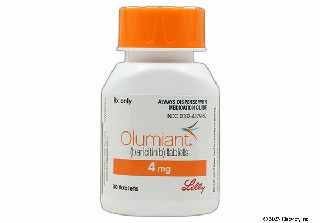
Baricitinib, also known as baricitinib, is an oral JAK inhibitor that mainly inhibits Janus kinase ( JAK1 and JAK2 in the JAK) signaling pathway interfere with the transmission of inflammatory factor signals, thereby achieving anti-inflammatory, immune regulation and other effects. The drug was jointly developed by Eli Lilly (Eli Lilly) and Incyte. It has been approved in many countries and regions and is used to treat a variety of autoimmune diseases and inflammation-related diseases with significant clinical efficacy. The following will provide a detailed analysis of its indications, clinical efficacy, safety and application prospects.
1. Main indications and applicable groups
1.Rheumatoid arthritis (RA)
Baricitinib was first approved for the treatment of moderately to severely active rheumatoid arthritis in adults with an inadequate response to or intolerance to one or more antirheumatic drugs (such as methotrexate). By blocking inflammatory cytokine signaling pathways, baricitinib can effectively reduce joint inflammation, delay joint structural destruction, and improve patients' mobility.
A number of clinical studies (such as RA-BEACON, RA-BUILD) have shown that baricitinib can It significantly improves disease activity score (DAS28) and ACR20/50/70 response rate, and its efficacy is no less than that of biological agents.
2.Atopic dermatitis (AD)
In2021, baricitinib was approved by the FDA and EMA for the treatment of moderate to severe atopic dermatitis in adult patients who have responded poorly to topical therapies or are not suitable for use. Studies have proven that it can effectively reduce typical symptoms such as itching, erythema, and skin cracks, and significantly improve patients' quality of life. Especially in refractory or chronic relapsing atopic dermatitis, baricitinib provides patients with a new treatment option.
3.Severe coronavirus pneumonia (COVID-19)
InCOVID-19During the pandemic, baricitinib was included in the treatment regimen for severe COVID-19 due to its dual mechanism (anti-inflammatory and antiviral). It can reduce lung inflammation, hospitalization time and mortality by inhibiting cytokine storm and blocking the mechanisms related to virus entry into host cells. The US FDA granted it emergency use authorization (EUA) in 2020, and was subsequently officially approved for use in combination with remdesivir or alone in hospitalized patients with severe COVID-19.
4.Alopecia Areata (Alopecia Areata)
In 2022, baricitinib became the world's first oral drug approved by the FDA for the treatment of moderate to severe alopecia areata. Its mechanism of action is to regulate the process of abnormally active T cells of the immune system attacking hair follicles, thereby promoting hair regeneration. The results of the III phase clinical trial showed that after 36 weeks of treatment, a large number of patients' hair density significantly improved, which is a major breakthrough in the current field of alopecia areata treatment.
2. Clinical efficacy and research data support
Baricitinib has shown good efficacy in multiple III phase clinical trials. For example, in the RA-BUILD study, baricitinib achieved a significantly higher ACR20 response rate at week 12 compared with placebo. In the BRAVE-AA1 and AA2 alopecia areata studies, more than 36% of patients achieved significant hair regrowth within 36 weeks. In the study of atopic dermatitis, the achievement rate of EASI-75 was significantly better than that of the placebo group, and the itching symptoms were significantly relieved in the first week.
In terms of COVID-19 treatment, according to the ACTT-2 study, the recovery time of hospitalized patients who were treated with baricitinib in combination with remdesivir was significantly shortened and the risk of death was reduced. The effect is especially obvious among patients who require high-flow oxygen or non-invasive ventilation.
3. Safety and common adverse reactions
The overall safety of baricitinib is good, and common adverse reactions include upper respiratory tract infection, headache, nausea, ALT/ASTelevated, etc. Some patients may experience leukopenia, elevated blood lipids or abnormal liver function during long-term use, and require regular monitoring of blood routine and liver and kidney function. Risks that are rare but require vigilance include deep vein thrombosis, pulmonary embolism and other thrombotic events. People with a history of thrombosis should use it with caution.
It is worth noting that baricitinib may increase the risk of opportunistic infections such as herpes zoster and pulmonary infection, so it is recommended to screen for potential infections (such as tuberculosis, hepatitis B) before treatment and maintain monitoring during treatment. Individualized assessment of medication risks is especially necessary for the elderly and immunocompromised patients.
4. Future development prospects and clinical exploration
With the widespread use of JAK inhibitors in rheumatology, dermatology and respiratory diseases, the indications of baricitinib are still expanding. There are currently studies exploring its potential in diseases such as systemic lupus erythematosus, psoriasis, and pulmonary fibrosis, and preliminary data show that it has certain efficacy. In addition, due to its oral convenience and broad-spectrum mechanism of action, baricitinib is gradually becoming a type of targeted drug "applicable to multiple diseases".
In the Chinese market, baricitinib has been officially approved for rheumatoid arthritis indications in recent years and has been included in the national medical insurance directory, allowing more patients to obtain this innovative therapy at a lower cost. In the future, as more domestic and foreign indications are approved, its market potential will be further released.
Baricitinib, as a JAK inhibitor with a clear mechanism of action and solid clinical evidence, has demonstrated significant efficacy and good tolerability in a variety of diseases such as rheumatoid arthritis, atopic dermatitis, severe COVID-19, and alopecia areata. As its indications continue to expand and the market gradually expands, baricitinib is bringing substantial changes to patients in multiple treatment areas. In the future, its role in the management of inflammatory diseases deserves continued attention and in-depth research.
Reference materials:https://www.drugs.com/
[ 免责声明 ] 本页面内容来自公开渠道(如FDA官网、Drugs官网、原研药厂官网等),仅供持有医疗专业资质的人员用于医学药学研究参考,不构成任何治疗建议或药品推荐。所涉药品可能未在中国大陆获批上市,不适用于中国境内销售和使用。如需治疗,请咨询正规医疗机构。本站不提供药品销售或代购服务。


