
.jpeg)
How effective is Mirdametinib in the treatment of neurofibromatosis type 1?
Mirdametinib is a selective MEK inhibitor that has shown significant potential in the treatment of neurofibromatosis type 1 (NF1)-related diseases in recent years. NF1 is a hereditary disease, mainly caused by mutations in the NF1 gene, which leads to the formation of benign tumors such as neurofibroma, seriously affects the patient's quality of life, and may even develop into malignant tumors. For this disease, midametinib brings new treatment hope to patients by inhibiting key signaling pathways.
First of all, the mechanism of action of midametinib deserves attention. As a MEK inhibitor, it mainly exerts an inhibitory effect on the MEK1 and MEK2 proteins in the MAPK/ERK signaling pathway. This pathway plays a key role in the process of cell proliferation and differentiation, and NF1 gene mutations will lead to the continued activation of Ras protein, further promoting the abnormal activity of the MAPK pathway, thereby triggering the formation of neurofibromas. Midametinib inhibits MEK, blocks the signal transmission chain, inhibits the abnormal proliferation and growth of tumor cells, and effectively controls tumor volume and symptoms.
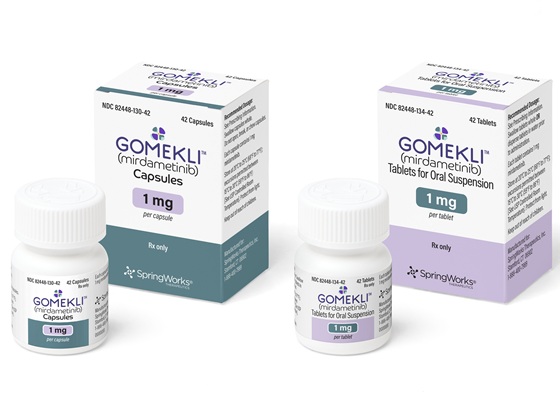
In terms of clinical studies, midametinib has shown encouraging efficacy in the treatment of NF1 related neurofibromas. Data from multiple clinical trials show that patients taking midametinib have significantly reduced tumor size and significantly alleviated pain and other symptoms. For example, a II phase clinical trial report showed that more than 50% of patients’ tumor size was reduced by at least 20%, and some patients achieved partial response (PR). The treatment effect is sustained and the safety is good. These data demonstrate the value of midametinib in improving patients' quality of life.
In addition, the safety and tolerability of midametinib were generally good. Common side effects include mild to moderate rash, diarrhea, fatigue, and muscle pain, and most patients tolerate and complete treatment. During the treatment process, doctors will adjust the dosage or take symptomatic measures according to the patient's specific conditions to reduce the impact of side effects. Long-term follow-up results also show that midametinib has less impact on normal tissues and has a wider safety margin, providing patients with a more durable treatment option.
In summary, midametinib, as an inhibitor targeting MEK, has demonstrated significant efficacy and good safety in the treatment of neurofibromatosis 1 type. It not only effectively controls tumor growth, alleviates patients' symptoms, but also improves their quality of life. With the continuous deepening of clinical research and the accumulation of data, midametinib is expected to become an important drug for the treatment of NF1 patients, especially neurofibromatosis, and bring good news to patients with this rare genetic disease. In the future, combination drug strategies combined with other treatments may further improve its clinical effect and push NF1 disease management to a new stage.
Reference materials:https://www.drugs.com/
[ 免责声明 ] 本页面内容来自公开渠道(如FDA官网、Drugs官网、原研药厂官网等),仅供持有医疗专业资质的人员用于医学药学研究参考,不构成任何治疗建议或药品推荐。所涉药品可能未在中国大陆获批上市,不适用于中国境内销售和使用。如需治疗,请咨询正规医疗机构。本站不提供药品销售或代购服务。


