
.jpeg)
Standard ways to eat tucatinib and common precautions when taking it
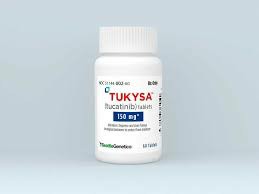
Tucatinib (also known as tucatinib in Chinese) is a new generation of selective HER2 inhibitor that is commonly used to treat HER2-positive breast cancer, especially in advanced patients who have developed brain metastases or are no longer sensitive to other anti-HER2 treatments. With the gradual popularity of tucatinib in international clinical practice, more and more patients are paying attention to its taking methods and precautions when using it. The correct medication method directly affects the efficacy and tolerability. Therefore, it is particularly important for patients to have an in-depth understanding of the standard way of taking tucatinib and related precautions. This article will combine the latest guidelines and clinical experience to provide you with a detailed introduction to the standard medication method and common medication precautions for tucatinib.
1. Standard administration method of tucatinib
1.Recommended dosage and frequency
The usual recommended dose of tucatinib is: 300mg each time, twice a day (once in the morning and once in the evening), taken with food. The specific dosage of each patient may be adjusted due to individual differences, liver function status, combined medication regimen, etc., and the doctor's prescription must be strictly followed.
2.It is recommended that the medication time be fixed
Tucatinib should be taken at roughly the same time every day, such as 8 o'clock in the morning and 8 o'clock in the evening, to maintain stable drug concentration in the body, improve efficacy and reduce side effects.
3.Do I need to fast?
Tucatinib can be taken with food, which can help reduce gastrointestinal discomfort. Patients do not need to fast, but should avoid taking it with a high-fat meal as this may affect the rate of drug absorption.
4. Position in combination treatment plan
Tucatinib is often used in combination with other drugs, such as trastuzumab (Herceptin) and capecitabine (Xeloda). In the combination regimen, the time and sequence of taking tucatinib should be strictly followed as prescribed by the doctor to avoid mutual interference between drugs.
2. Common medication precautions
1. Liver function monitoring cannot be ignored
Tucatinib may cause abnormal liver function, especially alanine aminotransferase (ALT) and aspartate aminotransferase (AST) were elevated. Therefore, it is recommended to monitor liver function every 2-4 weeks at the beginning of treatment and throughout the treatment process, especially in the first 3 months. If obvious abnormalities occur, the dose should be adjusted promptly or the medication should be discontinued.
2.Diarrhea is one of the common side effects
According toHER2CLIMB clinical research data, diarrhea is one of the most common adverse reactions in tucatinib treatment. If patients experience mild diarrhea, it can be relieved by adjusting their diet (reducing spicy, high-fat, and high-sugar foods) and using antidiarrheal drugs (such as loperamide). If the frequency of diarrhea increases, you should inform your doctor as soon as possible to avoid problems such as dehydration and electrolyte imbalance.
3.Be aware of interactions with other drugs
Tucatinib is a moderate inhibitor of CYP3A enzyme. When taking it, avoid taking it in combination with strong CYP3A inhibitors or inducers (such as ketoconazole, rifampicin) to avoid abnormal increase or decrease in drug concentration, affecting the therapeutic effect or increasing the risk of toxicity. It is recommended that patients inform their doctors about all medications and supplements they are taking while taking tucatinib.
4.Adjustment of medication for special populations
Patients with renal insufficiency: Patients with mild to moderate renal dysfunction can use tucatinib as usual, but patients with severe renal impairment or undergoing dialysis have less experience with the drug and should use it with caution.
Patients with poor hepatic function: Mild hepatic insufficiency can maintain the standard dose, while patients with moderate to severe hepatic impairment need to adjust the dose or use with caution.
Elderly: There is insufficient data to show that the efficacy and safety of the drug are different in the elderly, but it is recommended to strengthen monitoring during use.
3. How to deal with missed or incorrect doses
1.Handling of missed doses
If the patient misses a dose at the originally scheduled time, but there are still more than 8 hours before the next dose, a missed dose should be taken as soon as possible. If the missed dose is too long (less than 8 hours before taking the medicine again), skip this time and do not double the dose.
2.Accidental overdose
If you accidentally take more than the recommended dose at one time, you need to seek medical treatment as soon as possible. Before going to the hospital, you can record the specific dosage and time of missed use, so that the doctor can determine whether gastric lavage, activated charcoal, etc. are needed.
4. Life suggestions while taking medication
1.Maintain a regular schedule and balanced nutrition
Long-term targeted therapy requires a good physical foundation. It is recommended that patients maintain regular sleep, consume sufficient protein and vitamins, and improve the body's drug resistance.
2.Avoid tobacco, alcohol and stimulating food
Smoking and drinking may affect the activity of drug metabolizing enzymes, reduce the efficacy of tucatinib, and increase the risk of side effects. At the same time, stimulating foods can easily aggravate gastrointestinal discomfort and are recommended to be avoided.
3. Proper exercise can help improve immunity
If physical conditions permit, you can engage in light aerobic exercise, such as walking, yoga, etc., to enhance physical strength and immune function, and improve the overall quality of life.
5. Efficacy evaluation and regular follow-up visits
Tucatinib has significant clinical efficacy in the treatment of HER2 positive breast cancer, especially in patients with brain metastases, and has received special approval from the FDA and EMA. During the course of medication, it is recommended that patients undergo imaging examinations (such as CT or MRI) every 8-12 weeks to evaluate whether the tumor has shrunk or stabilized, and combined with changes in tumor markers (such as CA15-3) to dynamically understand the progression of the disease.
Tucatinib is an important breakthrough in the treatment ofHER2 positive breast cancer, and its efficacy has been confirmed in multiple large-scale studies around the world. However, the achievement of curative effect does not only rely on the drug itself, but also depends on the patient's correct use and daily life cooperation. Grasp the standard medication regimen, pay attention to your own symptoms, and conduct regular follow-up visits and monitoring, which will help improve the treatment effect, extend survival period, and improve the quality of life. If you have any discomfort or uncertainties while taking the medicine, please contact the attending doctor as soon as possible. Do not stop taking the medicine or adjust the dosage on your own.
Reference materials:https://www.drugs.com/
[ 免责声明 ] 本页面内容来自公开渠道(如FDA官网、Drugs官网、原研药厂官网等),仅供持有医疗专业资质的人员用于医学药学研究参考,不构成任何治疗建议或药品推荐。所涉药品可能未在中国大陆获批上市,不适用于中国境内销售和使用。如需治疗,请咨询正规医疗机构。本站不提供药品销售或代购服务。


