
.jpeg)
The remarkable efficacy of perampanel tablets in clinical practice
As a common chronic neurological disease, epilepsy brings great troubles to patients' lives. Traditional anti-epileptic drugs often have limited effectiveness in treating some complex cases. Perampanel tablets (Perampanel), as a new type of anti-epileptic drug, bring new hope to epilepsy patients.
Perampanel is a selective non-competitive AMPA receptor antagonist, mainly used to treat epileptic seizures, especially partial seizures (focal seizures) and generalized tonic-clonic seizures (GTCS). In 2012, it was first approved by the U.S. Food and Drug Administration (FDA). It was subsequently approved for use in many countries around the world, and was gradually included in epilepsy treatment guidelines, becoming an important player in the field of anti-epileptic treatment.
The unique mechanism of action of perampanel is a solid theoretical support for its efficacy. Abnormal firing of neurons in the brain is a key cause of epileptic seizures, in which glutamate-mediated excitatory neuronal signaling plays an important role. Perampanel precisely blocks glutamate-mediated excitatory nerve signal transmission by inhibiting the activity of AMPA receptors in the brain, thereby effectively reducing the occurrence of abnormal neuronal discharges. Unlike traditional sodium channel blockers or calcium channel blockers, perampanel acts on the glutamate neural pathway, opening up a new anti-epileptic mechanism. This unique mechanism allows it to be used in combination with a variety of traditional anti-epileptic drugs without cross-resistance, providing additional therapeutic options for patients with refractory epilepsy.
The pharmacokinetic characteristics of perampanel are also beneficial to the maintenance of efficacy. It is well absorbed orally and can quickly enter the blood circulation to exert its effects. Its half-life is long, about 105 hours, which means that patients only need to take it orally once a day to maintain a relatively stable blood concentration, reducing the trouble of frequent medication and greatly improving patient compliance. At the same time, the blood concentration of the drug fluctuates little, and it can continuously and stably exert its anti-epileptic effect, providing patients with a more reliable treatment guarantee.
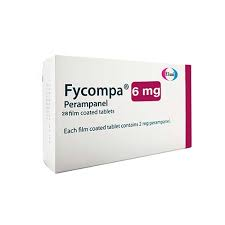
Multiple international large-scalePhase III clinical trials have fully confirmed the excellent efficacy of perampanel in controlling partial seizures. InStudy 304In this randomized controlled trial involving 706 patients with refractory epilepsy, patients who were given 4mg, 8mg and 12mgperampanel daily were compared with placebo. The results showed that the median frequency of seizures in the 12 mg dose group was reduced by 33% - 36% compared to only 17% in the placebo group. In the 8mg and 12mg groups, the proportion of responders with an attack reduction rate of 50% or above was as high as 33% - 38%, significantly better than the control group's 14%. This shows that perampanel can effectively reduce the frequency of partial seizures, and the higher the dose, the more obvious the effect, but it should also be noted that the risk of side effects will increase accordingly.
2015The Study 332 randomized phase III study published in "Lancet Neurology" evaluated the efficacy of perampanel in generalized ankylosis - Application in clonic seizures (GTCS). The patients included in the study were those aged 12 years and above who were diagnosed with primary generalized epilepsy. When the 8 mg dose was given daily, the average attack frequency was reduced by 76.5%, which was significantly better than the 38.4% rate in the placebo group. Nearly 64%of patients have reduced their seizure frequency by more than 50%, and some patients achieved complete seizure freedom during treatment. This study established the important role of perampanel in the treatment of generalized epilepsy, making it the first non-benzodiazepine AMPA antagonist approved for the treatment of generalized tonic-clonic seizures.
Initially, perampanel was limited to patients 12 years old and above, but as research progresses, its efficacy in children has gradually become clearer. A multicenter study involving children with epilepsy aged 4 years or older showed that the pharmacokinetics of perampanel in this group were similar to those in adults, with good efficacy and tolerability. The seizure control rate in the 8-12mg dose group was significantly higher than that in the low-dose group. Most children tolerated it well and the side effects were controllable. However, children are more sensitive to emotional side effects and need to strengthen behavioral monitoring. However, most parents reported that the number of seizures in children has been significantly reduced and the quality of life has been improved. At present, many countries in Europe and the United States have approved its use for the treatment of partial seizures in children aged 4 years and above, and clinical experience is continuing to accumulate.
Many patients with epilepsy require combined treatment with multiple drugs. The advantage of perampanel is also reflected in its complementarity with other anti-epileptic drugs. Studies have found that when used in combination with commonly used anti-epileptic drugs such as carbamazepine, lamotrigine, and levetiracetam, perampanel can further reduce seizure frequency, and no obvious pharmacodynamic antagonism was observed. After taking perampanel concomitantly, some patients can gradually reduce the dosage of other drugs to improve adverse drug reactions. For patients with refractory epilepsy who have failed to respond to multiple drugs, perampanel may be used as a treatment option“Rescue medicines” to increase the flexibility of treatment options. Clinical data shows that after the introduction of perampanel into a variety of AED combination regimens, the effective rate increases by 10% - 30%, making it a late-line treatment option worth considering.
Although perampanel shows good efficacy in the overall population, there are certain individual differences in its treatment response. The main influencing factors include whether the concomitant use of enzyme-inducing drugs, such as carbamazepine, phenytoin, etc., can reduce the concentration of perampanel, thus affecting the efficacy; in terms of age and gender, female patients may be more prone to adverse reactions due to their lighter body weight and different drug metabolism rates, so they need to pay attention to dosage adjustment. ; When patients are combined with mental disorders, some people with a history of mental illness are more sensitive to the emotional side effects of perampanel, which may affect long-term compliance; in terms of attack type and frequency, for patients with persistent and frequent attacks, it is difficult to control with a single drug, and perampanel needs to be used as part of a multi-drug regimen. Therefore, in clinical practice, it is necessary to reasonably evaluate the efficacy expectations of perampanel based on the patient's condition, medical history, and treatment goals, and dynamically adjust the plan.
Reference materials:https://www.drugs.com/mtm/perampanel.html
[ 免责声明 ] 本页面内容来自公开渠道(如FDA官网、Drugs官网、原研药厂官网等),仅供持有医疗专业资质的人员用于医学药学研究参考,不构成任何治疗建议或药品推荐。所涉药品可能未在中国大陆获批上市,不适用于中国境内销售和使用。如需治疗,请咨询正规医疗机构。本站不提供药品销售或代购服务。


