
.jpeg)
How effective is meloxicam and rizatriptan?
Meloxicam and rizatriptan is a combination drug used to treat acute attacks of migraine in adults. Its indications are clearly targeted at patients with migraine with or without aura. The drug works synergistically with ingredients from two different mechanisms to quickly relieve migraine symptoms and reduce inflammation. However, it is not indicated for the preventive treatment of migraines or the treatment of cluster headaches. For patients with a clear diagnosis of migraine, the drug provides a solution for acute attacks, but use restrictions must be strictly followed to ensure safe and targeted use.
From the mechanism of action, meloxicam is a non-steroidal anti-inflammatory drug (NSAID). It mainly reduces the synthesis of prostaglandins by inhibiting cyclooxygenase (COX-1 and COX-2), thereby exerting analgesic, anti-inflammatory and antipyretic effects. Prostaglandins are important mediators of inflammation and pain, and their reduction can help relieve the inflammatory response and pain associated with migraines. Rizatriptan is a 5-HT1B/1D receptor agonist that specifically acts on intracranial blood vessels and the trigeminal nervous system to relieve migraine attacks by constricting blood vessels and inhibiting the release of neuropeptides. The combination of these two ingredients allows the drug to intervene in the pathological process of migraine from different ways, and may theoretically have more comprehensive effects than single ingredient drugs.
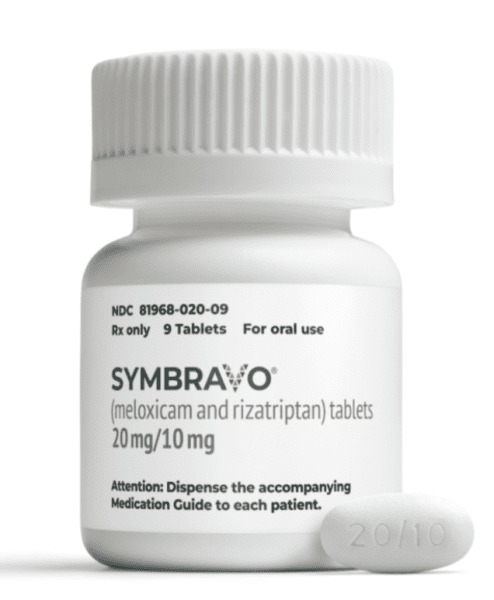
In terms of actual efficacy, meloxicam and rizatriptan combination tablets have been observed to be able to relieve the acute symptoms of migraine to a certain extent. Many patients have reported that it has a certain effect on reducing headaches and improving accompanying symptoms (such as nausea, photophobia, etc.). However, specific effects may vary on an individual basis, with some patients taking longer to experience symptom relief, while others may experience significant improvements within a shorter period of time. It should be noted that the recommended dose of this drug is one tablet for each migraine attack and no more than one tablet per day. Excessive use may increase the risk of side effects and will not bring additional improvement in efficacy.
While the drug shows promise in treating migraines, its side effects cannot be ignored. Common adverse reactions may include dizziness, fatigue, nausea, etc., which are usually mild and short-lived. However, some patients may experience more serious reactions, such as cardiovascular events, hypertension, gastrointestinal discomfort, or allergic reactions. Particular caution is required for patients with a history of cardiovascular disease, liver and kidney dysfunction, or who are taking specific medications (e.g., anticoagulants, antihypertensives). In addition, the safety of use for special groups such as pregnant women, lactating women, the elderly and children is not yet clear, and the pros and cons need to be weighed under the guidance of a doctor.
In general, meloxicam and rizatriptan combination tablets provide a dual-mechanism treatment option for acute attacks of migraine. Its efficacy has been recognized by some patients, but individual differences and potential side effects need to be paid attention to. Patients should strictly follow medical instructions and pay attention to medication contraindications and precautions when using it to ensure the safety and effectiveness of treatment. For patients with poor efficacy or obvious side effects, they should consult a doctor in time to adjust the treatment plan.
Reference link:https://www.accessdata.fda.gov/drugsatfda_docs/label/2025/215431s000lbl.pdf
[ 免责声明 ] 本页面内容来自公开渠道(如FDA官网、Drugs官网、原研药厂官网等),仅供持有医疗专业资质的人员用于医学药学研究参考,不构成任何治疗建议或药品推荐。所涉药品可能未在中国大陆获批上市,不适用于中国境内销售和使用。如需治疗,请咨询正规医疗机构。本站不提供药品销售或代购服务。


