
.jpeg)
Modafinil’s pharmacological mechanism of action and basic information
Modafinil is a drug widely used in the treatment of specific sleep disorders. It has a unique pharmacological mechanism of action and rich basic information.
From the perspective of pharmacological mechanism of action, the specific mechanism by which modafinil promotes wakefulness is not completely clear. Although its pharmacological effects are not the same as those of sympathomimetic amines, it has wake-promoting effects similar to those of sympathomimetic agents (such as amphetamine and methylphenidate). It can act on the central nervous system to regulate the release and activity of neurotransmitters, thereby improving the patient's arousal state, helping patients stay awake during the day, reducing the tendency to doze during the day, and restoring the normal sleep cycle.
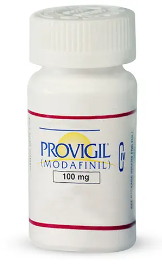
In terms of basic information, the drug name of modafinil isPROVIGIL. It is available in two specifications: 100mg30 tablets and 200mg30 tablets, with a validity period of 3 years. The original pharmaceutical manufacturer is Cephalon, Inc., which is produced in the United States. Currently, the drug was approved for marketing in the United States on 1998-12-24 and in the European Union in 1992. However, it has not yet been approved for marketing in China. There are also Indian versions of generic drugs on the market overseas.
Modafinil is indicated primarily for improving arousal in adults with excessive sleepiness associated with narcolepsy, obstructive sleep apnea (OSA), or shift work disorder (SWD). For different indications, the methods of use are different. In obstructive sleep apnea, it is used to treat excessive sleepiness rather than to treat the underlying obstruction; in patients with narcolepsy and obstructive sleep apnea, 200 mg once daily, orally, once daily Take it every morning; for patients with shift work disorder, take 200 mg once a day, 1 time a day, about 1 hour before each shift.
However, modafinil is not suitable for everyone and it is contraindicated in patients with known hypersensitivity to this product or to armodafinil. At the same time, special groups such as pregnant women, lactating women, and pediatric patients need to carefully weigh the pros and cons when using it. Moreover, during use, patients may experience adverse reactions such as headache, nausea, nervousness, etc., and even severe rashes in severe cases.
Reference link:https://www.accessdata.fda.gov/drugsatfda_docs/label/2015/020717s037s038lbl.pdf
[ 免责声明 ] 本页面内容来自公开渠道(如FDA官网、Drugs官网、原研药厂官网等),仅供持有医疗专业资质的人员用于医学药学研究参考,不构成任何治疗建议或药品推荐。所涉药品可能未在中国大陆获批上市,不适用于中国境内销售和使用。如需治疗,请咨询正规医疗机构。本站不提供药品销售或代购服务。


