
.jpeg)
Omalizumab drug introduction and global launch overview
Omalizumab is a humanized monoclonal antibody that mainly binds to immunoglobulinE (IgE ) binds and blocks its binding to the high-affinity receptor (FcεRI), thereby inhibiting the cascade of allergic reactions. It was originally developed for the treatment of moderate to severe persistent allergic asthma, particularly in patients who are refractory to inhaled corticosteroids. In addition, omalizumab is also approved for the treatment of chronic spontaneous urticaria, which is particularly effective for patients who have not responded to traditional antihistamines.
The drug was jointly developed by Novartis and Genentech. It was first approved by the FDA in the United States in 2003 and was subsequently launched in Europe, Canada, Japan, Australia and other countries and regions. With the gradual expansion of its indications, omalizumab has become an important drug in the treatment of some refractory allergic diseases. The drug has been widely used in the market around the world, especially in developed countries in Europe and the United States. It has been widely included in treatment guidelines and has become one of the standard treatment options.
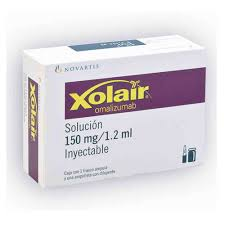
In mainland China, omalizumab was approved by the State Food and Drug Administration in 2018 for the treatment of moderate to severe allergic asthma in adults and adolescents 12 years old and above. Later, in 2021, it was further approved for the treatment of chronic spontaneous urticaria in patients 12 years old and above. At present, the drug has been included in China's medical insurance catalog, which has greatly eased the financial burden of patients, especially for patients with chronic diseases who require long-term medication.
Overall, omalizumab has established a good therapeutic reputation worldwide with its unique targeted anti-IgE mechanism. With the deepening of medical research, its indications are expected to be further expanded in the future, and diseases such as food allergies and nasal polyps are also undergoing relevant clinical trials. The success of its global launch not only proves its efficacy and safety, but also promotes the development of antibody-based allergy drugs, bringing new treatment options to more patients with allergic diseases.
Reference materials:https://www.drugs.com/
[ 免责声明 ] 本页面内容来自公开渠道(如FDA官网、Drugs官网、原研药厂官网等),仅供持有医疗专业资质的人员用于医学药学研究参考,不构成任何治疗建议或药品推荐。所涉药品可能未在中国大陆获批上市,不适用于中国境内销售和使用。如需治疗,请咨询正规医疗机构。本站不提供药品销售或代购服务。


