
.jpeg)
Does venetoclax require lifelong medication to treat leukemia?
Venetoclax is a BCL-2 inhibitor that is mainly used for the targeted treatment of hematological malignancies such as chronic lymphocytic leukemia (CLL) and acute myeloid leukemia (AML). It controls the disease by inducing programmed death of cancer cells and is one of the important breakthroughs in the field of leukemia treatment in recent years. Many patients are concerned about one question when starting venetoclax treatment: Do they need to take lifelong medication?
Whether venetoclax needs to be taken long-term or even lifelong depends on the type of leukemia, the progression of the disease, and the patient's response to the drug. Taking CLL as an example, when used in combination with obinutuzumab, the treatment cycle is generally a fixed 12 cycles (28 days per cycle), that is, a total of approximately 12 months. If deep remission is achieved, some patients can stop taking the drug and enter the observation phase without lifelong medication. For specific groups, such as patients with TP53 mutations or high-risk patients who are intolerant to immunochemotherapy, the treatment course may be adjusted, and doctors will flexibly evaluate whether to extend the medication based on efficacy and adverse reactions.
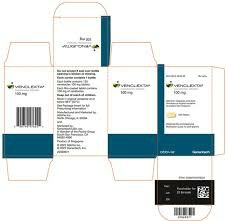
In the treatment of acute myeloid leukemia (AML), venetoclax is usually used in combination with azacitidine, decitabine or low-dose cytarabine, with a longer course of treatment and no fixed discontinuation time point. Whether to terminate treatment needs to be dynamically evaluated based on factors such as bone marrow remission, white blood cell indicators, patient's overall status, and whether drug resistance or side effects occur. Some AML patients may need maintenance medication for a longer period of time or even long-term medication due to easy relapse and other reasons.
Although venetoclax does not have to be taken for life like some targeted drugs, in the treatment of hematomas, the risk of molecular recurrence remains once the drug is stopped, so regular monitoring and follow-up are crucial. If the patient achieves molecular complete remission, the doctor may recommend gradually reducing the drug, discontinuing the drug, or entering a maintenance phase. It should be emphasized that stopping or delaying medication without authorization may lead to disease progression and must be managed strictly under the guidance of a doctor.
Reference materials:https://www.venclexta.com/
[ 免责声明 ] 本页面内容来自公开渠道(如FDA官网、Drugs官网、原研药厂官网等),仅供持有医疗专业资质的人员用于医学药学研究参考,不构成任何治疗建议或药品推荐。所涉药品可能未在中国大陆获批上市,不适用于中国境内销售和使用。如需治疗,请咨询正规医疗机构。本站不提供药品销售或代购服务。


