
.jpeg)
What kind of drug is riflimab? Is it targeted or immunotherapy?
Retifanlimab is a cutting-edge immunotherapy drug that belongs to the anti-PD-1 (programmed death receptor-1) monoclonal antibody class and is one of the important members in the current field of immunotherapy. The drug blocks the immunosuppressive signals released by tumor cells and restores the killing ability of T cells, thereby activating the body's immune system to recognize and eliminate malignant cells. Unlike traditional chemotherapy or radiotherapy, Riflimab does not directly kill cancer cells, but indirectly achieves anti-cancer effects by mobilizing the body's immune defense mechanism. It is a typical representative of immune checkpoint inhibitors.
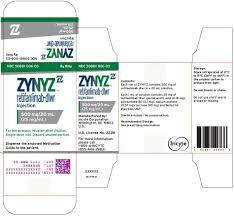
Retifanlimab was initially approved to treat Merkel cell carcinoma (MCC), a rare but aggressive form of skin cancer. According to the FDA approval document, Riflimab is suitable for immunotherapy of metastatic or locally advanced and recurrent MCC in adult patients, especially providing a new option for patient groups in which traditional treatments are ineffective. In addition, the drug has been approved in combination with chemotherapy regimen (carboplatin + paclitaxel) for inoperable recurrent or metastatic squamous cell carcinoma of the anal canal (SCAC). This combination regimen improves the treatment response rate and broadens the application scope of immunotherapy in rare tumors.
From a classification point of view, Riflimab does not fall into the category of targeted drugs. Targeted therapy mainly achieves anti-tumor purposes by inhibiting specific gene mutations or signaling pathways, such asEGFR inhibitors, ALK inhibitors, etc., while PD-1 antibodies act on immune checkpoints on the surface of T cells to relieve the immunosuppressive state. Therefore, its fundamental mechanism of action is more in line with the definition of "immunotherapy".
Globally, Riflimab is classified as a PD-1 drug along with nivolumab (Opdivo) and pembrolizumab (Keytruda), but its indications are more focused on unpopular tumor types or with many treatment gaps. As clinical trials continue to expand, it may show potential in more solid tumors and combination therapies in the future.
Reference materials:https://www.drugs.com/mtm/retifanlimab.html
[ 免责声明 ] 本页面内容来自公开渠道(如FDA官网、Drugs官网、原研药厂官网等),仅供持有医疗专业资质的人员用于医学药学研究参考,不构成任何治疗建议或药品推荐。所涉药品可能未在中国大陆获批上市,不适用于中国境内销售和使用。如需治疗,请咨询正规医疗机构。本站不提供药品销售或代购服务。


