
.jpeg)
Recommended usage and precautions in Inavolisib instructions
Inavolisib (Inavolisib) is a new type of oral selective PI3Kα inhibitor, mainly used to treat endocrine resistance, PIK3CAPIK3CA Patients with locally advanced or metastatic breast cancer who have hormone receptor-positive (HR+) and HER2-negative gene mutations. The drug was approved by the US FDA in 2024, marking an important breakthrough in PI3K pathway targeted therapy in breast cancer. The development and marketing of inalised has brought new treatment hope to patients, and its usage, dosage and safety precautions have become key clinical and patient concerns. This article will introduce in detail the clinical use specifications and safety management of inalisate from the aspects of recommended drug usage, dosage adjustment, common adverse reactions and precautions.
The standard usage of inaliset is oral administration once a day. The recommended dose is 9mg. Patients can choose to take it before or after meals according to their personal habits. This dose is determined based on clinical trial data and can control side effects within an acceptable range while ensuring the efficacy of the drug. During treatment, patients should maintain regular medication and are not allowed to stop medication or adjust the dosage on their own. Unless serious adverse reactions occur or adjustment is required as assessed by a physician, treatment should be continued until disease progression or intolerable toxicity occurs. In addition, inaliset is often used in combination with other endocrine therapy drugs, such as the CDK4/6 inhibitor palbociclib (Palbociclib) and the estrogen receptor antagonist fulvestrant (Fulvestrant) to enhance the therapeutic effect.
In terms of dose adjustment, Inalise has developed a phased adjustment plan for possible adverse reactions in patients. If a patient experiences moderate or severe toxic reactions, it is preferred to reduce the daily dose from 9 mg to 6 mg. If the symptoms are not relieved or toxic reactions occur again, the dose can be further reduced to 3 mg. If the patient still cannot tolerate it, permanent discontinuation of the drug should be considered. This adjustment strategy aims to balance drug efficacy and safety to ensure maximum patient benefit while reducing the risk of serious adverse events. During the period of medication, patients should regularly review relevant biochemical indicators, such as blood sugar levels, liver and kidney functions, etc., to detect abnormalities in a timely manner and adjust the dosage.
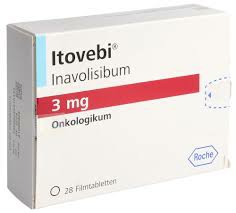
Common adverse reactions of inaliside include hyperglycemia, oral ulcersburitis, diarrhea, fatigue and rash, etc. Among them, hyperglycemia is a common side effect of PI3K inhibitor drugs, and some patients may develop diabetic ketoacidosis, which is a higher risk. Therefore, the patient's blood sugar and glycosylated hemoglobin levels should be assessed before treatment, and those with a history of diabetes need to strengthen blood sugar management and monitoring. Stomatitis manifests as oral mucosal inflammation and ulcers. Patients should pay attention to oral hygiene, avoid irritating foods, and use local analgesics if necessary. Diarrhea is another common reaction. Patients should replenish fluids to avoid dehydration and use antidiarrheal drugs if necessary. In response to these adverse reactions, clinical methods usually combine prevention and symptomatic treatment to ensure patients' quality of life.
In addition, inaliside has clear embryotoxicity and is contraindicated in pregnant women. During treatment and for at least one week after stopping the drug, both male and female patients should take effective contraceptive measures to avoid pregnancy. If pregnancy occurs during treatment, stop taking the medication immediately and consult a doctor. The safety and dosage adjustment scheme of this drug for patients with liver and kidney dysfunction require further study. It should be used with caution and under the guidance of a professional doctor. Patients should also avoid co-administration with strong CYP3A4 inhibitors or inducers to avoid affecting drug metabolism, resulting in increased toxicity or reduced efficacy.
In terms of storage, Inarisep should be placed in a dry place at room temperature, away from direct sunlight and high temperature and humidity. Patients should strictly follow the doctor's instructions when taking the medicine. If they miss a dose, they should not take it by themselves. They can just take it according to the next medication time. Drug packaging should be well sealed to prevent moisture or deterioration. Clinicians and pharmacists should provide patients with adequate medication education to ensure that they understand the characteristics, usage, dosage, and potential risks of the medication, and promote safe and rational medication use.
In short, as an innovative drug targeting the PI3Kα pathway, inaliset, with its precise mechanism of action and good clinical efficacy, has brought new treatment options to PIK3CA mutation-positive breast cancer patients. Standardizing usage and dosage adjustment, scientific management of adverse reactions, and strict compliance with precautions are the keys to ensuring successful treatment and quality of life for patients. In the future, with the accumulation of more clinical data, the indications and medication guidance of inalise will be further improved to provide more patients with effective targeted treatment options.
Reference materials:https://www.drugs.com/
[ 免责声明 ] 本页面内容来自公开渠道(如FDA官网、Drugs官网、原研药厂官网等),仅供持有医疗专业资质的人员用于医学药学研究参考,不构成任何治疗建议或药品推荐。所涉药品可能未在中国大陆获批上市,不适用于中国境内销售和使用。如需治疗,请咨询正规医疗机构。本站不提供药品销售或代购服务。


