
.jpeg)
What does the official instructions for Zenocutuzumab contain?
Zenocutuzumab (trade name: Bizengri) is a new bispecific antibody biological agent developed by the American Biopharmaceutical Company Merus. In December 202412, the U.S. Food and Drug Administration (FDA) based on eNRGy< /span>Clinical trial data, approval of its accelerated approval pathway for the treatment of patients with unresectable or metastatic non-small cell lung cancer (NSCLC) and pancreatic adenocarcinoma harboring NRG1 gene fusions. This drug provides the first targeted treatment option for NRG1 fusion tumors, which is a milestone.
1. Indications and Applicable Populations
According to the instructions, zetolizumab is suitable for the following people:
1.Patients with unresectable or metastatic solid tumors carryingNRG1 gene fusion;
2.Patients who have failed or are intolerant to previous standard systemic treatments, especially non-small cell lung cancer and pancreatic cancer;
3.Patients must undergo molecular testing to confirm the presence of NRG1 fusion mutations.
FDA's approval is based on data from Zenocutuzumab's clinical studies of eNRGy. The trial results showed that drug-induced overall remission in patients with NSCLC and pancreatic cancer who received treatment. The resolution rates reached 33% and 42% respectively. Some patients achieved complete remission or long-term remission, which has a good clinical prospect.
2. Drug ingredients and mechanism of action
Zetolizumab is a bispecific IgG1 monoclonal antibody with two specific targets: HER2 (human epidermal growth factor Long factor receptor2) and HER3 (human epidermal growth factor receptor3). Its unique structure confers the following therapeutic mechanisms:
BlockHER3 from binding to its natural ligand NRG1, inhibiting the NRG1 fusion protein-driven HER2-HER3 dimer formation;
Then blockPI3K/AKT/mTOR and other growth-promoting signaling pathways to reduce the proliferation of tumor cells;
Enhance immune clearance of tumor cells through antibody-dependent cell-mediated cytotoxicity (ADCC) mechanism.
This targeting method allows zetolizumab to specifically inhibit the tumor signal transduction pathway triggered by NRG1 fusion, which not only improves the targeting of treatment, but also reduces the toxic effects on normal cells.
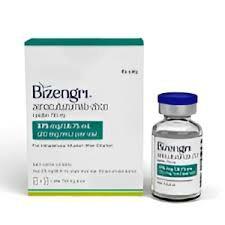
3. Dosage Specifications and Medication Methods
1.Recommended dose: 750mg, administered by intravenous injection, once every 14 days.
2.Infusion time: It is recommended that the initial infusion be controlled to at least 4 hours. If no serious infusion-related reactions occur, the subsequent infusion time can be shortened to 2 hours.
3.Dispensing instructions:
The drug needs to be diluted with a prescribed volume of normal saline;
It is prohibited to mix with other drugs for injection in the same bottle;
The prepared medicinal solution needs to be used within a certain period of time or stored in a refrigerator.
4.Preventive measures: It is recommended to use anti-allergic drugs (such as antihistamines), antipyretic analgesics (such as acetaminophen) and corticosteroids before the first dose of infusion to prevent or reduce infusion-related adverse reactions.
4. Safety and adverse reactions
Zetolizumab is generally well tolerated, but some adverse reactions have been observed in clinical studies, including:
1.Infusion-related reactions: about10%Patients develop low-grade fever, chills, nausea, rash, etc., usually during the first or first few infusions;
2.Gastrointestinal symptoms: such as nausea, diarrhea, constipation, abdominal pain, etc.;
3.Fatigue and musculoskeletal discomfort: Some patients report fatigue and joint pain;
4.Abnormal laboratory indicators: including mild elevation of liver enzymes, electrolyte disorders (such as low magnesium, low sodium), decreased white blood cell or platelet count, etc.
5.Severe adverse reactions require focused monitoring:
Interstitial pneumonia: Individual patients develop pulmonary inflammation related to treatment. If dyspnea, cough or lung shadow occurs, the drug should be discontinued in time;
6.Suppression of cardiac function: may affect left ventricular ejection fraction (LVEF), patients with basic cardiac diseases should pay special attention;
7.Embryotoxicity: Animal experiments show that zetolizumab has fetal toxicity, so it is contraindicated during pregnancy and should also be avoided during lactation.
5. Medication and drug interactions for special populations
1.Pregnant and lactating women: Zetolizumab may have teratogenic or lethal effects on the fetus. Effective contraceptive measures must be taken and contraception must be maintained for at least 3 months after stopping treatment.
2. Patients with abnormal liver and kidney function: There are no clear recommendations for dose adjustment, but use with caution and close monitoring is required.
3.Children and the elderly: There is currently insufficient data to support its safety and effectiveness in patients under 18 years old; no significant differences were observed in elderly patients, but individualized evaluation is recommended considering concomitant medication and changes in organ function.
4.Drug interactions: Since zetolizumab is a protein biologic drug, it theoretically has no direct conflict with the metabolic pathways of small molecule drugs, but it is not recommended to be used in combination with other immunosuppressive drugs to avoid affecting the clearance of the immune mechanism.
Zenocutuzumab (Zenocutuzumab), as an innovative dual-antibody drug targeting NRG1 gene fusion tumors, is an important breakthrough in precision medicine, especially for patients with rare solid tumors with limited treatment options (such as NRG1 fusion lung cancer and pancreatic cancer). The content of the instructions fully reflects the scientific nature and clinical rigor of individualized medication: there are clear guidelines from target screening, dosing, pretreatment measures to adverse reaction monitoring.
Although the drug is currently relatively expensive and is still in the early stages of marketing after accelerated approval, with the advancement of global multi-center research, its indications are expected to be expanded to more types of solid tumors in the future. For patients who are unable to purchase the drug directly in China, they can use zetolizumab safely and rationally under the guidance of professional doctors through overseas authorized pharmacies or cross-border medical treatment.
Reference materials:https://www.drugs.com/
[ 免责声明 ] 本页面内容来自公开渠道(如FDA官网、Drugs官网、原研药厂官网等),仅供持有医疗专业资质的人员用于医学药学研究参考,不构成任何治疗建议或药品推荐。所涉药品可能未在中国大陆获批上市,不适用于中国境内销售和使用。如需治疗,请咨询正规医疗机构。本站不提供药品销售或代购服务。


