
.jpeg)
Nilotinib (Nilotinib) Drug Instructions Contents, Usage and Dosage
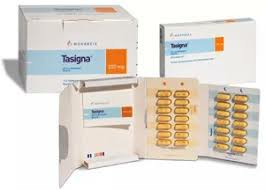
Nilotinib (Nilotinib) is an oral second-generation BCR-ABLtyrosine kinase inhibitor (TKI), with the trade name Tasigna, developed by Novartis (Novartis). This drug is specifically indicated for the treatment of patients with **Philadelphiachromosome-positive (Ph+) chronic myelogenous leukemia (CML) **, especially if they are resistant or intolerant to imatinib (Imatinib). Since being approved by the FDA in 2007, nilotinib has been widely used around the world and is one of the important drugs for the treatment of chronic or accelerated Ph+ CML. The following is the core content of the drug's instructions, including pharmacological effects, indications, usage and dosage, precautions, etc.
1. Drug ingredients and mechanism of action
The active ingredient of Nilotinib isNilotinib hydrochloride monohydrate, which is a highly selective inhibitor targeting the BCR-ABL fusion protein. It inhibits the proliferation of leukemia cells by competitively inhibiting the ATP binding site and blocking the kinase activity of BCR-ABL. Compared with the first generation TKI (such as imatinib), nilotinib has stronger inhibitory ability against BCR-ABL mutants, especially against imatinib-resistant mutants (except T315I).
2. Scope of indications
According to the current labeling, nilotinib is indicated for the following patient groups:
For the treatment of Ph+chronic or accelerated phaseCML adult patients who have failed or are intolerant to imatinib;
As one of the first choices for the initial treatment ofPh+chronic phaseCML;
In some countries and regions, it is also approved for use in children or adolescentsCML patients. The dose needs to be adjusted according to the body surface area.
3. Recommended usage and dosage
Nilotinib is an oral preparation, with common specifications of 150mg and 200mg capsules. The medication should be taken strictly in accordance with the doctor's prescription. The recommended dosage is as follows:
1. Chronic phaseCMLAdult patients (initial treatment)
Recommended dosage: 300mg each time, 2 times a day (total 600mg), with an interval of about 12 hours.
Take on an empty stomach: 1 hour before a meal or 2 hours after a meal. Avoid taking it with food to prevent excessive drug absorption and adverse reactions.
2. Patients with CML who have failed or are intolerant to imatinib treatment
Recommended dosage: 400mg each time, 2 times a day (total 800mg), also taken on an empty stomach.
If adverse reactions occur, such as bone marrow suppression, elevated liver enzymes, etc., the doctor may reduce the dosage to 300mg/ times, 200mg/ times or suspend the medication as appropriate.
3. Children and adolescent patients
The dose is calculated based on body surface area (BSA), and the recommended dose range is 230 mg/m² once, twice daily.
The maximum daily dose should not exceed the standard adult dose.
Note:
Capsules must not be broken or chewed and must be swallowed whole;
If you miss a dose and it is close to the next dose, skip it directly and do not take a double dose;
It is forbidden to use it with food and medicine such as grapefruit and St. John's wort to avoid affecting blood concentration.
4. Adverse reactions and monitoring recommendations
The more common adverse reactions of nilotinib include:
1.Hematology system: neutropenia, thrombocytopenia, anemia;
2.Cardiovascular system: QT interval is prolonged, which may cause arrhythmia in severe cases;
3. Metabolic abnormalities: elevated blood sugar, abnormal blood lipids;
4.Digestive system: nausea, vomiting, diarrhea, elevated liver enzymes;
5.Others: rash, fatigue, elevated creatinine, etc.
Monitoring recommendations:
Carry out electrocardiogram (ECG) regularly before medication and during treatment;
Monitor blood routine, liver and kidney function once every2 weeks;
It is recommended to check blood sugar, blood lipids and electrolyte levels on an empty stomach;
If QT interval is prolonged by more than 500ms, medication should be suspended and dealt with immediately.
5. Contraindications and people to use with caution
Taboo groups:
1.Those who are known to be allergic to nilotinib or its excipients;
2.Patients with a history of severeQT interval prolongation and arrhythmia;
3.Those who use it in combination with strong inhibitors or inducers of drug metabolizing enzymeCYP3A4 should carefully assess the risks.
People to use with caution:
1.Pregnant and lactating women: Animal studies indicate the presence of fetal toxicity and should be avoided during pregnancy;
2. Children and elderly patients need to evaluate their medication according to their individual conditions;
3.For patients with liver and kidney dysfunction, the dose should be adjusted or the medication interval should be extended.
6. Drug interactions
1.Nilotinib is mainly metabolized by the liverCYP3A4, and may interact with the following drugs when used at the same time:
2.CYP3A4Strong inhibitors (such as clarithromycin, ketoconazole) can increase plasma concentrations and increase the risk of QT prolongation;
3.CYP3A4Inducers (such as rifampicin, phenytoin) can reduce drug efficacy;
4.Antacids (such as proton pump inhibitors) may affect drug absorption and should be taken at intervals with nilotinib.
5. It is recommended that patients inform their doctors of all the drugs and health care products they are using so that the safety of the drugs can be reasonably evaluated.
As a second-generation TKI, nilotinib has shown good efficacy and drug-resistant mutation coverage in the treatment of chronic myelogenous leukemia, and has become an important alternative especially in patients who are ineffective or intolerant to imatinib. Its use requires strict medication instructions, including taking the medication on an empty stomach, taking it regularly, and closely monitoring side effects. At the same time, patients need to pay attention to the safety risks of the heart and blood system, and conduct relevant examinations regularly to ensure both efficacy and safety. Currently, nilotinib has been marketed in many countries and regions around the world and has been included in many CML treatment guidelines. It is one of the indispensable and important drugs in the management of chronic myelogenous leukemia.
Reference materials:https://www.drugs.com/
[ 免责声明 ] 本页面内容来自公开渠道(如FDA官网、Drugs官网、原研药厂官网等),仅供持有医疗专业资质的人员用于医学药学研究参考,不构成任何治疗建议或药品推荐。所涉药品可能未在中国大陆获批上市,不适用于中国境内销售和使用。如需治疗,请咨询正规医疗机构。本站不提供药品销售或代购服务。


