
.jpeg)
Analysis of the side effects and drug safety of Lenvatinib as a targeted drug
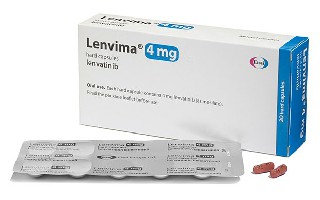
Lenvatinib, also known as lenvatinib, is a multi-target tyrosine kinase inhibitor (TKI) that is widely used to treat a variety of solid tumors, such as thyroid cancer, hepatocellular carcinoma, renal cell carcinoma and endometrial cancer. It inhibits multiple receptors closely related to tumor growth and angiogenesis (such as VEGFR, FGFR, PDGF R, RET, KIT, etc.), thereby preventing the expansion of cancer cells and the formation of new blood vessels, and achieving the purpose of inhibiting tumor development. As a targeted drug with significant effects, lenvatinib’s side effects and drug safety have also attracted clinical attention. This article will systematically analyze the safety issues of lenvatinib from four aspects: common adverse reactions, serious side effects, risk management, and patient medication recommendations.
1. Common side effects of lenvatinib
Lenvatinib, as a type of multi-target TKI, has many types of adverse reactions and a high frequency of occurrence. According to clinical research and actual medication experience, the most common side effects include:
1.Hypertension: This is one of the most common side effects during the use of lenvatinib, with the incidence rate reaching 40%-70%. The mechanism is mainly related to the inhibition of the VEGF signaling pathway, resulting in vascular endothelial dysfunction and vasoconstriction. Hypertension in most patients appears in the early stages of treatment, and blood pressure needs to be monitored closely and antihypertensive drugs should be used promptly.
2.Fatigue and fatigue: Most patients will experience varying degrees of fatigue after taking the drug, which affects daily life and physical activities, but it is usually mild to moderate and can be alleviated by adjusting the pace of life and improving nutritional status.
3.Proteinuria: Since targeting the VEGF pathway will affect the glomerular filtration function, some patients may experience an increase in urinary protein. In severe cases, the drug needs to be discontinued or the dosage reduced.
4.Loss of appetite, nausea, and diarrhea: Gastrointestinal reactions are also common adverse reactions, and some patients will suffer from weight loss, malnutrition and other problems.
5.Hypothyroidism: Due to the effect of drugs on thyroid tissue, some patients will develop hypothyroidism after long-term medication. It is necessary to regularly test thyroid function and provide replacement treatment when necessary.
2. Serious side effects and treatment strategies
In addition to common mild to moderate side effects, lenvatinib may also cause some more serious adverse reactions, so special vigilance is required:
1. Bleeding events: Especially in patients with liver cancer, factors such as poor liver function and tumor invasion of blood vessels put a high risk of gastrointestinal bleeding during the use of lenvatinib. Before taking medication, patients should be assessed for the presence of high-risk factors such as esophageal varices and liver insufficiency, and necessary intervention should be carried out.
2.Cardiotoxicity: including QT interval prolongation, decreased cardiac function, etc. Although these adverse reactions are uncommon, they may be life-threatening if they occur. Therefore, electrocardiogram and cardiac function tests should be performed regularly before medication and during treatment.
3.Liver function damage: Lenvatinib can cause ALT and AST to increase, and even induce liver failure in severe cases, especially in patients with poor basic liver function. More attention is needed.
4.Intestinal perforation and gastrointestinal fistula: In rare cases, especially in patients with tumors close to the digestive tract, serious complications such as intestinal perforation may occur. Therefore, timely treatment is required if persistent abdominal pain, bleeding, etc. occur.
3. Medication Safety and Dosage Management
In order to ensure the safety of medication, the dosage of lenvatinib needs to be adjusted according to the patient's specific condition, weight, liver and kidney function and other factors. For example:
1.The recommended starting dose for patients with thyroid cancer is 24mg/day;
2.The starting dose for liver cancer patients is set based on body weight, and body weight≥60kg is
3.Patients with endometrial cancer are usually given pembrolizumab in combination with the recommended dose of 20mg/day.
During treatment, if moderate to severe side effects occur (such as grade 3 hypertension, significant proteinuria, severe fatigue, etc.), the doctor may recommend suspending the medication, reducing the dose, or permanently discontinuing the medication. In clinical practice, many patients need to adjust the dose multiple times based on tolerance to achieve a balance between efficacy and side effects.
In addition, patients need to undergo a series of routine monitoring during the medication period, including blood pressure, urine routine, liver and kidney function, electrocardiogram, weight changes, etc. Especially in the initial stage of medication, follow-up visits should be made once a week, and can be extended to once a month after the condition stabilizes.
4. Patient medication recommendations and precautions
For patients taking lenvatinib, reasonable management of side effects and maintaining good compliance are the keys to ensuring efficacy. The following suggestions are for patients’ reference:
1.Monitor physical signs and laboratory indicators on a regular basis: such as blood pressure, urine protein, liver and kidney function, etc., and report any abnormalities to the doctor promptly.
2. Develop good living habits: avoid staying up late and mood swings, pay attention to balanced nutrition, and appropriate exercise can help relieve fatigue and digestive tract reactions.
3.Avoid random combination with other drugs: Lenvatinib may interact with certain drugs, such as strong CYP3A4 inducers / inhibitors. You should consult your doctor before use.
4. Discontinue the medication and seek medical attention promptly if severe discomfort occurs: If obvious uncontrollable high blood pressure, persistent diarrhea, dehydration, severe chest pain or palpitations, etc., should be dealt with in time, and avoid continuing to take it without authorization.
Lenvatinib, as a broad-spectrum targeted drug, has clear efficacy in the treatment of various malignant tumors. However, its side effects cannot be ignored, especially hypertension, proteinuria, abnormal liver function, etc., which require close cooperation between doctors and patients, regular monitoring and timely treatment. Reasonable dosage control and scientific management of adverse reactions are the keys to improving the safety of lenvatinib and prolonging survival benefits. In the future, with the accumulation of experience and optimization of combination treatment strategies, lenvatinib is expected to bring long-term benefits to more cancer patients.
Reference materials:https://www.drugs.com/
[ 免责声明 ] 本页面内容来自公开渠道(如FDA官网、Drugs官网、原研药厂官网等),仅供持有医疗专业资质的人员用于医学药学研究参考,不构成任何治疗建议或药品推荐。所涉药品可能未在中国大陆获批上市,不适用于中国境内销售和使用。如需治疗,请咨询正规医疗机构。本站不提供药品销售或代购服务。


