
.jpeg)
Whether and how long will it take for resistance to selumetinib to develop?
Selumetinib is a selective MEK1/2 inhibitor that is used to treat tumors caused by RAS/RAF mutations, such as neurofibromatosis type 1 (NF1)-related plexiform neurofibromas and certain types of thyroid cancer or melanoma. As a targeted drug, selumetinib inhibits tumor cell growth and proliferation by blocking the MAPK signaling pathway. However, like many other targeted therapies, selumetinib carries the risk of resistance during long-term use.
Generally speaking, patients may achieve better results when initially treated with selumetinib, especially in patients with clear gene targets. However, as the treatment time prolongs, some patients will gradually develop drug resistance. Clinical studies and actual medication feedback show that some patients may begin to develop drug resistance after taking medication for 6 months to 1 year, which can be manifested as lesions no longer shrinking or even growing again, as well as disease progression, etc.
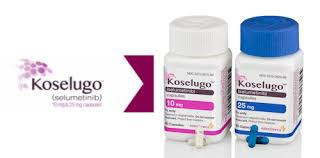
The reasons for drug resistance are complex and may include further evolution of target mutations, activation of alternative signaling pathways by tumor cells (such as the PI3K/AKT pathway), or adaptive responses of tumor cells to MEK inhibition. In addition, drug resistance may also be related to factors such as individual patient differences, changes in the tumor microenvironment, and inappropriate combination drug strategies. There are currently studies trying to combine selumetinib with other targeted drugs or chemotherapy drugs to delay or reverse the drug resistance process.
Therefore, for patients receiving selumetinib, it is recommended to undergo regular imaging evaluation and molecular testing to monitor disease changes and signs of drug resistance. Once resistance occurs, doctors can adjust the treatment plan according to the specific situation, such as changing to other target drugs, trying combination treatments, or adding clinical trial drugs. Although drug resistance is a common challenge in targeted therapy, it is still possible to prolong patient survival and improve quality of life through scientific management and personalized treatment.
Reference materials:https://www.drugs.com/
[ 免责声明 ] 本页面内容来自公开渠道(如FDA官网、Drugs官网、原研药厂官网等),仅供持有医疗专业资质的人员用于医学药学研究参考,不构成任何治疗建议或药品推荐。所涉药品可能未在中国大陆获批上市,不适用于中国境内销售和使用。如需治疗,请咨询正规医疗机构。本站不提供药品销售或代购服务。


