
.jpeg)
How to take Guanfacine for a more stable effect
Guanfacine is a selective α2A-adrenergic receptor agonist. It is mainly used clinically to treat attention deficit hyperactivity disorder (ADHD) and can also be used in patients with certain types of hypertension. Its mechanism of action in the nervous system is mainly by enhancing the signal transmission efficiency of the prefrontal cortex, thereby improving attention, behavioral impulsivity and hyperactivity symptoms. To make the therapeutic effect of guanfacine more stable, reasonable and standardized usage and dosage are crucial.
Inpatients under 18 years of age, the dosage of guanfacine needs to be individually adjusted based on body weight. For children weighing less than 50 kg, the recommended initial dose is 1 mg once daily, usually at a fixed time in the evening to reduce the side effects of daytime drowsiness. If the dose needs to be increased, each increment should not exceed 1 mg, and there should be at least 7 days between dose adjustments to observe the efficacy and tolerability of the drug. For patients whose weight is greater than or equal to 50 kilograms, you can consider starting from 2 mg once a day, and you must also follow the principle of gradually increasing the dosage. Under normal circumstances, doctors will decide whether to continue increasing the dose based on the patient's symptom control and the incidence of adverse reactions, and eventually reach a maintenance dose, usually between 2 and 4 mg per day.
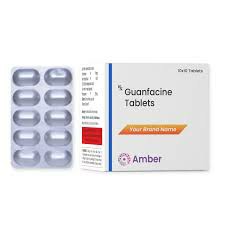
For adult patients18 years of age and older, the recommended starting dose is 2 mg once daily, preferably at night. The dosage increase process should also follow the principle of "low start, slow increase", that is, each dose increase should be separated by at least one week, with a maximum increase of 1 mg each time, and the maximum daily dose generally does not exceed 6 mg. A stable maintenance dose is usually achieved when 4 to 6 mg per day is reached. It is worth noting that adults' tolerance to guanfacine varies significantly between individuals. Therefore, it is not recommended to blindly pursue the maximum dose. Instead, the goal should be to control symptoms and ensure the stable effect of the drug.
To ensure sustained and stable efficacy, it is recommended to take guanfacine at the same time every day. It is best to swallow the tablet whole with water and do not break, chew or crush it. Especially for sustained-release tablets (such as Intuniv and other overseas versions), damaging the drug dosage form may affect its release mechanism, resulting in fluctuations in blood drug concentration and triggering excessive sedation or drug resistance reactions. Guanfacine has a long half-life, and it usually takes several days to stabilize at the effective blood concentration after taking it. Therefore, do not stop the drug or increase the dosage without authorization because the initial effect is not obvious. You should patiently adjust it gradually according to the doctor's advice.
In addition, sudden discontinuation of guanfacine should be avoided while taking the drug. Because it has a certain central nervous system regulatory effect, sudden arrest may cause rebound hypertension, anxiety, palpitations and other discomforts. If the drug needs to be stopped, the dose should be gradually reduced under the guidance of a doctor, and the amount of each reduction should not exceed 1 mg, with an interval of 5 to 7 days, to ensure that the body gradually adapts. For patients with long-term use, doctors may also recommend regular monitoring of physiological indicators such as blood pressure and heart rate, especially during the drug dose adjustment period, to prevent side effects such as hypotension, dizziness or bradycardia.
Reference materials:https://go.drugbank.com/drugs/DB01018
[ 免责声明 ] 本页面内容来自公开渠道(如FDA官网、Drugs官网、原研药厂官网等),仅供持有医疗专业资质的人员用于医学药学研究参考,不构成任何治疗建议或药品推荐。所涉药品可能未在中国大陆获批上市,不适用于中国境内销售和使用。如需治疗,请咨询正规医疗机构。本站不提供药品销售或代购服务。


