
.jpeg)
Are the side effects of Guanfacine serious?
Guanfacine is a central α2A adrenergic receptor agonist. It was originally used to treat hypertension. In recent years, its sustained-release preparations have also been widely used in the adjuvant treatment of attention deficit hyperactivity disorder (ADHD). Although guanfacine has clear clinical efficacy, many patients have expressed some concern about its side effects, especially when used for a long time or in children.
Common side effects of guanfacine include drowsiness, fatigue, dizziness, hypotension, slowed heart rate, and dry mouth. These reactions usually occur during the initial use of the drug or during the increase in dosage. Among them, drowsiness is one of the most common adverse reactions, which is more likely to occur in children or elderly patients, and may have an impact on learning and work efficiency. In addition, some patients may experience gastrointestinal discomfort, such as nausea, constipation or mild abdominal pain, but most symptoms are mild to moderate.
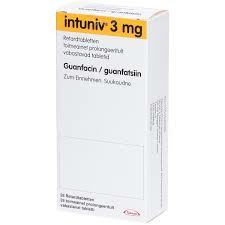
Less common but noteworthy side effects include significant hypotension or syncope, especially after exercise, standing suddenly, or when other antihypertensive drugs are used concomitantly. Therefore, doctors usually recommend that patients gradually increase or decrease the dose and regularly monitor blood pressure and heart rate to assess tolerance. In addition, some patients may experience neurological manifestations such as mood swings, irritability, or insomnia. Especially in the early stages of medication, they need to pay attention to psychological and behavioral changes.
Overall, the side effects of guanfacine are not extremely serious, but have certain individual differences and dose dependence. With reasonable use, most patients can gradually tolerate it. In order to reduce the incidence of adverse reactions, it is recommended that patients strictly follow the doctor's instructions when taking medication, avoid increasing or decreasing the dose on their own, and adjust their diet, work and rest to improve drug-related discomfort. If intolerable side effects occur, timely feedback should be provided to the doctor. If necessary, the treatment plan should be changed or the dose should be fine-tuned to ensure the safety and continuity of treatment.
Reference materials:https://go.drugbank.com/drugs/DB01018
[ 免责声明 ] 本页面内容来自公开渠道(如FDA官网、Drugs官网、原研药厂官网等),仅供持有医疗专业资质的人员用于医学药学研究参考,不构成任何治疗建议或药品推荐。所涉药品可能未在中国大陆获批上市,不适用于中国境内销售和使用。如需治疗,请咨询正规医疗机构。本站不提供药品销售或代购服务。


