
.jpeg)
Reasons for domestic ban on pirfenidone and alternatives
Pirfenidone, as an important oral anti-fibrotic drug for the treatment of idiopathic pulmonary fibrosis (IPF), once attracted market attention due to misinformation that it was "banned". In fact, the original drug pirfenidone has been approved by the National Medical Products Administration (NMPA) to be marketed in China, and has been included in the National Medical Insurance Drug Catalog as a Category B product, which can enjoy reimbursement policies if it meets specific indications and conditions. The common dosage form in the market is 100mg capsules, usually containing 54 capsules per box, and the price is about RMB 500.
The so-called "sales ban" is mainly due to shortages of drugs in some channels or adjustments in circulation links, and does not involve sales restrictions at the national level. Therefore, pirfenidone is still a legally prescribed and routinely supplied prescription drug in China.
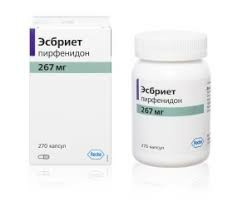
Even so, some patients are still interested in alternative treatment options, especially if they are intolerant to pirfenidone or have unsatisfactory efficacy. Currently, another drug approved for the treatment of IPF is nintedanib, a multi-target tyrosine kinase inhibitor that also has the effect of delaying the decline of lung function. Nintedanib has been launched in China and entered into medical insurance, becoming an important clinical alternative to pirfenidone.
In terms of individual treatment selection, doctors will formulate individualized plans based on the patient's condition, comorbidities, drug tolerance and other factors. Some studies have shown that the mechanisms of action of the two drugs are complementary, and under special circumstances it may even be possible to explore combination therapy. However, the current mainstream is still monotherapy to avoid superposition of adverse reactions. In addition, non-drug support measures such as oxygen therapy, pulmonary rehabilitation training, vaccination, etc. also play an important role in the long-term management of IPF. In summary, pirfenidone is not "banned" in China. Patients should rely on regular hospitals to obtain authoritative information. If the drug is not suitable, there are still reliable alternatives to choose from.
Reference materials:https://www.esbriet.com/
[ 免责声明 ] 本页面内容来自公开渠道(如FDA官网、Drugs官网、原研药厂官网等),仅供持有医疗专业资质的人员用于医学药学研究参考,不构成任何治疗建议或药品推荐。所涉药品可能未在中国大陆获批上市,不适用于中国境内销售和使用。如需治疗,请咨询正规医疗机构。本站不提供药品销售或代购服务。


