
.jpeg)
What diseases and clinical indications does fotantinib mainly treat?
Fostamatinib, also known as fostamatinib, is an oral spleen tyrosine kinase (SYK) inhibitor originally developed byRigel Pharmaceuticals was developed, and its clinical development was later jointly promoted by AstraZeneca and Rigel. Due to its unique mechanism of action, the drug shows broad therapeutic potential in multiple immune-related diseases and hematological diseases. Since being approved for marketing by the US FDA in 2018, fostatinib has become one of the important drug options for the treatment of certain refractory diseases.
1. The core mechanism of fostatinib: inhibiting the SYK pathway
The main target of fostatinib is splenic tyrosine kinase (SYK). SYK is a non-receptor tyrosine kinase that is widely present in B cells, macrophages, platelets and other immune-related cells, and participates in the regulation of multiple signaling pathways. SYK signaling plays a key role in a variety of immune responses, inflammatory responses, and autoimmune diseases. By inhibiting SYK, fostatinib can effectively block the activation of various cytokines and immune cells, thereby suppressing immune abnormalities and alleviating disease symptoms.
2. Approved indications for fostatinib: chronic immune thrombocytopenia (ITP)
The main approved indication for fostatinib globally is chronic immune thrombocytopenia (Immune Thrombocytopenia, ITP). ITPIt is a chronic bleeding disorder caused by the immune system attacking one's own platelets. Patients often present with symptoms such as ecchymoses, subcutaneous bleeding, and gum bleeding. In severe cases, life-threatening complications such as intracranial hemorrhage may even occur.
Fostatinib is indicated for adult patients with chronic ITP who have failed to respond to at least one prior treatment (such as glucocorticoids, immune globulin, or splenectomy). Its clinical studies (such as the FIT1 and FIT2 trials) show that fostatinib can significantly increase platelet counts, reduce bleeding events, and improve quality of life. About 18%-43% of patients can maintain a stable elevated platelet level after treatment, and the side effects are relatively controllable.
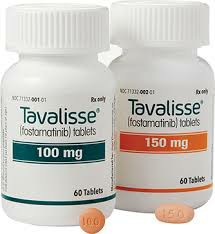
3. Expansion of potential indications for fostatinib
In addition toITP, fostatinib has also been studied and tried in multiple autoimmune and inflammatory diseases due to its immune regulatory mechanism:
1. Rheumatoid arthritis (Rheumatoid Arthritis, RA)
Fostatinib has been conducted in phase III clinical studies in rheumatoid arthritis. The data shows that it can improve arthritis symptoms and slow down the progression of the disease, especially in patients with poor response to methotrexate. However, due to comprehensive considerations of efficacy and market positioning, this indication has not yet been approved.
2. Autoimmune Hemolytic Anemia (Autoimmune Hemolytic Anemia, AIHA)
AIHA is a hemolytic disease caused by antibody-mediated destruction of red blood cells. Fostatinib is undergoing clinical studies to evaluate its effectiveness in reducing antibody-mediated red blood cell destruction through SYK inhibition. Preliminary research results are relatively optimistic, suggesting that it may become a treatment option for refractory AIHA in the future.
3. IgAKidney disease (IgA Nephropathy)
Fostatinib is also being explored forIgA nephropathy, a chronic glomerular disease caused by immune complex deposition. Researchers have found that the SYK pathway plays a key role in the inflammatory response of IgA nephropathy. Fostatinib may reduce glomerular inflammation and damage by inhibiting immune cell activity and mediator release. It is currently in clinical trials.
4. Severe inflammatory reaction caused by COVID-19 (such as ARDS)
During the COVID-19 pandemic, fostatinib was also used to study whether it could reduce the immune storm response in patients with severe COVID-19. Studies have shown that fostatinib may reduce acute lung injury and reduce inflammatory markers by blocking the immune cascade, but this type of use is still in the research and exploration stage and has not yet been approved.
4. Applicable groups and usage recommendations of fostatinib
Fostatinib is indicated for adult patients with chronic ITP who have not responded well to conventional treatments. The patient's liver function, blood pressure, white blood cell count and other immune indicators should be checked before use and continuously monitored during treatment. For patients with high blood pressure, abnormal liver function, and infection tendency, caution should be used when using it.
The medication is taken orally, 2 times a day. The common dose is 100mg, which can be adjusted to 150mg or reduced to 75mg based on efficacy and adverse reactions.
5. Common adverse reactions and management
Common side effects of fostatinib include hypertension, diarrhea, abnormal liver function, neutropenia, increased risk of infection, etc. Most side effects can be alleviated by adjusting the dose or symptomatic treatment. Patients should pay close attention to blood pressure changes and infection symptoms while taking the medication, and regularly review blood and liver function indicators.
Fostatinib is a representative SYK inhibitor. With its unique immune regulatory mechanism, it has become an important means of treating chronic ITP and shows broad prospects in a variety of immune and inflammatory diseases. With the deepening of more clinical research, its indications are expected to be further expanded to the fields of AIHA, IgA kidney disease and even more complex autoimmune diseases. For clinicians and patients, the advent of fostatinib not only broadens treatment options, but also improves the ability to control intractable diseases, marking the arrival of a new era of precision immunotherapy.
Reference materials:https://www.drugs.com/
[ 免责声明 ] 本页面内容来自公开渠道(如FDA官网、Drugs官网、原研药厂官网等),仅供持有医疗专业资质的人员用于医学药学研究参考,不构成任何治疗建议或药品推荐。所涉药品可能未在中国大陆获批上市,不适用于中国境内销售和使用。如需治疗,请咨询正规医疗机构。本站不提供药品销售或代购服务。


