
.jpeg)
Enzalutamide (enzalutamide) vs abiraterone, which one is more effective?
Enzalutamide and abiraterone are two very important new oral androgen pathway inhibitor drugs in the current treatment of prostate cancer. , widely used in disease stages such as castration-resistant prostate cancer (CRPC) and metastatic hormone-sensitive prostate cancer (mHSPC). The two are often compared clinically, and many patients often ask when making a choice: Which one is more effective? This article will comprehensively analyze the differences between enzalutamide and abiraterone in terms of drug mechanism, efficacy comparison, side effects, safety, and applicable groups to help patients better understand and choose.
1. Different mechanisms of action: one blocks receptors and the other inhibits synthesis
Enzalutamide is an androgen receptor (AR) inhibitor, which effectively interrupts the stimulation of prostate cancer cells by androgens by blocking the binding of androgens to their receptors and interfering with the transport of the receptors to the nucleus and their binding to DNA. This method is a direct intervention in the "terminal" link of androgen action.
Abiraterone is aCYP17 enzyme inhibitor that reduces androgen levels in the body by inhibiting the synthesis of androgens in the adrenal glands, testicles and tumor tissues. However, because it acts on the synthesis link, it is often necessary to combine small doses of prednisone to deal with side effects such as electrolyte imbalance caused by elevated aldosterone.
In summary, enzalutamide is "blocking receptors" and abiraterone "blocking synthesis". The two mechanisms are complementary, but they also have their own characteristics.
2. Comparison of efficacy: Multiple studies show that enzalutamide is slightly superior
In multiple international large-scale clinical trials, both have shown good effects on extending overall survival (OS) and progression-free survival (PFS). However, in some real-world data and a network meta-analysis (Network Meta-Analysis), enzalutamide was slightly better than abiraterone on some endpoints.
For example, a real-world data study published in "JAMA Oncology" showed that in patients with mCRPC, enzalutamide had a slight advantage in median overall survival compared with abiraterone (33.8 months vs 30.4 months), and progression-free survival was longer in the enzalutamide group.
Another US-basedSEERDatabase studies also show that patients taking enzalutamide in older adults have lower rates of hospitalization and disease progression. However, these advantages are not overwhelming. The efficacy of the two drugs is "equal" and may vary from person to person.
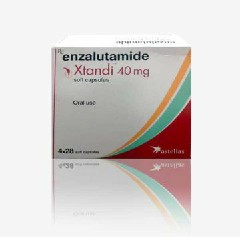
3. The side effects are obviously different: Abiraterone needs to be combined with hormones, while enzalutamide is biased toward the nervous system.
In terms of safety, abiraterone inhibits the synthesis of androgens by the adrenal gland, which can cause hyperaldosteronism, manifested by hypertension, hypokalemia, edema, etc. Therefore, it is necessary to combine it with a small dose of prednisone to alleviate related side effects, which increases the risk of hormone-related complications during long-term use.
The main side effects of enzalutamide are concentrated on the nervous system and fatigue, such as fatigue, dizziness, and increased risk of falls. Especially in older patients, enzalutamide is associated with a slightly higher risk of falls and cognitive impairment than abiraterone.
Therefore, if the patient has an obvious history of hypertension, heart disease or electrolyte imbalance, abiraterone should be used with caution; while in the elderly or those with neurological diseases, enzalutamide needs to be closely monitored.
4. Convenience and compliance: Enzalutamide is simpler
From the perspective of medication, enzalutamide is taken orally once a day and does not need to be combined with other drugs, which is more patient-friendly; while abiraterone needs to be taken on an empty stomach and combined with oral prednisone 2 times a day, which increases the complexity of medication to a certain extent.
In addition, because abiraterone is highly affected by food, eating will significantly increase its bioavailability, which may lead to fluctuations in blood concentration, which also places higher demands on patients' daily eating habits.
5. Selection of applicable groups: Basic diseases and economic status need to be considered
In terms of indications, both enzalutamide and abiraterone can be used for metastatic castration-resistant prostate cancer (mCRPC) and some hormone-sensitive stages (mHSPC). However, in actual clinical use, doctors usually make individual selections based on factors such as the patient's age, complications, liver and kidney function, and whether combined with cardiovascular disease.
For example, enzalutamide is more suitable for patients with stable control and no serious neurological diseases, while abiraterone is suitable for patients who can take hormones stably, but it is not recommended for patients with diabetes, kidney disease, and poorly controlled hypertension.
In addition, economic factors are also considered. In some areas, the medical insurance reimbursement policies are different. The price of enzalutamide is slightly higher than that of abiraterone, but the actual out-of-pocket ratio after medical insurance is similar.
Overall, enzalutamide and abiraterone both have good efficacy in the treatment of prostate cancer, and the gap is not huge. From the perspective of efficacy, enzalutamide performed slightly better in some studies; however, from the perspective of side effects and individual tolerance, abiraterone is also more suitable in some groups.
So, there is no absolute difference between the two "Who is better and who is worse?" What is more important is to comprehensively judge which one is more suitable for long-term use based on multiple factors such as the patient's age, comorbidities, living habits, past treatment history, economic situation, and medical insurance policy. It is recommended to develop an individualized treatment plan under the guidance of a professional doctor to control the condition while taking into account the quality of life.
Reference materials:https://www.drugs.com/
[ 免责声明 ] 本页面内容来自公开渠道(如FDA官网、Drugs官网、原研药厂官网等),仅供持有医疗专业资质的人员用于医学药学研究参考,不构成任何治疗建议或药品推荐。所涉药品可能未在中国大陆获批上市,不适用于中国境内销售和使用。如需治疗,请咨询正规医疗机构。本站不提供药品销售或代购服务。


