
.jpeg)
Which groups of people are prohibited from using Thiotepa (Thiotepa) treatment and should pay attention to
Thiotepa (Thiotepa) is an alkylating agent anti-tumor drug that is commonly used to treat a variety of malignant tumors, including breast cancer, ovarian cancer, bladder cancer and certain hematological malignancies. It is also used in pretreatment programs before hematopoietic stem cell transplantation. Due to its obvious bone marrow suppression and immunosuppressive effects, some groups of people are at higher risk when using this drug. Therefore, contraindication groups must be strictly screened during clinical use. The following are several categories of people who should not be treated with thiotepa.
It should be contraindicated in patients with severe myelosuppression or active infection. Thiotepa has obvious side effects of inhibiting bone marrow hematopoietic function. If the patient has obvious anemia, white blood cells or platelets are significantly reduced, continued use of the drug may lead to serious consequences such as infection and bleeding. At the same time, if the patient has an active bacterial, fungal or viral infection, the immunity will further decline after taking the medicine, which will aggravate the condition and even endanger life.
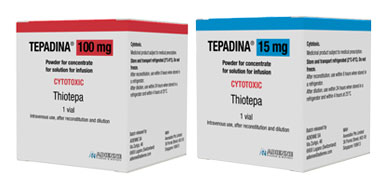
It is contraindicated in patients allergic to thiotepa or its excipients. Some patients may have allergic reactions to alkylating drugs or other ingredients in thiotepa injection, such as rash, bronchospasm, anaphylactic shock, etc. For those with a history of drug allergy, especially severe adverse reactions to similar anti-cancer drugs, the use of thiotepa should be avoided and other alternative treatment options should be considered.
It is strictly prohibited to use by pregnant and lactating women. Thiotepa can cause fetal malformations or embryotoxicity and has clear teratogenic and mutagenic effects. Once exposed to pregnant women, it may have serious effects on the fetus and even cause miscarriage. Therefore, women should take effective contraceptive measures during use and for a period of time after stopping treatment. Breastfeeding women should also avoid using it to prevent the drug from affecting the health of the baby through milk.
It should be used with caution or even contraindicated in patients with severe hepatic and renal insufficiency. The metabolism of thiotepa in the body mainly depends on liver and kidney function. If the patient already has obvious liver or kidney function damage, it may lead to drug accumulation and aggravate toxic reactions, especially nervous system toxicity and bone marrow toxicity. Therefore, the patient's liver and kidney function must be assessed before starting treatment, and the dose should be adjusted or the treatment plan changed if necessary.
In summary, although thiotepa has certain efficacy in the treatment of malignant tumors, the user population must be strictly screened to avoid potential risks and ensure treatment safety. Any medication decision should be made after evaluation by a professional oncologist, and patients should never use or change the regimen on their own.
Reference materials:https://www.drugs.com/
[ 免责声明 ] 本页面内容来自公开渠道(如FDA官网、Drugs官网、原研药厂官网等),仅供持有医疗专业资质的人员用于医学药学研究参考,不构成任何治疗建议或药品推荐。所涉药品可能未在中国大陆获批上市,不适用于中国境内销售和使用。如需治疗,请咨询正规医疗机构。本站不提供药品销售或代购服务。


