
.jpeg)
What should you pay attention to while taking Tarlatamab?
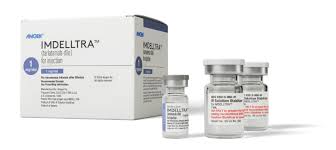
Tarlatamab (Tarlatamab) is a new bispecific T cell-linked antibody (BiTE), mainly used to treat small cell lung cancer (SCLC), especially relapsed or refractory patients. As an innovative drug targeting the expression of DLL3 (Delta-like ligand 3), talatumumab provides new treatment hope for traditional chemotherapy-resistant patients by guiding T cells to target and attack cancer cells. However, similar to other immunotherapies, there are a series of precautions that require close attention during the administration of talatumumab, including adverse reaction management, dose monitoring, prevention of complications, and lifestyle adjustments. The following will systematically summarize the key precautions during taking talatumumab for the reference of patients and their families.
1. Preparation and screening before the first treatment
Before receiving talatumumab treatment, patients need to complete a series of basic examinations to ensure the safety of the medication:
DetectionDLL3expression level: Talatumumab mainly targets tumors with high expression of DLL3, so it is usually necessary to confirm DLL3 expression through histopathology or liquid biopsy to evaluate whether the patient is suitable for the drug.
Assess liver and kidney function and blood routine: Because immunotherapy may affect liver, kidney and bone marrow function, baseline examination can help monitor side effects later.
Exclude active infections and autoimmune diseases: Patients with severe infections, hepatitis B virus activation, and autoimmune diseases have a higher risk of using talatumumab and need to be carefully evaluated.
Inform the patient of past medication and medical history: including whether other immunotherapy drugs have been used, whether there have been immune side effects, etc., so that doctors can formulate an individualized medication plan.
2. Main side effects and coping strategies during treatment
As an immune-targeted drug, the most significant risk of talatumumab comes from overactivation of the immune system, so you should be particularly vigilant about the following adverse reactions during treatment:
1. Cytokine release syndrome (CRS)
This is the most common immune-related adverse reaction of talatumumab, which is more likely to occur for the first time or after a dose increase. CRSIt manifests as fever, fatigue, hypotension, shortness of breath, and in severe cases, it can even lead to shock.
Preventive measures: It is recommended that the first dose be administered in an inpatient setting, with close monitoring of vital signs;
Treatment measures: mild to moderateAntipyretic analgesics and antihistamines can be used for CRS. Severe cases require tocilizumab (antiIL-6 antibody) or short-term glucocorticoids.
2. Neurotoxicity (ICANS)
Some patients may experience neurological symptoms such as confusion, epileptiform seizures, and speech impairment.
Early identification: Patients or family members should closely observe changes in mental status;
Management suggestions: Once neurological symptoms occur, seek medical attention immediately and evaluate whether to temporarily discontinue the drug. In severe cases, hormonal intervention is required.
3. Myelosuppression
Neutropenia, anemia, and thrombocytopenia may occur during treatment, increasing the risk of infection and bleeding.
Regular monitoring: It is recommended to conduct routine blood tests every week;
Intervene when necessary: In severe cases, symptomatic treatment such as Shengbaiyao and blood transfusion can be used.
4. Digestive system reaction
Some patients experience nausea, loss of appetite, diarrhea and other symptoms, most of which are mild to moderate.
Diet adjustment: maintain a light diet and avoid greasy and irritating foods;
Symptomatic treatment: Use antiemetics and antidiarrheals according to symptoms.
3. Injection administration and dose adjustment
Talatumumab is an intravenous infusion drug, and the dosage and interval are determined by the doctor based on the patient's weight, severity of illness, and tolerance of side effects. Common solutions are:
First dose escalation: start with a low dose and gradually increase to reduce the risk ofCRS;
Maintenance treatment: If the patient tolerates it well, titrate to a fixed dose every two or three weeks.
If the patient experiences intolerable adverse reactions, the doctor will decide whether to reduce the dose, delay the next injection, or permanently discontinue the drug based on the toxicity grade.
4. Life and health management suggestions during treatment
In addition to drug treatment, patients should do a full range of physical and psychological management while taking the drug:
1. Get enough rest
It is easy to feel tired during immunotherapy. It is recommended to arrange your work and rest reasonably to avoid overexertion. Moderate light activities such as walking, Tai Chi, etc. can help maintain physical strength and immune status.
2. Nutritional balance
Nutrition is essential for immune system stability. A high-protein, high-vitamin, easy-to-digest diet is recommended, and the intake of fresh fruits, vegetables, lean meats, eggs, and milk is encouraged. If nausea or loss of appetite affects eating, consider dividing meals or using nutritional supplements.
3. Psychological Support
Talatumumab treatment cycle is long, has many side effects, and patients are prone to anxiety. Family members should provide emotional support, and at the same time, they can join patient mutual aid organizations or seek psychological counseling to help patients increase their confidence.
4. Regular review and follow-up
Regular review of blood routine, liver and kidney function, imaging examination, etc. as directed by the doctor will help evaluate the efficacy and side effects of the drug. If you have any discomfort, please contact your attending doctor promptly. It is not recommended to stop taking the medication or change the dosage on your own.
5. Precautions for use by special groups of people
Elderly people: The immune system is relatively weak, the incidence of side effects is higher, and should be monitored more carefully.
Patients with hepatic and renal insufficiency: The metabolism and elimination mechanism of talatumumab are not yet fully understood, and the dose should be adjusted individually according to the doctor's advice.
Pregnant and lactating women: There is insufficient research to support its safety and should be avoided. Women of childbearing age should take effective contraceptive measures while using talatumumab, and should not become pregnant within 3 months after the end of treatment.
Talatumumab, as a new immune-targeted drug for small cell lung cancer, has strong therapeutic potential, but there are many immune-related side effects and medication management challenges during its use. During the period of medication, patients need to follow the doctor's guidance, closely monitor body reactions, make lifestyle adjustments and review management. Only with close cooperation between doctors and patients can the maximum efficacy and minimum risks of talatumumab treatment be achieved, bringing longer survival and better quality of life to cancer patients.
Reference materials:https://www.drugs.com/
[ 免责声明 ] 本页面内容来自公开渠道(如FDA官网、Drugs官网、原研药厂官网等),仅供持有医疗专业资质的人员用于医学药学研究参考,不构成任何治疗建议或药品推荐。所涉药品可能未在中国大陆获批上市,不适用于中国境内销售和使用。如需治疗,请咨询正规医疗机构。本站不提供药品销售或代购服务。


