
.jpeg)
Summary of precautions during Tislelizumab injection
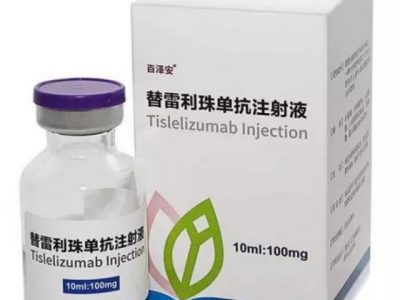
Tislelizumab (Tislelizumab) is a humanized anti-PD-1 monoclonal antibody. As a member of immune checkpoint inhibitors, it is widely used in the treatment of a variety of malignant tumors, including non-small cell lung cancer, hepatocellular carcinoma, esophageal squamous cell carcinoma, nasopharyngeal carcinoma, melanoma, etc. Its mechanism is to block the PD-1/PD-L1 pathway and relieve the inhibition of T cell activity, thereby activating the body's immune system to recognize and kill tumor cells. However, immunotherapy is different from traditional chemotherapy, and the management strategies during treatment are also different, especially requiring close cooperation between patients and medical staff. The following is a summary of precautions that should be paid attention to during tislelizumab injection to help patients complete treatment more safely and effectively.
1. Preparation and assessment before treatment
Before initiating treatment with tislelizumab, doctors will perform a comprehensive evaluation of the patient, including:
Basic disease screening: especially whether there are autoimmune diseases, active infections (such as tuberculosis, hepatitis B, hepatitis C, HIV), etc., because immune-enhancing treatment may induce the aggravation or activation of the original disease.
Liver and kidney function tests: Liver and kidney function may be affected during immunotherapy, so baseline indicators should be recorded.
Hormones and thyroid function testing:PD-1Antibody drugs may cause thyroiditis, hypothyroidism, hyperthyroidism or other endocrine abnormalities.
Imaging examinations: such asCT, MRI, PET-CT, etc. are used to evaluate tumor burden and initial status of the disease.
It is recommended that patients inform their doctors in detail about their past medical history, drug allergies, and all medications they are taking before treatment, so that medical staff can reasonably arrange medication plans and avoid potential risks.
2. Precautions during injection
Tislelizumab is usually administered by intravenous infusion, and the recommended dose is 200mg, injected once every 3 weeks. The entire injection process generally lasts from 30 to 60 minutes. The following points should be noted during the injection process:
Full monitoring: It is recommended to conduct it in the hospital when using it for the first time. Observe whether there are any allergic reactions, such as rash, laryngeal edema, difficulty breathing, etc. Once it occurs, the infusion should be stopped immediately and rescue measures should be taken.
Avoid combined drug interference: Some patients taking antipyretic, analgesic drugs or immunosuppressive drugs on the day of injection may affect the effect of immunotherapy, so they need to inform their doctor in advance.
Diet and activity restrictions: Avoid drinking alcohol and high-intensity exercise on the day of injection, keep a light diet, and avoid consuming irritating foods.
Observation of the injection site: If there is obvious redness, swelling, pain or itching in the local injection area, the nurse or doctor should be reported promptly.
3. Monitoring and response to side effects during treatment
PD-1The side effects of immunotherapy are usually "immune-related adverse reactions" (irAEs), that is, the body's immune system is overactivated and attacks normal tissues. The following are common side effects and treatment suggestions during tislelizumab treatment:
1. Skin reactions:
Such as rash, itching, pigmentation, etc., which are common in the early stage of treatment. Most of them are mild and can usually be relieved with antihistamines or topical hormone ointments. Severe rashes (eg, exfoliative dermatitis) should consider suspending treatment.
2. Gastrointestinal symptoms:
For example, diarrhea and colitis may cause bloody stools and abdominal pain in severe cases. The frequency and nature of stools need to be closely monitored, and severe cases may require glucocorticoid treatment.
3. Endocrine disorders:
Including hypothyroidism or hyperthyroidism, adrenal insufficiency, hypophysitis, etc. It is recommended to monitor endocrine indicators every 2-4 weeks. If persistent fatigue, depression, hypoglycemia, etc. occur, you should seek medical attention as soon as possible.
4. Hepatitis and pneumonia:
Immune hepatitis may manifest asALT/AST elevation, while pneumonia may manifest as cough, chest tightness, and dyspnea. Regular blood tests and chest X-rays are required, and hormones are added or discontinued if necessary.
5. Rare but serious adverse reactions:
Such as neurological symptoms (encephalitis, peripheral neuropathy), myocarditis, pancreatitis, etc. Once it occurs, the drug must be stopped immediately and hormone shock treatment must be given.
4. Long-term management and life suggestions
The immunotherapy cycle is long and usually lasts at least6 months or even longer, so it requires long-term cooperation from the patient:
1.Regular review: During treatment, blood routine, liver and kidney function, electrolytes, thyroid function, etc. should be reviewed every 3-6 weeks. Imaging evaluation is performed every 2-3 months to determine the efficacy and whether the plan needs to be adjusted.
2.Psychological support: During the immunotherapy process, "pseudo-progression" (short-term tumor growth) may occur, which can easily cause anxiety. Patients need to be correctly guided to maintain confidence and patiently wait for later treatment responses.
3.Maintain a healthy lifestyle: Maintain adequate sleep, moderate exercise, and a low-salt and low-fat diet to help enhance immune system stability and drug tolerance.
4.Infection prevention: Avoid going to crowded places, pay attention to hand hygiene and wear masks, especially in winter and spring or during periods of low immune function.
Tislelizumab, as a new generation of PD-1 immunotherapy drugs, has shown good efficacy and safety in a variety of tumors. However, the treatment process requires close cooperation among patients, family members and doctors, focusing on preparation before treatment, monitoring of the injection process, identification and treatment of side effects, and long-term health management. Through scientific and standardized treatment strategies and individualized management, patients can benefit from tislelizumab treatment to the maximum extent, prolong survival and improve quality of life. If any discomfort occurs during the medication, you should communicate with the attending doctor as soon as possible and do not stop the medication or adjust the plan on your own.
Reference materials:https://www.drugs.com/
[ 免责声明 ] 本页面内容来自公开渠道(如FDA官网、Drugs官网、原研药厂官网等),仅供持有医疗专业资质的人员用于医学药学研究参考,不构成任何治疗建议或药品推荐。所涉药品可能未在中国大陆获批上市,不适用于中国境内销售和使用。如需治疗,请咨询正规医疗机构。本站不提供药品销售或代购服务。


