
.jpeg)
How long should you take belumosudil before you need to stop taking it, and guidelines for how to stop taking it safely
Belumosudil is an orally selective ROCK2-related protein kinase /span>2) inhibitors are mainly used to treat patients with chronic graft-versus-host disease (cGVHD), especially those who are ineffective or resistant to previous treatments. As a new type of targeted immunomodulatory drug, besudil has demonstrated significant clinical efficacy due to its unique mechanism of action. However, for patients and clinicians, rational use of besudil, clear timing of drug withdrawal, and mastering the safe drug withdrawal process are all important links to ensure treatment safety and sustained efficacy. The following is a detailed description of the medication cycle, discontinuation principles and safe discontinuation guidelines of Besudil.
1. Besudil treatment cycle and medication duration
The treatment plan for besudil is generally to continue taking the drug until satisfactory efficacy is achieved or intolerable side effects occur. Clinical trials show that most patients need to take it continuously for several months, usually 6 months or more, and some patients even need long-term maintenance treatment to prevent recurrence or worsening of the condition. The administration principle of Besudil emphasizes the continuous suppression of pathological immune responses, so as to achieve the purpose of alleviating chronic GVHD.
Due to the complex and recurring course of chronic GVHD , besudil usually does not have a fixed treatment "course", but rather adjusts the medication time and dosage according to the patient's clinical response and tolerance. If the patient's symptoms improve significantly and the inflammation indicators return to normal, the doctor may consider gradually reducing the dose of the drug, and then decide whether to discontinue the drug after observing that the condition is stable.
2. Criteria for judging the timing of drug withdrawal
When to discontinue Besudil requires a comprehensive judgment based on the patient's treatment response, changes in condition, and adverse reactions:
1.The therapeutic effect reaches the target: When the patient's chronic GVHD symptoms are fully relieved, the quality of life is significantly improved, and multiple examination indicators tend to be normal, the dosage can be considered to be reduced, and then the drug can be safely discontinued to be evaluated.
2.Intolerance: If a patient experiences severe or irreversible drug-related side effects, such as liver function damage, severe infection, etc., the doctor needs to weigh the pros and cons and may stop the drug in advance or adjust the treatment plan.
3. Disease recurrence risk assessment: Before discontinuing medication, the patient's condition stability and risk of recurrence need to be carefully assessed. For high-risk patients, medication should be discontinued with caution and a strict monitoring plan should be established.
4. Adjustment of combined medication: Besudil is often used in combination with other immunosuppressants. When discontinuing the drug, adjustments to the combined medication should also be considered to avoid disease fluctuations caused by discontinuation of a single drug.
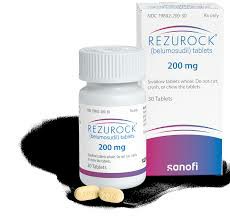
3. Specific operational suggestions for safe drug withdrawal
The safe discontinuation of Besudil should follow the principles of gradual and dynamic monitoring. Specific steps include:
1.Gradual reduction: sudden discontinuation of medication is not recommended. Usually, after the efficacy is stable, doctors will gradually reduce the dose of besudil based on the patient's specific conditions. For example, reduce the dose every 2 to 4 weeks while closely observing clinical manifestations and laboratory indicators.
2. Close follow-up: During dose reduction or discontinuation, patients should receive regular outpatient review, including physical sign assessment, liver and kidney function, blood picture and immune index monitoring, to ensure that the condition does not fluctuate.
3.Relapse warning: If GVHD symptoms worsen, laboratory abnormalities or concurrent infections occur, you should report to the doctor in time and consider suspending dose reduction or even resuming the original dose of treatment.
4.Psychological support: Since patients may worry about the recurrence of the condition during drug withdrawal, medical staff should provide adequate psychological counseling and health education to enhance patient compliance.
4. Long-term management and relapse treatment after drug withdrawal
Even if the drug is successfully discontinued, patients still require long-term follow-up monitoring. ChronicGVHD carries a risk of relapse. If symptoms recur after stopping the drug, you should promptly evaluate whether to restart besudil or adjust other immunotherapy. Common symptoms of recurrence include skin sclerosis, oral ulcers, decreased lung function, etc. Early detection and intervention are crucial to the prognosis.
In addition, after discontinuing Besudil, you should still pay attention to preventing infection, maintaining good living habits and regular physical examinations. The doctor will also develop a personalized follow-up plan based on the patient's individual situation to prevent recurrence of the condition and complications.
Besudil, as an innovative drug for the treatment of chronic GVHD, usually needs to be taken continuously for a long time. The timing and method of stopping the drug must be scientifically determined based on the patient's condition and tolerance. Safe drug discontinuation should follow the principles of gradual dose reduction and close monitoring to avoid sudden discontinuation causing disease recurrence or worsening. After stopping the drug, patients still need regular follow-up and timely re-examination to ensure stable efficacy and maximize the quality of life. Patients should actively cooperate with the doctor and abide by the doctor's instructions during the entire treatment and discontinuation process to achieve the best therapeutic effect and safety.
Reference materials:https://www.drugs.com/
[ 免责声明 ] 本页面内容来自公开渠道(如FDA官网、Drugs官网、原研药厂官网等),仅供持有医疗专业资质的人员用于医学药学研究参考,不构成任何治疗建议或药品推荐。所涉药品可能未在中国大陆获批上市,不适用于中国境内销售和使用。如需治疗,请咨询正规医疗机构。本站不提供药品销售或代购服务。


