
.jpeg)
Analysis of symptoms and risks after stopping Lenvatinib (Lenvatinib)
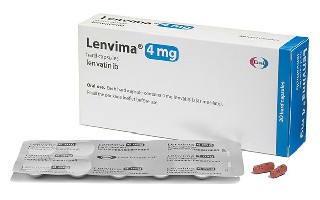
Lenvatinib (Lenvatinib) is a multi-target tyrosine kinase inhibitor commonly used to treat various malignant tumors such as hepatocellular carcinoma, thyroid cancer, and renal cell carcinoma. It blocks tumor angiogenesis and cell proliferation by inhibiting VEGFR, FGFR, PDGFR and other pathways. As a targeted drug, lenvatinib needs to be taken continuously to maintain its inhibitory effect on tumors. Once interrupted, tumor cells may quickly regain their ability to grow, so the risk after discontinuation cannot be ignored.
The most common problem after discontinuation is tumor progression or recurrence. Multiple clinical studies and real-world observations have shown that some patients experience rapid tumor growth or the formation of new lesions within 1 to 2 weeks after stopping lenvatinib. This "rebound effect" may be because after the VEGF pathway is deinhibited, tumor blood vessels are re-formed and the tumor microenvironment becomes active again, leading to rapid deterioration of the disease in a short period of time.
Some patients may experience symptomatic rebound reactions after stopping the drug, such as increased pain, abdominal distension, decreased appetite, and increased fatigue, etc. These are often related to an increase in tumor burden. It is especially common in patients with advanced tumors or those with rapid disease progression. Therefore, any decision to consider discontinuing a drug due to side effects or other reasons must be evaluated by a physician and a clear alternative or remedial plan formulated.
In some cases, if lenvatinib treatment has to be interrupted due to serious side effects, the patient may not only face the risk of disease rebound, but may also become unstable in a short period of time due to the loss of the original drug effect. At this time, you should communicate with your doctor as soon as possible to see whether the condition can be controlled by reducing the dosage, changing the dressing, or combining it with other drugs. Complete discontinuation without an alternative is risky, especially in patients who rely on lenvatinib for long-term control.
In summary, there are multiple risks such as rapid tumor progression, worsening of symptoms, and decreased overall prognosis after discontinuation of lenvatinib. Unless serious side effects occur or a doctor specifically recommends it, it is generally not recommended to stop taking the medication without permission. If patients need to adjust the plan, they should do so under the guidance of a doctor to ensure the continuity and safety of treatment.
Reference materials:https://www.drugs.com/
[ 免责声明 ] 本页面内容来自公开渠道(如FDA官网、Drugs官网、原研药厂官网等),仅供持有医疗专业资质的人员用于医学药学研究参考,不构成任何治疗建议或药品推荐。所涉药品可能未在中国大陆获批上市,不适用于中国境内销售和使用。如需治疗,请咨询正规医疗机构。本站不提供药品销售或代购服务。


