
.jpeg)
Comparison of the Differences between Sorafenib and Donafenib
Sorafenib) and donafenib (Donafenib) are oral targeted drugs used to treat solid tumors such as hepatocellular carcinoma (HCC), especially playing an important role in the systemic treatment of advanced liver cancer. They are both multi-target tyrosine kinase inhibitors (TKIs), but there are certain differences in structure, mechanism, clinical efficacy, side effects and applicable populations. As liver cancer treatment options continue to advance, understanding the similarities and differences between these two drugs can help doctors and patients make more appropriate treatment choices. The following is a detailed comparative analysis of sorafenib and donafenib.
1. Drug background and research and development history
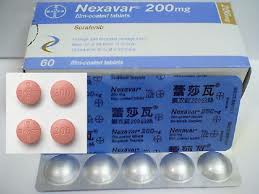
**Sorafenib (Sorafenib)** was developed by Bayer in Germany and is the world’s first FDAapproved targeted drugs for the treatment of advanced hepatocellular carcinoma. 2007 was approved for marketing by the China State Food and Drug Administration, becoming the "pioneer" of targeted therapy for liver cancer. Due to the lack of effective treatments in the early stages, sorafenib has long been regarded as the "gold standard" for systemic treatment of liver cancer.
**Donafenib (Donafenib)** is a new generation of tyrosine kinase inhibitor developed by Chinese local pharmaceutical company Zhongsheng Pharmaceutical after structural modification of sorafenib. It was approved for marketing in China in 2021. As a structural analog of sorafenib, after optimizing its molecular structure, donafenib aims to improve efficacy, reduce toxic side effects, and is more suitable for the metabolic characteristics of Asian populations.
2. Differences in structure and mechanism of action
Although both are multi-target tyrosine kinase inhibitors, there are subtle differences in target selection and affinity.
Sorafenib mainly works by inhibitingVEGFR (vascular endothelial growth factor receptor)1-3, PDG Signaling pathways such as FR, RAF-1, and BRAF play a role in anti-tumor angiogenesis and inhibiting tumor cell proliferation.
On the basis of retaining the above-mentioned target effects, donafenib has stronger inhibitory ability against kinases such as BRAF and RAF-1, and some studies have shown that it has enhanced killing power against tumor cells. At the same time, the structure of donafenib is more stable and its pharmacokinetic properties are more suitable for the Chinese population.
3. Comparison of clinical efficacy
The efficacy of sorafenib has been confirmed by multiple international clinical trials. In the SHARP study, it was shown that compared with placebo, sorafenib can significantly extend the median survival time of patients with advanced liver cancer to 10.7 months (the control group was 7.9 months).
Donafenib conducted a head-to-head III phase controlled study (ZGDH3) in China, directly comparing it with sorafenib: the study results showed that the median overall survival of the donafenib group (OS pan>) was 12.1 months, which was significantly better than the 10.3 months of the sorafenib group, and had longer progression-free survival (PFS) and higher disease control rate. Since this is the first time that a targeted drug developed locally in China has surpassed sorafenib, it has become the new standard option for the treatment of advanced liver cancer in China.
4. Differences in side effects and tolerance
In clinical use, drug side effects are also an important factor affecting patients' medication compliance and quality of life.
Common side effects of sorafenib include skin reactions (especially hand-foot syndrome), diarrhea, fatigue, hypertension, etc. Some patients have difficulty persisting in long-term treatment due to side effects.
Donafenib was shown to be better tolerated overall in clinical trials, especially with a significantly lower incidence of skin toxicity than sorafenib. Although reactions such as diarrhea and loss of appetite still occur, most of them are mild to moderate and can be alleviated through dose adjustment.
Therefore, donafenib may be a more appropriate option for patients with weaker medical conditions or poor tolerance to sorafenib.
5. Price and medical insurance policy
Sorafenib has been included in the national medical insurance catalog. After multiple rounds of negotiations, the price has dropped. At present, the price in the domestic market is relatively stable. Common specifications are about 2000-3000 yuan per box. After reimbursement, the patient burden is greatly reduced.
Donafenib has also been included in medical insurance since its launch, and can be reimbursed according to medical insurance regulations in designated hospitals. The cost after reimbursement is not much different from that of sorafenib. Some regions also provide a higher proportion of medical insurance support for domestically produced innovative drugs, giving Donafenib a prominent advantage in terms of cost performance.
6. Applicable groups and treatment selection suggestions
Although both can be used as first-line targeted therapies for advanced hepatocellular carcinoma, clinical selection still requires individualized judgment.
Sorafenib, as a standard regimen in the early market, is suitable for patients whose condition is relatively stable and who want to try standard treatment paths.
Due to its better efficacy and better tolerability, donafenib is especially suitable for Asian patients, especially those who have poor tolerance to sorafenib or require a higher control rate.
For patients who have previously failed treatment with other targeted drugs, retrying donafenib may be considered after physician evaluation. In the future, with the development of immune combination therapy, these two drugs may also be used in combination with immune checkpoint inhibitors to further improve the efficacy.
Although sorafenib and donafenib both belong to the TKI class of targeted drugs, they have obvious differences in mechanisms, efficacy, side effects, and patient experience. Sorafenib is the global leader in liver cancer treatment and has been clinically proven for many years. Donafenib is a representative domestic innovative drug that has been optimized and upgraded in terms of efficacy and safety. With the rapid promotion and medical insurance coverage of donafenib, patients have more choices in the treatment of advanced liver cancer. In the future, personalized treatment will become a trend, and doctors will rationally select targeted drugs based on the patient's specific conditions to maximize treatment benefits.
Reference materials:https://www.drugs.com/
[ 免责声明 ] 本页面内容来自公开渠道(如FDA官网、Drugs官网、原研药厂官网等),仅供持有医疗专业资质的人员用于医学药学研究参考,不构成任何治疗建议或药品推荐。所涉药品可能未在中国大陆获批上市,不适用于中国境内销售和使用。如需治疗,请咨询正规医疗机构。本站不提供药品销售或代购服务。


