
.jpeg)
Detailed explanation of the side effects and possible health hazards of Sorafenib
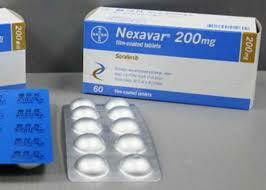
Sorafenib is an oral multi-target tyrosine kinase inhibitor commonly used in the treatment of advanced hepatocellular carcinoma, renal cell carcinoma and thyroid cancer. Although it has achieved remarkable results in tumor control, it is also accompanied by a series of side effects and potential health risks, and patients should pay high attention to it during use.
The most common side effects are skin reactions and gastrointestinal upset. Many patients will develop hand-foot syndrome in the early stages of taking the drug, which means the skin on the palms and soles is red, swollen, peeling, or painful. In severe cases, it affects daily activities. In addition, digestive system symptoms such as diarrhea, loss of appetite, nausea, and oral ulcers are also common. If they persist, they may lead to weight loss and malnutrition.
Sorafenib may also cause liver function abnormalities and hypertension. Since the drug is mainly metabolized by the liver, some patients may experience elevated transaminases or abnormal bilirubin, and in severe cases, may even develop drug-induced liver injury. In addition, sorafenib may cause an increase in blood pressure, so patients with hypertension need to closely monitor and adjust their antihypertensive treatment plan when using it.
Bleeding and thrombotic events are also serious risks to be aware of. Sorafenib may inhibit angiogenesis and affect blood vessel stability, thereby causing gum bleeding, nose bleeding, and even gastrointestinal or cerebral bleeding; some patients may also develop complications such as deep vein thrombosis or pulmonary embolism. Therefore, people with a bleeding tendency or a history of cardiovascular and cerebrovascular disease should use it with caution.
Finally, long-term use of sorafenib may also have effects on the heart, electrolyte balance, and thyroid function. Individual patients may experience electrocardiographic abnormalities such as arrhythmia, decreased cardiac function, or prolonged QT interval. At the same time, attention should be paid to the occurrence of electrolyte disorders such as hyponatremia and hypokalemia. In addition, sorafenib may affect thyroid function, leading to hypothyroidism or hyperthyroidism, and regular thyroid function tests are required. Taken together, patients need to regularly review relevant indicators under the guidance of a doctor during medication to ensure safe medication use and reduce risks.
Reference materials:https://www.drugs.com/
[ 免责声明 ] 本页面内容来自公开渠道(如FDA官网、Drugs官网、原研药厂官网等),仅供持有医疗专业资质的人员用于医学药学研究参考,不构成任何治疗建议或药品推荐。所涉药品可能未在中国大陆获批上市,不适用于中国境内销售和使用。如需治疗,请咨询正规医疗机构。本站不提供药品销售或代购服务。


