
.jpeg)
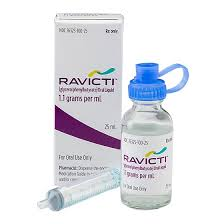
Glyceryl phenylbutyrate oral solution (Ravicti) dosage and administration method
Glycerol Phenylbutyrate Oral Liquid is an important medication used in the long-term management of patients with urea cycle disorders (UCDs). The use of glycerol phenylbutyrin is particularly important because these patients are unable to control ammonia levels through dietary protein restriction and amino acid supplementation alone. This article will introduce in detail the dosage, medication methods and precautions of glyceryl phenylbutyrate.
1. Use restrictions
1. Acute hyperammonemia: Glyceryl phenylbutyrate is not suitable for the treatment of acute hyperammonemia in patients with UCDs. In this situation, more rapid and effective interventions are needed to reduce plasma ammonia concentrations to prevent possible neurological damage and other serious consequences.
2. N-acetylglutamate synthase deficiency: The safety and effectiveness of glycerol phenylbutyrin in the treatment of NAGS deficiency have not yet been determined, so caution should be used when using it in such patients.
2. Usage and dosage
1. How to use
-The total daily dose of glyceryl phenylbutyrate should be divided equally into 3 to 6 portions and taken orally with meals. This is because taking it with food can increase the absorption rate of the drug and help reduce discomfort that may occur from using it on an empty stomach.
-While taking glycerol phenylbutyrate, dietary protein intake must be strictly limited. Additionally, in some cases, dietary supplements such as essential amino acids, arginine, citrulline, and protein-free energy supplements should be added based on physician recommendations to ensure that the patient's nutritional needs are met.
2. Recommended dosage
-The specific dosage of glyceryl phenylbutyrate depends on the patient's diet, height and weight. Regular blood tests are an important basis for adjusting dosage to ensure that ammonia levels in the patient's body remain within a safe range.
-Recommended dosages vary for patients of different ages:
1) Patients under 2 years old: A single dose needs to be rounded up to the nearest 0.1ml (for example, if the calculation result is 0.11ml, round to the nearest 0.2ml). The total daily dose also needs to be divided into 3 to 6 portions and taken orally with meals.
2) Patients 2 years old and above: The single dose should be kept upward to the nearest 0.5ml (such as 0.55ml, rounded to 1.0ml). The total daily dose should also be divided into 3 to 6 portions and taken orally with meals.
-For phenylbutyrate-naïve patients, the recommended starting dose is:
1) Patients with body surface area (BSA) <1.3m²: The recommended dose is 8.5ml/m²/day; the total daily dose is divided into 3 to 6 servings and taken with meals.
2) Patients with body surface area≥1.3m²: The recommended dose is 7ml/m²/day; the total daily dose is also divided into 3 to 6 portions and taken with meals.
-For patients switching from sodium phenylbutyrate to glyceryl phenylbutyrate, the starting dose is calculated as: total daily dose of glyceryl phenylbutyrate (mL) = total daily dose of sodium phenylbutyrate granules (g) × 0.81. Here too, the total daily dose needs to be divided evenly into 3 to 6 servings, to be taken with meals.
In summary, glyceryl phenylbutyrin oral solution plays a vital role in the management of patients with urea cycle disorders. During use, patients should fully understand the importance and methods of medication, and communicate with their doctors regularly to ensure the safety and effectiveness of medication.
Reference materials:https://www.ravicti.com/
[ 免责声明 ] 本页面内容来自公开渠道(如FDA官网、Drugs官网、原研药厂官网等),仅供持有医疗专业资质的人员用于医学药学研究参考,不构成任何治疗建议或药品推荐。所涉药品可能未在中国大陆获批上市,不适用于中国境内销售和使用。如需治疗,请咨询正规医疗机构。本站不提供药品销售或代购服务。


