
.jpeg)
Outstanding Performance of Pralatrexate Injection in Tumor Treatment
Pralatrexate Injection is an antimetabolite drug mainly used to treat peripheral T-cell lymphoma (PTCL), especially for those patients who have relapsed or are refractory to treatment. The outstanding performance of pralatrexate is its ability to effectively prolong progression-free survival (PFS) and overall survival (OS), especially in patients who have failed chemotherapy.
The clinical efficacy of pralatrexate has been demonstrated in multiple pivotal clinical trials, particularly in the treatment of peripheral T cell lymphoma (PTCL). PTCLIt is a type of malignant tumor with great heterogeneity. Its treatment is often difficult, the recurrence rate is high, and the response to conventional chemotherapy and immunotherapy is limited. Pralatrexate, as a new type of targeted drug, inhibits dihydrofolate reductase (DHFR) by interfering with the folic acid metabolism pathway, thereby blocking the DNA synthesis of tumor cells and inhibiting tumor growth.
In 2011, pralatrexate was FDA approved for the treatment of relapsed or refractory peripheral T cell lymphoma. Its efficacy has been confirmed through multiple clinical trials. An important clinical study is the PRADO trial, which showed that a larger proportion of patients treated with pralatrexate experienced partial remission (PR) or complete remission (CR). In addition, pralatrexate has shown good clinical tolerance and its side effects are relatively controllable compared with traditional chemotherapy drugs.
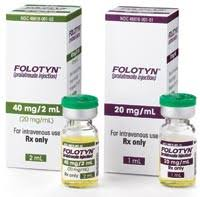
In the PRADO clinical study, pralatrexate was able to significantly improve patients' overall survival (OS) and progression-free survival (PFS) compared with conventional treatment options. The study showed that median progression-free survival for pralatrexate was 12.6 months compared with 4.5 months for patients who received chemotherapy alone. This suggests that pralatrexate has an important role in delaying disease progression.
In addition, the response rate (ORR) of pralatrexate was also much higher than that of the chemotherapy treatment group. Based on clinical data, pralatrexate achieved a partial response rate of29%, while the partial response rate of traditional chemotherapy drugs generally does not exceed 15%. This makes pralatrexate an effective option for the treatment of relapsed or refractory peripheral Tcell lymphoma.
Compared with traditional chemotherapy, pralatrexate has certain advantages. First of all, as a targeted therapy drug, pralatrexate is more selective and can act on tumor cells more accurately while causing less damage to normal cells. Secondly, the side effects of pralatrexate are relatively mild and are easier for patients to tolerate during treatment. Although pralatrexate may still cause side effects such as bone marrow suppression, gastrointestinal discomfort, and abnormal liver function, these side effects can usually be managed with monitoring and adjustment of treatment.
Compared with other targeted drugs such as bevacizumab (Bevacizumab) and atezolizumab (Atezolizumab), the efficacy of pralatrexate is particularly outstanding in the treatment of peripheral T cell lymphoma. Especially for patients who fail to respond to chemotherapy, pralatrexate provides them with a new treatment option and shows good long-term effects.
Although pralatrexate has shown good clinical efficacy, some patients may develop drug resistance as treatment progresses. Research on the mechanisms of resistance is still ongoing, and future studies may focus on how to overcome this problem through combination therapies. For example, combining pralatrexate with immune checkpoint inhibitors, anti-angiogenic drugs, etc. may further enhance the therapeutic effect and prolong the survival of patients.
Reference materials:https://www.drugs.com/pro/pralatrexate-injection.html
[ 免责声明 ] 本页面内容来自公开渠道(如FDA官网、Drugs官网、原研药厂官网等),仅供持有医疗专业资质的人员用于医学药学研究参考,不构成任何治疗建议或药品推荐。所涉药品可能未在中国大陆获批上市,不适用于中国境内销售和使用。如需治疗,请咨询正规医疗机构。本站不提供药品销售或代购服务。


