
.jpeg)
Dosage and standardized usage of pralatrexate injection
Pralatrexate Injection (Pratrexate Injection), as an antimetabolite drug, is mainly used to treat peripheral T-cell lymphoma (PTCL), especially for those patients with relapsed or refractory disease. When using pralatrexate, you must strictly follow your doctor's instructions for dosage adjustment and administration.
Before using pralatrexate injection for treatment, it needs to be performed once every 10 weeks from 10 weeks before the first dose. 1 grams of vitamin B12 intramuscularly; in addition, oral folic acid supplements of 1 to 1.25 mg of folic acid are taken daily starting from 10 days before the first dose. The recommended dose of pralatrexate is 30mg per square meter of body surface area, administered intravenously once a week between 3 and 5 minutes, continuous medication for 6 weeks, 7 weeks is a complete treatment cycle. For patients with severely impaired renal function (glomerular filtration rate between 15 to 29ml/ minute/1.73m2), it is recommended to halve the dose of pralatrexate to 15mg per m2 to reduce the risk of drug toxicity and adverse reactions.
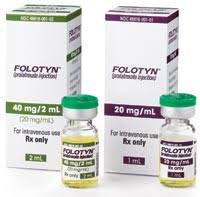
Pralatrexate injection is a sterile liquid and must be administered intravenously by professional medical personnel. The drug does not need to be diluted before injection, but if dilution is necessary, sterile physiological saline (0.9%sodium chloride solution) should be used for dilution.
Platrexate injection is generally administered through a slower intravenous injection, and the entire injection process should be controlled within 10-15 minutes to reduce the occurrence of local irritation or allergic reactions.
Pralatrexate treatment is usually once a week. Based on the patient's treatment response and side effect control, the doctor will decide whether to extend the treatment cycle or reduce the frequency of administration.
In patients with abnormal hepatic function, the dose of pralatrexate may need to be reduced appropriately. Before treatment, a comprehensive liver function test must be performed, and liver function indicators should be monitored regularly during treatment.
Because pralatrexate has a bone marrow suppressive effect, patients need to have regular blood tests during treatment and pay attention to changes in white blood cells, red blood cells and platelets. If symptoms of bone marrow suppression (such as anemia, infection, bleeding) occur, reduction of dose or suspension of treatment should be considered until the blood picture returns to normal.
Special caution is required when using pralatrexate in patients with severe renal insufficiency or other underlying medical conditions, which may require dose adjustments or increased treatment intervals.
Reference materials:https://www.drugs.com/pro/pralatrexate-injection.html
[ 免责声明 ] 本页面内容来自公开渠道(如FDA官网、Drugs官网、原研药厂官网等),仅供持有医疗专业资质的人员用于医学药学研究参考,不构成任何治疗建议或药品推荐。所涉药品可能未在中国大陆获批上市,不适用于中国境内销售和使用。如需治疗,请咨询正规医疗机构。本站不提供药品销售或代购服务。


