
.jpeg)
Mifamurtide injection--Adverse reactions of Mepact and how to deal with them
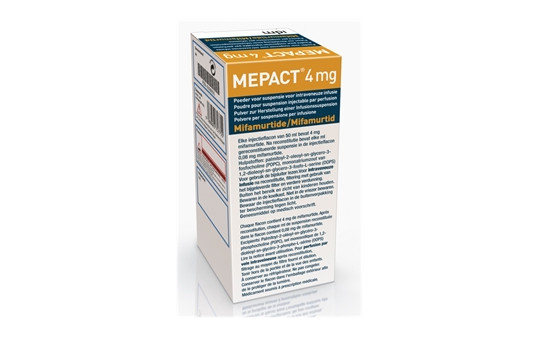
Mifamurtide injection (trade name: Mepact) is an immunomodulator. It is mainly used for the postoperative adjuvant treatment of high-grade, resectable, non-metastatic osteosarcoma in children, adolescents and young adults (2-30 years old). It needs to be used in combination with multi-drug chemotherapy. Its mechanism of action is to activate macrophages and monocytes to promote the release of tumor necrosis factor (TNF-α), interleukins (IL-1β, IL-6, etc.), thereby enhancing the body's killing effect on tumor cells. Clinical studies have shown that this drug can significantly improve the disease-free survival rate of patients and is an important part of the comprehensive treatment of osteosarcoma.
Although miavamutide injection shows good efficacy in treatment, its adverse reactions are also relatively common. Most patients will experience reactions such as fever, chills, fatigue, nausea, tachycardia, and headache after taking the drug. These symptoms are usually related to the immune activation effect of the drug. Among them, fever and chills are the most common acute reactions, which usually occur within a few hours after administration, but generally last for a short time and can be relieved by symptomatic treatment (such as antipyretic and analgesic drugs). In addition, some patients may experience gastrointestinal discomfort, such as nausea, vomiting, and decreased appetite, especially when combined with high-dose chemotherapy. For such patients, it is recommended to adjust the diet structure and provide antiemetic drugs or parenteral nutritional support if necessary.
Respiratory system adverse reactions are a problem that requires special attention for miavamutide injection. Patients with a history of asthma or chronic obstructive pulmonary disease may experience mild to moderate respiratory distress after taking the drug, which may even require interruption of treatment. Therefore, for such high-risk patients, prophylactic use of bronchodilators before administration and close monitoring of respiratory status during treatment is recommended. If severe respiratory reactions occur, the medication should be stopped immediately and emergency treatment measures should be taken. In addition, drugs may also cause inflammatory reactions, such as pericarditis, pleurisy or arthritis. Especially for patients with a history of autoimmune diseases, the risks of drug use need to be carefully assessed and relevant indicators should be checked regularly during treatment.
In terms of blood system, miavamutin injection may aggravate neutropenia and increase the risk of infection when used in combination with chemotherapy. Therefore, routine blood tests, especially neutrophil levels, need to be monitored regularly during treatment. If a patient has persistent fever or chills for more than 8 hours, he or she should be alert to the possibility of sepsis and receive anti-infective treatment in a timely manner. For patients with cardiovascular disease, drugs may increase the risk of thrombosis or vasculitis, so coagulation function and cardiovascular symptoms should be closely monitored before and after medication, and the dosage regimen should be delayed or adjusted if necessary.
Although the incidence of allergic reactions is low, you still need to be vigilant. Some patients may develop symptoms such as skin rashes, shortness of breath, or high blood pressure, which may even be life-threatening in severe cases. If an allergic reaction occurs, the drug should be stopped immediately and anti-allergic treatment should be given. In addition, the drug's effects on the nervous system (such as dizziness, blurred vision) may affect the ability to drive or operate machinery, and patients need to avoid high-risk activities during treatment.
Overall, mivamutin injection has important value in the adjuvant treatment of osteosarcoma, but its adverse reactions require full attention. Through reasonable preventive measures, timely symptomatic treatment and strict clinical monitoring, drug risks can be minimized and the safety and effectiveness of treatment can be ensured. Patients should take medication under the guidance of professional doctors and follow up regularly to evaluate treatment effects and adverse reactions.
Reference link: https://www.ema.europa.eu/en/documents/product-information/mepact-epar-product-information_en.pdf
[ 免责声明 ] 本页面内容来自公开渠道(如FDA官网、Drugs官网、原研药厂官网等),仅供持有医疗专业资质的人员用于医学药学研究参考,不构成任何治疗建议或药品推荐。所涉药品可能未在中国大陆获批上市,不适用于中国境内销售和使用。如需治疗,请咨询正规医疗机构。本站不提供药品销售或代购服务。


