
.jpeg)
Innovative treatments in 2025: Latest clinical applications and global market trends of Axitinib
1. Axitinib (Axitinib): one of the core drugs for targeted renal cancer treatment
Axitinib, English nameAxitinib, trade name Inlyta, is a highly selective tyrosine kinase inhibitor (TKI) that is widely used in the treatment of advanced renal cell carcinoma (RCC). As an original drug, it was developed and launched by Pfizer. Since it was approved by the US FDA in 2012, its therapeutic positioning has been continuously expanded, especially in combined immunotherapy programs, it has demonstrated strong synergistic anti-cancer capabilities. The latest guidelines in 2025 continue to recommend it as an important part of multi-line treatment, reflecting its long-term clinical value and target specificity.
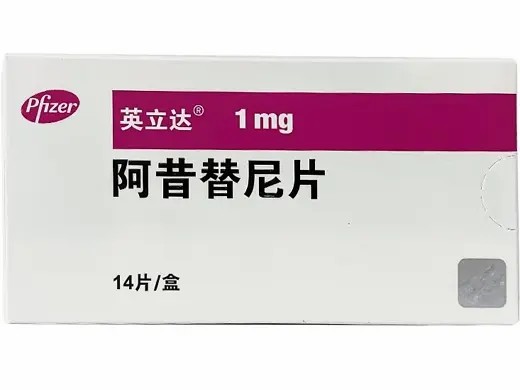
2. Expansion of indications for axitinib: combined immunotherapy becomes a new standard
According to the latest version of the instruction manual, axitinib is mainly suitable for the following three clinical scenarios:
1. Combined with Avelumab (Avelumab): As first-line treatment, it is used to treat patients with untreated advanced or metastatic renal cell carcinoma (RCC), especially for PD-L1-positive patients.
2. Combination with pembrolizumab (Pembrolizumab): It is widely regarded as one of the most promising first-line regimens at present. It can significantly extend the progression-free survival (PFS) and overall survival (OS) and is suitable for the IMDC intermediate- and high-risk group.
3. Single drug use: When patients have failed one systemic treatment (such as sorafenib, etc.), axitinib still shows a high response rate as a second-line treatment drug, especially suitable for TKI-resistant patients who have not yet received immunotherapy.
New research on axitinib emphasizes that its combination with immune checkpoint inhibitors not only significantly improves disease control rates, but also shows excellent efficacy in specific subgroups (such as patients with liver metastases), further consolidating its leading position in combined application.
xa0
3. In-depth analysis of the mechanism of action:VEGFR precisely targets tumor neovascularization
Axitinib blocks the key link of tumor angiogenesis by selectively inhibiting the tyrosine kinase activity of vascular endothelial growth factor receptor (VEGFR) 1, 2, and 3. The VEGFR signaling pathway plays a central role in the pathogenesis of clear cell renal cell carcinoma. Axitinib's precise inhibition strategy effectively reduces tumor blood supply, reduces tumor volume, and improves the immune microenvironment, laying a biological foundation for its combined treatment with PD-1/PD-L1 inhibitors.
Compared with first-generation multi-target TKIs such as sorafenib, axitinib has more concentrated targets, more controllable side effects, and a better dose adjustment window. Clinical studies in 2025 have further clarified its pharmacokinetic characteristics, making it easier to individualize management in the elderly or those with comorbidities.
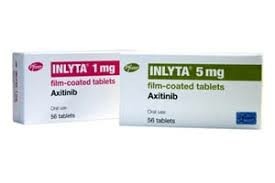
4. Usage and dosage update: more flexible individualized dosing strategy
In routine clinical treatment, axitinib is administered orally, with a standard starting dose of 5 mg twice daily. According to the patient's tolerance and blood pressure control, it can be gradually increased to 7 mg or 10 mg, or it can be reduced to 2 mg based on adverse reactions. Studies have shown that flexible dose adjustment strategies can help optimize the balance of efficacy and tolerability.
Especially in combined immunotherapy regimens, such as when combined with pembrolizumab, liver function, blood pressure and immune-related side effects need to be closely monitored, and the dose of axitinib needs to be dynamically adjusted to maintain treatment continuity. This point was further emphasized in the latest clinical consensus guidelines in 2025, reflecting the implementation of the precision medicine concept in the use of this drug.
xa0
5. Price comparison of original drugs and generic drugs: patients’ financial burdens are significantly different
The original drug of axitinib is produced by Pfizer (Pfizer), has been launched in China and has been included in the National Medical Insurance Category B Catalog. According to the quotes from pharmacies in different regions, the price of 1 mg × 14 tablets is more than 2,000 yuan, and the price of 5 mg × 28 tablets is more than 4,000 yuan. The reimbursement rate after medical insurance is about 70%. The actual payment still puts a certain pressure on ordinary families.
In overseas markets, such as the United States, a box of Inlyta (5mg Without extensive medical insurance coverage, overseas patients face a greater financial burden.
It is worth noting that as the global intellectual property protection cycle expires, India, Bangladesh, Laos and other countries have successively launched counterfeit versions. For example, the drug produced by Lucius Pharmaceuticals in Laos is 5 mg × 60 tablets, with a market price of about 1,000 yuan per box. The ingredients are consistent with the original drug, and the efficacy is stable. It is an important alternative for many patients to obtain targeted therapy.
 xa0
xa0
xa0
6. Generic drug quality and channel supervision issues: patients need to choose carefully
Although the active ingredients of generic axitinib are the same, patients should pay close attention to the following issues when choosing non-original channels to obtain the drug:
Quality control standards: Different manufacturers may have differences in impurity limits, dissolution rates and other indicators;
Channel reliability: It is recommended to obtain it through regular overseas pharmacies, hospital prescriptions or qualified third-party drug transfer services;
Lack of medication guidance: Without the guidance of a professional doctor during the use of generic drugs, there may be hidden dangers such as inappropriate dosage and drug interactions;
xa0
7. Global axitinib market trends:The focus will turn to portfolio strategy optimization in 2025
According to Pharma Intelligence data in 2025, the global axitinibmarket is going through a transition period from"single drug dominance" to "combination regimen optimization", especially with the promotion of IO+TKI (immune + targeted) combination therapy,Axitinib's market share has grown steadily. The Chinese market has become one of the fastest growing regions due to improved medical insurance coverage, improved clinical recognition and the influx of generic drugs from multiple channels.
At the same time, multiple research institutions are advancing early clinical trials of axitinib in combination with new generation PD-1/PD-L1 antibodies and other targets (such as LAG-3, TIGIT), which is expected to promote the expansion of more indications and the implementation of precision treatment pathways in the next three years.
xa0
8. Summary of clinical prospects:Axitinibwill still be an irreplaceable part of the treatment of renal cancer in2025
Taken together, axitinib, as a VEGFR-specific targeting drug, has firmly established its central position in the treatment sequence for renal cell carcinoma. Whether it is in-depth combination with immunotherapy or alternative application in second-line treatment, it has demonstrated strong vitality and market scalability. In the future, if drug prices can be further rationalized and the quality transparency of generic drugs can be improved, their global accessibility and sustainable therapeutic value will be greatly enhanced.
References:
https://www.accessdata.fda.gov/drugsatfda_docs/label/2021/202324s022lbl.pdf
https://www.nccn.org/professionals/physician_gls/pdf/kidney.pdf
https://www.esmo.org/
https://www.pfizerpro.com/product/inlyta/hcp
https://pubchem.ncbi.nlm.nih.gov/compound/Axitinib
https://extranet.who.int/pqweb/medicines
[ 免责声明 ] 本页面内容来自公开渠道(如FDA官网、Drugs官网、原研药厂官网等),仅供持有医疗专业资质的人员用于医学药学研究参考,不构成任何治疗建议或药品推荐。所涉药品可能未在中国大陆获批上市,不适用于中国境内销售和使用。如需治疗,请咨询正规医疗机构。本站不提供药品销售或代购服务。


