
.jpeg)
What precautions should be taken when using Nirapali and Abiraterone Tablets?
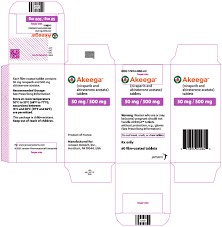
When using niraparib and abiraterone tablets (Akeega) for combination treatment, patients need to pay special attention to a series of possible side effects and precautions. These include, but are not limited to, myelodysplastic syndrome/acute myeloid leukemia, myelosuppression, hypokalemia, fluid retention and cardiovascular adverse effects, hepatotoxicity, adrenocortical insufficiency, hypoglycemia, and posterior reversible encephalopathy syndrome, among others. Below is a detailed explanation of these considerations.
1. Myelodysplastic syndrome (MDS) and acute myeloid leukemia (AML) are serious complications that have been observed in patients treated with niraparib, including some fatal cases. Typically, such patients have already undergone chemotherapy with platinum-based drugs and other DNA-damaging drugs, such as radiation therapy, before receiving Akeega treatment. Therefore, in patients with suspected MDS or acute myeloid leukemia, use of Akeega should be discontinued immediately and appropriate hematology tests should be performed.
2. Bone marrow suppression is another important concern, often manifested by anemia, thrombocytopenia and neutropenia. In clinical trials, 3% of patients were forced to discontinue treatment due to anemia. Given this situation, it is appropriate to continuously monitor complete blood counts during treatment with Akeega to ensure that patients have fully recovered from hematological toxicities caused by prior therapy before starting a new round of treatment. If hematological toxicity occurs during treatment and is not resolved within 28 days, discontinuation of the drug should also be considered.
3. Regarding hypokalemia and fluid retention, Akeega may cause an increase in mineralocorticoid levels due to its CYP17 inhibitory effect, thereby causing hypokalemia and fluid retention. Particular caution is warranted in patients with heart failure, recent myocardial infarction, or other cardiovascular disease. Therefore, it is important to monitor and control the patient's blood pressure at the beginning and during treatment, and to correct any hypokalemia. If the patient experiences serious cardiovascular adverse reactions, Akeega must be discontinued immediately.
4. Liver toxicity is also an aspect that must be paid attention to when using this drug. Post-marketing experience has shown that abiraterone (abiraterone acetate) may cause severe liver damage, including fulminant hepatitis and acute liver failure. Permanent discontinuation of Akeega is necessary in patients with ALT (alanine aminotransferase) elevations greater than 3 times the upper limit of normal (ULN) and total bilirubin elevations greater than 2 times the ULN without biliary obstruction. At the same time, if patients find that ALT or AST (aspartate aminotransferase) reaches 20 times ULN at any time after using Akeega, they should stop taking the medication immediately.
5. In terms of adrenocortical insufficiency, clinical reports indicate that patients using daily steroids may develop this problem in situations of interruption and /or infection or stress. If there are relevant symptoms, timely examination is required to confirm the diagnosis. During stressful situations, corticosteroid dosage may need to be adjusted to ensure that the patient's adrenal gland function remains normal.
6. Hypoglycemia may also occur in some patients, especially those with diabetes who are taking thiazolidine drugs such as pioglitazone orrepaglinide. It is recommended to monitor blood glucose levels regularly during treatment with Akeega and after discontinuation of the drug to assess whether the dose of antidiabetic drugs needs to be adjusted to reduce the risk of hypoglycemia.
7. Posterior reversible encephalopathy syndrome (PRES) is also a potential side effect that patients need to pay attention to when using niraparib and abiraterone tablets. The incidence of PRES in patients treated with niraparib alone was clinically observed to be higher than the recommended dose range. Therefore, all patients treated with Akeega should be closely monitored for symptoms of PRES, and if suspected, the drug should be discontinued immediately and treated appropriately.
Reference materials:https://www.drugs.com/akeega.html
[ 免责声明 ] 本页面内容来自公开渠道(如FDA官网、Drugs官网、原研药厂官网等),仅供持有医疗专业资质的人员用于医学药学研究参考,不构成任何治疗建议或药品推荐。所涉药品可能未在中国大陆获批上市,不适用于中国境内销售和使用。如需治疗,请咨询正规医疗机构。本站不提供药品销售或代购服务。


