
.jpeg)
Is Lenvatinib a targeted drug or an immunotherapy drug? Difference explanation
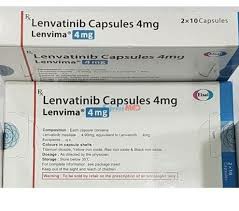
Lenvatinib (Lenvatinib) is an oral small molecule targeted therapy drug that is widely used in the treatment of a variety of solid tumors. With the rapid development of the field of cancer treatment, targeted drugs and immune drugs have become the two main treatment directions. Many patients and their families are often confused about which type of drug lenvatinib belongs to when faced with drug selection. This article will explain in detail the properties of lenvatinib as a targeted drug and its differences with immune drugs to help patients better understand its treatment characteristics and mechanism of action.
1. Drug properties of lenvatinib——targeted drugs
Lenvatinib is a multi-target tyrosine kinase inhibitor (TKI), which mainly inhibits vascular endothelial growth factor receptor (VEGFR) 1-3 and fibroblast growth factor receptor (FGFR ) 1-4, platelet-derived growth factor receptor (PDGFRα), RET and KIT and other tyrosine kinases, thus blocking the signaling pathways of tumor growth and new blood vessel formation. Its core function is to "target" key molecules in tumor cells and the tumor microenvironment, and directly inhibit the proliferation, angiogenesis and spread of tumor cells. By interfering with these signals, lenvatinib reduces the tumor's blood supply, limiting its growth.
As a targeted drug, lenvatinib has the characteristics of strong selectivity and clear mechanism. It targets specific molecular targets on the surface or inside of tumor cells. Different from the broad killing of traditional chemotherapy drugs, targeted drugs tend to have fewer side effects and are better tolerated. Lenvatinib is approved for the treatment of various cancers such as thyroid cancer, hepatocellular carcinoma, and renal cell carcinoma, and has shown good efficacy especially in advanced patients.
2. Basic concepts of immune drugs
Immune drugs usually refer to immune checkpoint inhibitors (ICI) and other drugs that activate the body's immune system, such as PD-1/PD-L1 antibodies, CTLA-4 antibodies, etc. The core mechanism of immune drugs is to relieve the suppression of the immune system by tumors and restore the patient's own immune cells to the ability to recognize and attack cancer cells. It does not directly act on tumor cells, but regulates the state of the patient's immune system and improves the body's immune response to tumors.
Immunotherapy has become an important breakthrough in tumor treatment in recent years, and has achieved remarkable results in cancers such as lung cancer and melanoma. Immune drugs may bring long-lasting therapeutic effects, but they are also accompanied by autoimmune-related side effects, such as immune hepatitis, pneumonia, etc.
3. The difference between lenvatinib and immune drugs
1.Different mechanisms of action
Lenvatinib directly inhibits the growth and angiogenesis of tumor cells by targeting specific tyrosine kinases; while immune drugs kill tumors indirectly by activating or removing the suppression of tumors by the immune system.
2.Different targets
The target of Lenvatinib is mainly tumor-related receptor tyrosine kinases, such asVEGFR, FGFR, etc.; immune drugs target immunity Checkpoint molecules, such as PD-1, PD-L1, CTLA-4, etc.
3.The side effects are different
Common side effects of lenvatinib include hypertension, proteinuria, fatigue, and hand-foot syndrome, which are mainly related to blood vessels and tumor microenvironment. Immune drugs may trigger autoimmune reactions leading to multi-organ inflammation, and the types of side effects and management methods vary significantly.
4.Different treatment applications and strategies
Lenvatinib is used alone or in combination with immune drugs to treat a variety of solid tumors, especially in patients who are inoperable or who have failed traditional treatments. Immune drugs are usually used as single drugs or combination regimens to activate the immune system to exert anti-cancer effects. The two are often clinically complementary, and combined treatment is becoming an increasingly trend.
4. Joint application in clinical practice
In recent years, the combined use of lenvatinib and immune checkpoint inhibitors (such asPD-1 antibodies) has shown synergistic anti-tumor effects. Lenvatinib inhibits tumor angiogenesis, improves the tumor microenvironment, and helps immune cells better enter tumor tissues, thereby enhancing the effect of immunotherapy. This combination therapy has become the first-line treatment standard for diseases such as advanced hepatocellular carcinoma, greatly improving patients' survival rate and quality of life.
In summary, lenvatinib is a typical targeted therapy drug that mainly works by inhibiting tumor-related tyrosine kinases, which is essentially different from the immune activation mechanism of immune drugs. Understanding the difference between the two can help patients understand treatment options more accurately, reasonably expect treatment effects, and cooperate with doctors to complete individualized treatment plans. In the future, with the in-depth research and combined application of targeted drugs and immune drugs, cancer treatment will move into a new stage that is more precise and effective.
Reference materials:https://www.drugs.com
[ 免责声明 ] 本页面内容来自公开渠道(如FDA官网、Drugs官网、原研药厂官网等),仅供持有医疗专业资质的人员用于医学药学研究参考,不构成任何治疗建议或药品推荐。所涉药品可能未在中国大陆获批上市,不适用于中国境内销售和使用。如需治疗,请咨询正规医疗机构。本站不提供药品销售或代购服务。


