
.jpeg)
Detailed analysis of the pharmacological mechanism and clinical significance of fostatinib sodium salt hydrate
Fostamatinib sodium salt hydrate is an oral small molecule inhibitor that belongs to the kinase inhibitor family and has unique pharmacological characteristics and important clinical significance. As a new type of therapeutic drug, fostatinib works by targeting specific signaling pathways, especially in immune-related diseases and hematological diseases, showing broad application prospects. This article will analyze in detail the pharmacological properties of fostatinib sodium hydrate and its important clinical value.
First, fostatinib sodium salt hydrate is an oral prodrug that selectively inhibits spleen tyrosine kinase (Spleen Tyrosine Kinase, SYK). SYK is a non-receptor tyrosine kinase that participates in multiple signaling pathways and regulates the activation, proliferation and function of immune cells. After oral administration, fostatinib is rapidly metabolized into the active metabolite R406, which directly inhibits the enzyme activity of SYK and thereby blocks BB cell receptor (BCR) and Fc receptor-mediated signal transduction, thereby reducing inflammatory reactions and autoimmune reactions. This mechanism allows fostatinib to effectively regulate abnormal activation of the immune system, which is the basis for its efficacy in immune-related diseases.
From the perspective of pharmacological characteristics, fostatinib sodium hydrate has good oral bioavailability and a long half-life, allowing patients to achieve convenient daily oral administration. Its metabolism mainly depends on the liver's cytochrome P450 enzyme system, especially CYP3A4. Therefore, attention should be paid to interactions with other drugs when used in combination. In addition, fostatinib selectively inhibits SYK and has less influence on other kinases. Its side effects are relatively controllable and its safety is good.
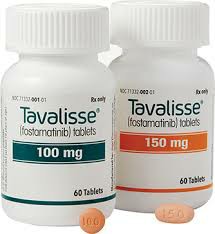
In terms of clinical application, fostatinib sodium hydrate was first approved for the treatment of chronic immune thrombocytopenia (Immune Thrombocytopenia, ITP). ITPIt is a disease caused by the immune system abnormally attacking its own platelets, and patients are prone to bleeding tendencies. Traditional treatments include glucocorticoids, immunosuppressants, and splenectomy, but some patients have limited therapeutic effects or significant side effects. Fostatinib inhibits SYK and reduces platelet phagocytosis and destruction by macrophages, thereby effectively increasing platelet counts and improving patient symptoms. Clinical trials have shown that fostatinib has significant efficacy in improving platelet levels in ITP patients and is well tolerated, providing a new treatment option for refractory patients.
In addition, fostatinib also shows potential in other autoimmune diseases such as rheumatoid arthritis and systemic lupus erythematosus. Its role in regulating immune cell activity helps control inflammation and tissue damage. Relevant clinical research is ongoing, and we look forward to further expanding its scope of indications in the future. In addition, fostatinib has also been actively explored in the research of certain hematological tumors and allergic diseases, showing multiple therapeutic potentials.
In summary, fostatinib (fotantinib) sodium salt hydrate plays a key role in regulating abnormal immune responses and inflammatory processes through its mechanism of specifically inhibiting SYK. Its good oral drug properties and safety make it an important choice for the treatment of chronic immune thrombocytopenia and other diseases. In the future, with the accumulation of more clinical data, fostatinib is expected to play a greater role in more immune-related diseases and blood diseases, benefiting more patients.
Reference materials:https://www.drugs.com
[ 免责声明 ] 本页面内容来自公开渠道(如FDA官网、Drugs官网、原研药厂官网等),仅供持有医疗专业资质的人员用于医学药学研究参考,不构成任何治疗建议或药品推荐。所涉药品可能未在中国大陆获批上市,不适用于中国境内销售和使用。如需治疗,请咨询正规医疗机构。本站不提供药品销售或代购服务。


