
.jpeg)
How effective is the combination of Bortezomib and Telisotuzumab?
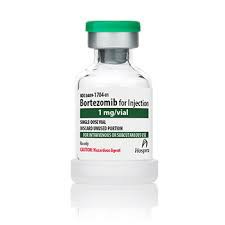
Bortezomib is a proteasome inhibitor that has been widely used to treat multiple myeloma (MM) and some lymphomas, while terituzumab (Telisotuzumab Vedotin) is an antibody drug conjugate (ADC) that targets the c-MET receptor, mainly targeting solid tumors that express c-MET such as non-small cell lung cancer (NSCLC). The two drug mechanisms are different, but from the perspective of immune regulation and targeted killing, there is a certain potential for combined treatment, which has attracted the attention of multiple clinical research teams in recent years. This article will analyze the effects and clinical prospects of the combination of bortezomib and terituzumab from four aspects: pharmacological mechanism, potential combination logic, preliminary research data, and practical application challenges.
1. Complementary pharmacological mechanisms provide a theoretical basis for combination
Bortezomib, as the first-generation proteasome inhibitor, mainly inhibits the activity of the 26S proteasome and blocks the degradation process of proteins in tumor cells, thereby inducing cell apoptosis. It can also increase the sensitivity of tumor cells to other treatment modalities, such as chemotherapy or immunotherapy. In addition, bortezomib can regulate the tumor microenvironment and reduce the expression of tumor-related immunosuppressive factors, making tumors more easily recognized and eliminated by the immune system.
Territuzumab is an anti-c-MET monoclonal antibody linked to a cytotoxic MMAE (monomethyl auristatinE) pan>ADC drugs can specifically recognize tumor cells expressing c-MET, accurately deliver MMAE into the cells, and cause tumor cell death by destroying the microtubule structure. This targeted mechanism can effectively reduce damage to normal cells and improve treatment specificity.
The mechanisms of the two drugs are complementary: Bortezomib provides intracellular protein stress and immune environment regulation, while terituzumab directly detonates the toxic load in tumor cells. Therefore, theoretically speaking, the combination of the two drugs can achieve a double strike: on the one hand, it enhances the intracellular stress burden, and on the other hand, it accurately kills tumor cells with specific targets.
2. Progress in preclinical research and target crossover exploration
Although there is currently insufficient clinical data on direct combination therapy with bortezomib and terituzumab, some studies and case reports suggest possible synergistic effects. For example, in somec-METIn multiple myeloma cell lines with high expression, the c-MET signaling pathway has been confirmed to be related to cell proliferation, apoptosis evasion and proteasome function. Simultaneous inhibition of proteasome function (done by bortezomib) and c-MET signaling (done by Telisotuzumab) in these specific cells may significantly enhance the cell death response.
In addition, in the fields of non-small cell lung cancer and head and neck cancer, there have been relevant trials exploring the combination of ADC drugs with immunomodulatory drugs, showing potential advantages. Therefore, combining bortezomib, a drug with immune-modulating and protein-processing interference capabilities, with terituzumab may have a similar synergistic effect, especially in patients who are resistant to traditional treatments.
3. Potential clinical beneficiary groups and speculation on indications
Theoretically, those most likely to benefit from this combination are tumor types that have high c-MET expression and are sensitive to protein stress. For example, when some c-MET positive non-small cell lung cancer patients develop resistance after standard chemotherapy and EGFR-TKI treatment, they may be suitable to try this combination regimen; and For example, for some plasma cell tumors that express c-MET, when the efficacy of bortezomib alone decreases, adding Telisotuzumab is expected to provide a new treatment breakthrough.
In addition, this combination can also be used as a model combination to explore resistance mechanisms to study whether c-MET inhibition can change the cellular state of resistance to proteasome inhibitors, thereby expanding the synergistic strategy between existing targeted drugs and traditional drugs.
4. Challenges and prospects
Although the two are complementary in mechanism, they still face many challenges. First of all, both may cause neurotoxicity, especially the MMAE component carried by terituzumab overlaps with the known risk of peripheral neuropathy of bortezomib, which requires close monitoring and careful dosage adjustment; secondly, both are systemic anti-cancer drugs that may cause a strong immunosuppressive reaction, and side effects such as severe infection or bone marrow suppression need to be prevented.
In addition, the metabolic pathways of the two drugs may also interact with each other, such as through the interaction of the CYP450 enzyme system, which may lead to prolonged drug half-life or accumulation of toxicity. Therefore, when designing a combination treatment plan, the dosage, treatment cycle and monitoring frequency must be strictly set to ensure treatment safety.
In summary, the combination of bortezomib and terituzumab is still in the exploratory stage, but it is highly complementary and has potential synergistic effects in terms of mechanism. If its safety and effectiveness can be verified through clinical trials in a precise population in the future, it is expected to provide new treatment paths for some patients with refractory tumors. For clinicians and researchers, this combined strategy deserves further development and rigorous validation.
Reference materials:https://www.drugs.com
[ 免责声明 ] 本页面内容来自公开渠道(如FDA官网、Drugs官网、原研药厂官网等),仅供持有医疗专业资质的人员用于医学药学研究参考,不构成任何治疗建议或药品推荐。所涉药品可能未在中国大陆获批上市,不适用于中国境内销售和使用。如需治疗,请咨询正规医疗机构。本站不提供药品销售或代购服务。


