
.jpeg)
What are the main differences between ixazomib and bortezomib and which one is better?
Ixazomib and bortezomib are proteasome inhibitors widely used to treat multiple myeloma (MM) and other hematological malignancies. As an important anti-cancer therapeutic drug, proteasome inhibitors interfere with the protein degradation process of tumor cells and promote the accumulation of abnormal proteins, thereby leading to cell death. Although these two drugs share similar mechanisms, there are some significant differences between them, including mode of administration, pharmacokinetics, efficacy, side effects, and patient suitability. During treatment, the choice of which drug is better usually depends on the patient's specific condition, drug tolerance, and individualized adjustments to the treatment plan.
1. Differences in administration methods
Bortezomib (Bortezomib) was first used in clinical treatment as a proteasome inhibitor. Its administration methods include intravenous injection and subcutaneous injection. Patients usually need to receive bortezomib injections in the hospital, making the treatment process relatively complex and time-consuming. Especially for patients who require long-term treatment, frequent hospitalizations and injections may affect quality of life. The treatment cycle of bortezomib is usually twice weekly, and the periodicity of administration and hospital dependence may cause a certain burden on patients.
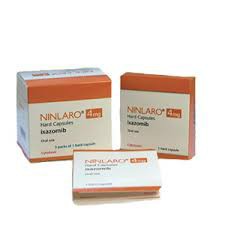
In comparison, ixazomib (Ixazomib) is the first approved oral proteasome inhibitor. The oral administration of this drug greatly improves the convenience and flexibility of treatment, allowing patients to complete treatment at home and reducing the need for frequent medical visits. Ixazomib is typically taken once or twice weekly, and the flexibility and autonomy of dosing allows patients to enjoy a higher quality of life during long-term treatment. Ixazomib provides a more convenient treatment option for patients who are unable to visit a doctor frequently or who are unwilling to undergo injection therapy.
2. Comparison of efficacy and indications
In terms of efficacy, the clinical application of bortezomib and ixazomib has shown significant anti-tumor effects. Bortezomib has been widely used to treat multiple hematological malignancies such as multiple myeloma and mantle cell lymphoma, and has become one of the standard treatments. Multiple clinical trials have confirmed that bortezomib can effectively delay disease progression and improve survival rates in patients with multiple myeloma. As a classic drug, the efficacy of bortezomib has been widely verified, and its clinical use has been supported by in-depth research.
As a second-generation proteasome inhibitor, ixazomib, although relatively new in clinical application, has also been proven to have significant efficacy in the treatment of multiple myeloma. Especially for patients who are resistant to traditional drugs such as bortezomib, ixazomib has shown good efficacy. Clinical studies have shown that ixazomib can effectively control tumor progression, reduce proteinuria, prolong progression-free survival (PFS), and improve patients' quality of life to a certain extent.
3. Comparison of side effects
Like other anticancer drugs, bortezomib and ixazomib have side effects, but their side effects spectrum is slightly different. Common side effects of bortezomib include neuropathy (such as numbness, tingling), blood system problems (such as anemia, leukopenia, thrombocytopenia), gastrointestinal reactions (such as nausea, vomiting), etc. Neuropathy, in particular, may have a greater impact on patients' daily lives and therefore requires close monitoring during treatment.
The side effects of ixazomib are relatively mild, especially because the oral administration method makes the occurrence of side effects relatively controllable. Common side effects include blood system reactions, gastrointestinal discomfort, rash, etc., but the overall tolerance is good. Ixazomib is less likely to cause neuropathy, especially with long-term use, and may therefore be considered a more tolerable drug in certain patient groups.
4. Which one is better?
There is no simple answer to which drug is better. Bortezomib and ixazomib each have their own advantages, and in different clinical situations, doctors may choose the most appropriate drug based on factors such as the patient's condition, drug resistance, side effect tolerance, and convenience of treatment. If the patient is less dependent on injectable therapy and is able to see a doctor regularly, bortezomib may be a more suitable option. For those patients who require oral medications and desire greater treatment flexibility, ixazomib provides a more ideal option.
Overall, the efficacy of both drugs has been clinically proven and has shown an important role in the treatment of multiple myeloma. The final treatment choice should be decided jointly by the patient and physician and individualized based on the patient's specific circumstances.
Reference materials:https://www.ninlaro.com/
[ 免责声明 ] 本页面内容来自公开渠道(如FDA官网、Drugs官网、原研药厂官网等),仅供持有医疗专业资质的人员用于医学药学研究参考,不构成任何治疗建议或药品推荐。所涉药品可能未在中国大陆获批上市,不适用于中国境内销售和使用。如需治疗,请咨询正规医疗机构。本站不提供药品销售或代购服务。


