
.jpeg)
What is the difference in the mechanism of action of venetoclax/venetoclax and chidamide?
In the field of anti-cancer treatment, the development of targeted drugs has brought new hope for the treatment of various types of tumors. Venetoclax and Vorinostat are two drugs commonly used to treat hematological malignancies, but their mechanisms of action are completely different. Understanding their respective mechanisms of action can help us better understand their therapeutic effects, indications and clinical applications.
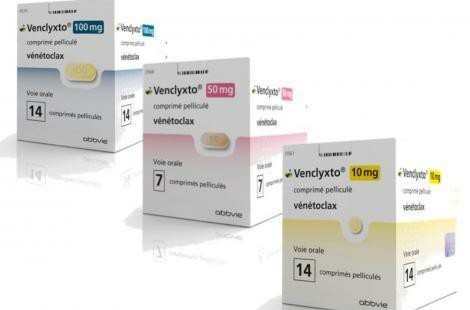
Veneclar is an oral small molecule drug that is used as a BCL-2 inhibitor and is mainly used to treat chronic lymphocytic leukemia (CLL)) and acute myeloid leukemia (AML). BCL-2 protein is an anti-apoptotic protein that can prevent tumor cells from entering the self-destruction program (apoptosis). In many leukemia patients, the expression of BCL-2 is increased, causing cancer cells to survive and continue to proliferate, leading to drug resistance. Venetoclax specifically inhibits BCL-2 protein, relieves this inhibitory effect, and promotes the self-apoptosis of leukemia cells, thereby achieving anti-tumor effects. By inhibiting BCL-2, venetoclax increases tumor cell apoptosis and enhances the effects of other treatments, such as chemotherapy.
The mechanism of action of venetoclax is highly targeted. Unlike traditional chemotherapy drugs, venetoclax does not directly kill all cells, but selectively acts on BCL-2-dependent tumor cells. Since the effect of BCL-2 is mainly limited to tumor cells, venetoclax causes relatively little damage to normal cells and has relatively mild side effects. In addition, venetoclax also has significant potential for combination therapy and is often used in combination with other chemotherapy drugs (such as azacitidine), which can significantly improve treatment response and survival rate.
Unlike venetoclax, chidamide is a histone deacetylase inhibitor (HDAC inhibitor), which mainly exerts anti-tumor effects by changing chromatin structure and regulating gene expression. Histone deacetylase is often overactive in cancer cells, leading to dysregulated gene expression that promotes tumor cell survival and proliferation. Chidamide inhibits HDAC, changes the acetylation status of chromatin, enhances the expression of tumor suppressor genes, inhibits genes that promote the growth of cancer cells, and ultimately triggers cancer cell apoptosis. Through this mechanism, chidamide can act on a wide range of tumor types, especially for the treatment of cutaneous T-cell lymphoma (CTCL) and other hematological malignancies.
The mechanism of action of chidamide is more complex. It not only affects gene expression, but may also enhance the anti-tumor effect by regulating immune responses and inhibiting tumor angiogenesis. Different from the targeting of venetoclax, Chidamide has a more comprehensive effect. It can not only inhibit the proliferation of tumor cells by changing the expression pattern of genes, but may also regulate the tumor microenvironment, thereby improving the immune system's recognition and attack of tumor cells.
There are several significant differences between the two mechanisms of action. First of all, venetoclax mainly acts on the anti-apoptotic pathway of tumor cells, selectively inhibiting BCL-2 protein and promoting apoptosis of tumor cells, while chidamide inhibits HDAC, changes the chromatin structure, and regulates the expression of various genes, thereby triggering widespread apoptosis. Venecurate is mainly used in the treatment of leukemia and other hematological tumors, while chidamide is more commonly used in cutaneous T-cell lymphoma and other types of tumors.
In addition, venetoclax has strong targeting ability, and it mainly acts onBCL-2 protein, which makes it more effective in treating BCL-2-dependent tumors such as leukemia. The mechanism of action of chidamide is relatively broad, not only involving the regulation of chromatin, but may also affect the immune system, angiogenesis and other aspects. Therefore, chidamide is used clinically for more types of tumors, and its side effects are more significant, such as nausea, vomiting, fatigue, etc.
Reference materials:https://www.venclexta.com/
[ 免责声明 ] 本页面内容来自公开渠道(如FDA官网、Drugs官网、原研药厂官网等),仅供持有医疗专业资质的人员用于医学药学研究参考,不构成任何治疗建议或药品推荐。所涉药品可能未在中国大陆获批上市,不适用于中国境内销售和使用。如需治疗,请咨询正规医疗机构。本站不提供药品销售或代购服务。


