
.jpeg)
Analysis of possible side effects and countermeasures of Lenvatinib
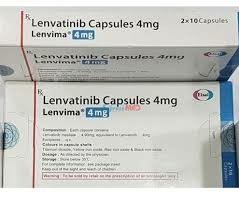
Lenvatinib (also known as lenvatinib, English name: lenvatinib) is a multi-target tyrosine kinase inhibitor (multi-kinase inhibitor) that can inhibit tumor angiogenesis and tumor cell proliferation. It is widely used to treat a variety of malignant tumors, such as thyroid cancer, hepatocellular carcinoma, renal cell carcinoma and endometrial cancer. Despite its significant anti-tumor effect, lenvatinib may also cause a series of side effects during treatment because its mechanism of action involves multiple signaling pathways. This article will systematically analyze the common side effects, mechanisms and countermeasures of lenvatinib to help patients better understand and manage drug-related risks.
1. Common side effects of lenvatinib
According to multiple clinical studies and real-world medication data, common side effects during lenvatinib treatment mainly include the following categories:
Hypertension: It is one of the most common adverse reactions, with an incidence rate of more than 40%, and some patients even need to interrupt treatment.
Fatigue and decreased physical strength: Patients often complain of weakness, lethargy, and reduced activity tolerance, which affects the quality of daily life.
Gastrointestinal reactions: including nausea, vomiting, loss of appetite, diarrhea, etc. In severe cases, it can lead to significant weight loss and dehydration.
Proteinuria: Some patients will develop proteinuria during treatment and even develop renal damage.
Hand-foot syndrome: manifests as numbness, tingling, redness and swelling of the hands and feet, affecting the patient's mobility.
Abnormal liver function: Some patients develop symptoms of liver function damage such as elevated transaminases and abnormal bilirubin during treatment.
Increased risk of bleeding: Due to its anti-angiogenic effects, it may affect vessel wall stability and increase bleeding tendency.
2. Analysis of the mechanism of side effects
Lenvatinib blocks tumor neovascularization and related signaling pathways by inhibiting various receptor tyrosine kinases such as VEGFR, FGFR, PDGFR. However, these pathways also play an important role in normal physiological functions of the human body, and their inhibition can lead to side effects related to the following mechanisms:
Hypertension:VEGFR Inhibition can cause vascular endothelial dysfunction, reduce nitric oxide release, lead to vasoconstriction, and thereby increase blood pressure.
Gastrointestinal reactions:FGFR is involved in gastrointestinal mucosal repair and metabolic balance. Inhibition can easily lead to mucosal damage and abnormal gastrointestinal motility.
Proteinuria and kidney damage:VEGFRIt has a maintenance effect on glomerular capillary function, and its inhibition will lead to increased glomerular permeability and proteinuria.
Hand-foot syndrome: Drugs accumulate in the capillaries at the end of the limbs, causing skin inflammation and nerve ending damage.
Abnormal liver function: mainly due to increased drug metabolism load or direct toxic effects on liver cells.
3. Side effects management and countermeasures
In order to maximize the therapeutic effect and patient quality of life, it is particularly important to properly manage the side effects associated with lenvatinib. The following are strategies for dealing with different adverse reactions:
1. Hypertension management
Blood pressure should be assessed and controlled within the normal range before medication;
Monitor blood pressure every week during treatment. If it rises significantly, antihypertensive drugs (such asACEI, calcium channel blockers) can be given;
If severe hypertension occurs (such as level 3 or above), it is recommended to temporarily stop taking the medication or reduce the dose.
2. Fatigue and weakness
Encourage patients to maintain appropriate activities and avoid excessive physical exertion;
Adjust work and rest schedules to ensure adequate rest;
It can be combined with nutritional support and psychological counseling to reduce mental burden.
3. Gastrointestinal discomfort
It is recommended to eat in small portions and avoid greasy and irritating foods;
For severe nausea or diarrhea, antiemetics or antidiarrheals such as loperamide may be used;
Pay attention to the balance of water and electrolytes to prevent dehydration and hypokalemia.
4. Proteinuria and renal function protection
It is recommended to regularly monitor urine routine and renal function indicators during treatment;
When proteinuria is moderate or above (≥2+), dose reduction or discontinuation should be considered;
People with hypertension need to actively control blood pressure and protect kidney function.
5. Management of hand-foot syndrome
Avoid wearing tight shoes and socks during medication to reduce mechanical stimulation;
Topical urea cream, vitaminA acid ointment, etc. can relieve skin discomfort;
If symptoms interfere with daily activities, short-term discontinuation or dose adjustment may be considered.
6. Liver function monitoring
Liver function should be monitored every 2 weeks during the initial period of medication. If ALT and AST increase ≥3 times the upper limit, medication should be suspended;
Arrange your diet reasonably, reduce the burden on your liver, and avoid drinking alcohol;
Seek medical attention immediately if jaundice or obvious liver discomfort occurs.
4. Comprehensive treatment suggestions and prospects
In clinical practice, lenvatinib, as a powerful targeted drug, has been recognized by many international studies for its efficacy. However, it has many types of side effects and is relatively difficult to manage. Therefore, it is recommended to establish a complete assessment system before starting treatment, including blood pressure, liver and kidney function, electrocardiogram, living status, etc., and to conduct regular dynamic monitoring after medication to facilitate early detection of problems and timely treatment.
In addition, with the advancement of combination treatment strategies (such as the combination with the immune checkpoint inhibitor pembrolizumab to treat liver cancer), the application field of lenvatinib is expanding, and its toxicity spectrum may also change, and it is necessary to establish an individualized side effect response plan. In the future, by optimizing dosage forms, improving dosing methods, and enhancing adverse reaction warning systems, it is expected to further improve patients' tolerance and long-term compliance with lenvatinib.
In summary, lenvatinib exhibits significant anti-tumor activity in the treatment of a variety of advanced solid tumors, but is accompanied by a certain risk of side effects. Scientific management of adverse reactions and multidisciplinary joint intervention are the keys to ensuring efficacy, prolonging survival and improving quality of life. Patients should maintain close communication with their doctors during the medication process, use medications scientifically, and standardize follow-up visits to maximize the therapeutic effect.
Reference materials:https://www.drugs.com/
[ 免责声明 ] 本页面内容来自公开渠道(如FDA官网、Drugs官网、原研药厂官网等),仅供持有医疗专业资质的人员用于医学药学研究参考,不构成任何治疗建议或药品推荐。所涉药品可能未在中国大陆获批上市,不适用于中国境内销售和使用。如需治疗,请咨询正规医疗机构。本站不提供药品销售或代购服务。


