
.jpeg)
Analysis of the clinical efficacy of fostatinib (fotantinib) combined with avatrombopag
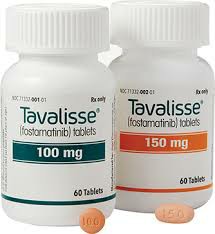
Fostamatinib (also known as fostamatinib, English name fostamatinib) is an oral spleen tyrosine kinase (Syk) inhibitor, mainly used to treat chronic immune thrombocytopenia (ITP). Avatrombopag (avatrombopag) is an oral thrombopoietin receptor agonist (TPO-RA), which stimulates megakaryocytes in the bone marrow to produce platelets. It has been approved for the treatment of chronic ITP and other thrombocytopenia-related diseases. In recent years, there has been an increasing amount of exploration into fostatinib combined with avatrombopag in the treatment of ITP, especially for patients who have poor response to a single TPO-RA or Syk inhibitor. Combination therapy provides new clinical possibilities. The following will analyze the clinical effect of this combination from the aspects of pharmacological mechanism, combination treatment principle, clinical research data, risks and prospects.
1. Drug mechanisms are complementary, laying the foundation for combined treatment
Fostatinib, as a Syk inhibitor, mainly prevents antibody-mediated platelet destruction by inhibiting the activity of Syk kinase in macrophages. This mechanism of action is suitable for patients with ITP caused by immune-mediated platelet destruction, especially those who are ineffective in conventional treatments such as glucocorticoids and immunoglobulins.
In contrast, avatrombopag promotes megakaryocyte maturation and platelet production by activating the thrombopoietin receptor (TPO-R). It does not directly interfere with the immune process, but it can increase platelet production and improve platelet numbers from the "supplementary end".
Therefore, the mechanisms of fostatinib and avatrombopag complement each other: one starts from "reducing destruction" and the other focuses from "enhancing production". In theory, it can achieve more comprehensive control of platelet number, which is especially suitable for refractory ITP patients who have insufficient response to a single drug.
2. Overview of clinical research data on combination therapy
Although there are currently no large-scale randomized controlled trials that have officially approved the indications for fostatinib combined with avatrombopag, there have been a number of case reports and small-scale studies that have preliminarily verified the feasibility and efficacy of this combination. In a pooled retrospective study, multiple patients with chronic ITP refractory or inadequately responsive to monotherapy were included.patients who received fostatinib in combination with avatropopag.
The study found that the platelet count of most patients increased significantly within 4 to 8 weeks after combination therapy and could be maintained at a safe level. level (usually defined as ≥50×10⁹/L). More importantly, this combination also showed good efficacy in some patients who had poor response to TPO-RA or Syk inhibitors alone. Individual cases have shown that combination therapy not only improved bleeding symptoms, but also prolonged the duration of response, and some patients even successfully reduced or stopped taking immunosuppressive drugs.
3. Adverse reactions and tolerance analysis
Although the prospect of combination therapy is exciting, the safety issues it may bring cannot be ignored. In existing studies, common adverse reactions of fostatinib include hypertension, diarrhea, abnormal liver function and neutropenia; while avatrombopag may cause headache, fatigue, elevated liver enzymes, etc. When used together, some patients may experience symptoms such as increased liver function indicators and increased fatigue, suggesting that liver and kidney functions and blood routines need to be closely monitored during use.
Another issue of concern is drug interactions. Although no clear adverse interactions have been found between the two, theoretically combined treatment may increase the probability of certain toxic reactions. Therefore, it is recommended that this combination regimen be used with caution only in patients who are ineffective or highly resistant to monotherapy and strictly monitored under the guidance of an experienced hematologist.
4. Future Prospects and Clinical Practice Suggestions
As ITP treatment gradually develops in the direction of individualization and precision, for refractory and relapsed ITP patients, treatment methods that rely solely on a single mechanism are no longer able to meet clinical needs. The treatment idea of u200bu200bfostatinib combined with avatrombopag provides a new feasible option for this type of patients. Especially when traditional treatment methods are ineffective, this combination can be used as a "bridging" strategy to help patients stabilize platelet levels and create conditions for possible subsequent interventions (such as splenectomy, clinical trials, etc.).
However, it is worth emphasizing that the current studies on this combination regimen are mostly small sample and observational studies, lacking data support for large-scale clinical trials. More prospective, randomized controlled studies are needed in the future to evaluate its long-term efficacy, safety, and cost-effectiveness. At the same time, clear patient selection criteria, dose optimization and treatment course setting will also be key factors to promote the application of this combination in routine treatment pathways.
In summary, the treatment strategy of fostatinib combined with avatrombopag provides a breakthrough idea for some patients with chronic ITP, and has good potential value, especially when traditional treatments are ineffective. Although it is still in the exploratory stage, through scientific design and strict monitoring, this program is expected to occupy a place in the future ITP treatment system and improve the prognosis and quality of life of more patients.
Reference materials:https://www.drugs.com/
[ 免责声明 ] 本页面内容来自公开渠道(如FDA官网、Drugs官网、原研药厂官网等),仅供持有医疗专业资质的人员用于医学药学研究参考,不构成任何治疗建议或药品推荐。所涉药品可能未在中国大陆获批上市,不适用于中国境内销售和使用。如需治疗,请咨询正规医疗机构。本站不提供药品销售或代购服务。


