
.jpeg)
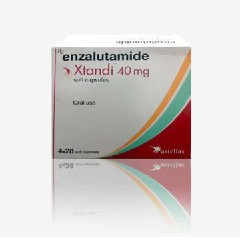
The main mechanism of action and efficacy of enzalutamide (enzalutamide) soft capsules
Enzalutamide (also known as enzalutamide, English name Enzalutamide) is a new second-generation androgen receptor (AR) inhibitor, which is widely used in the treatment of castration-resistant prostate cancer (CRPC) and metastatic castration-sensitive prostate cancer (mCSPC). Its soft capsule dosage form is the most commonly used oral form and has good bioavailability and drug stability. As a drug that targets the androgen pathway, enzalutamide offers a relatively mild and sustained treatment option for prostate cancer patients. The following will provide a detailed description of the drug's mechanism of action, efficacy characteristics, clinical application and efficacy evaluation.
1. The main mechanism of action of enzalutamide
The occurrence and development of prostate cancer are closely related to androgens, especially testosterone and dihydrotestosterone (DHT), which bind to androgen receptors, activate related gene transcription, and promote the growth of prostate cancer cells. The traditional treatment method is to reduce androgen levels in the body through castration (including surgery or drugs), but some patients will still experience disease progression after long-term castration, that is, develop castration-resistant prostate cancer.
The core mechanism of enzalutamide is to block the androgen signaling pathway in three ways:
Block the binding of androgens to AR: enzalutamide competitively binds to androgen receptors and prevents androgens (testosterone, DHT) from activating the receptors;
PreventAR from entering the nucleus: Even if AR is activated, enzalutamide can inhibit its migration into the nucleus;
Inhibits the binding of AR to DNA: Enzalutamide can also prevent AR from binding to the promoter region of target genes in the nucleus, fundamentally blocking the expression of downstream genes of androgen signaling.
Because of its multi-site blocking mechanism, enzalutamide has a significant inhibitory effect on the proliferation of prostate cancer cells, especially in patients with CRPC who were previously resistant to traditional anti-androgen therapy.
2. Efficacy characteristics and advantages
Enzalutamide has been widely recognized clinically for its superior efficacy, safety and convenience of taking. Compared with traditional anti-androgens (such as flutamide or bicalutamide), enzalutamide has a stronger anti-androgen effect and does not have partial agonist activity. It does not promote the growth of cancer cells in some tissues like older generation drugs.
According to clinical studies such as the AFFIRM, PREVAIL and ARCHES trials, enzalutamide can significantly prolong CRP C and mCSPC overall survival (OS) and progression-free survival (PFS), and improve patients' quality of life and incidence of bone-related events. Within weeks to months after taking the drug, patients can often observe a decrease in PSA levels, symptom relief, and a reduction in tumor burden on imaging.
Enzalutamide is taken orally once a day. The soft capsule specifications are usually 40mg and 160mg each time (i.e. 4 capsules). It can be taken with a meal or on an empty stomach, making it easier for patients to adhere to it for a long time. The metabolism of the drug in the body is relatively stable, and the blood drug concentration can be maintained for a long time, reducing the difference in efficacy caused by fluctuations.
3. Scope of clinical use and precautions
Enzalutamide is mainly suitable for the following types of patients:
Metastatic castration-resistant prostate cancer (mCRPC): regardless of previous chemotherapy;
Non-metastatic castration-resistant prostate cancer (nmCRPC): PSArapidly rising, with high risk of progression;
Metastatic castration-sensitive prostate cancer (mCSPC): as part of a combination regimen with ADT (androgen deprivation therapy).
However, enzalutamide may also cause a series of side effects during use, the more common of which include fatigue, hot flashes, high blood pressure, joint pain, and weight gain. A small number of patients may be at risk of epileptic seizures, and caution should be exercised especially in patients with brain metastases or those taking other drugs that affect the central nervous system. In addition, attention should be paid to drug-drug interactions. Enzalutamide can induce the CYP3A4 enzyme and affect the metabolism of other drugs, such as warfarin and certain anti-epileptic drugs. You should communicate with your doctor in advance.
4. Drug efficacy evaluation and individualized treatment recommendations
During the treatment process, multiple indicators are usually used to evaluate the efficacy of enzalutamide, including:
PSALevel monitoring: In the early stage of treatmentPSA decline is an early signal of efficacy;
Imaging examinations (such asCT, bone scan): observe changes in tumor size and metastases;
Symptom improvement: such as bone pain relief and physical fitness improvement;
Progression-free survival and overall survival: core measures of long-term effectiveness.
For some patients, enzalutamide may need to be combined with other treatments (such as abiraterone, chemotherapy, or radiotherapy) to improve efficacy or delay drug resistance. Strategies after treatment resistance include switching to other targeted drugs, immunotherapy, or participation in clinical trials.
Overall, enzalutamide, as a new androgen receptor inhibitor, provides an important treatment option for prostate cancer patients through its multi-target, potent and durable mechanism of action. Especially in the advanced and castration-resistant stages, the drug can prolong patients' lives, improve their quality of life, and provide more possibilities for personalized treatment. Correct medication management, timely efficacy evaluation and side effect monitoring are the keys to ensuring the maximum therapeutic effect of enzalutamide.
Reference materials:https://www.drugs.com/
[ 免责声明 ] 本页面内容来自公开渠道(如FDA官网、Drugs官网、原研药厂官网等),仅供持有医疗专业资质的人员用于医学药学研究参考,不构成任何治疗建议或药品推荐。所涉药品可能未在中国大陆获批上市,不适用于中国境内销售和使用。如需治疗,请咨询正规医疗机构。本站不提供药品销售或代购服务。


