
.jpeg)
What are the recommended dosage and precautions for selumetinib?
Selumetinib is an oral small molecule MEK inhibitor that mainly acts on the RAS/RAF/MEK/ERK signaling pathway and can effectively inhibit cell proliferation and promote tumor cell apoptosis. The drug has been approved by the U.S. FDA for the treatment of neurofibromatosis type I (NF1)-related plexiform neurofibromas (PN). As research continues, selumetinib is also being studied for the treatment of other types of cancer, including melanoma, lung cancer, and thyroid cancer. The following is a detailed introduction to the recommended usage and dosage of this medicine and precautions for use.
1. Recommended usage and dosage of selumetinib
The standard recommended dose of selumetinib is 25mg orally twice daily, once every 12 hours, continuously. For the treatment of NF1-associated plexiform neurofibromas (PN) in children ≥ 2 years of age and with a body surface area of u200bu200b1.0 m² and older. For pediatric patients whose body surface area is less than 1.0m², the dose will be individually adjusted based on the specific body surface area and needs to be calculated and confirmed by a professional doctor.
This medication should be taken on an empty stomach, that is, at least1 hour before a meal or 2 hours after a meal to ensure optimal drug absorption. The capsules must be swallowed whole and must not be opened, chewed or dissolved, otherwise it may affect the release rate and effect of the drug in the body.
If the patient misses a dose due to forgetting to take the medicine, and there is still a long time before the next dose (more than 6 hours), the patient can take it immediately; if it is close to the next dose time, the missed dose should be skipped and the dose should be continued as originally planned. Do not double the dose.
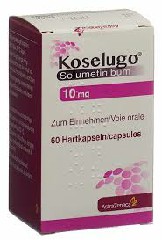
2. Monitoring and dose adjustment during treatment
During the use of selumetinib, doctors may make dose adjustments based on the patient's tolerance and adverse reactions. Common adjustments include reducing the dose, suspending the medication, or permanently discontinuing the medication. Dosage adjustment may be necessary when:
Abnormal liver function: monitorALT, AST and total bilirubin levels, if ≥3 grade liver function abnormality requires suspension of medication and waiting for recovery.
Effects on cardiac function: Selumetinib has the risk of reducing left ventricular ejection fraction (LVEF), and echocardiography should be performed regularly before and during treatment.
Vision problems: Drugs may cause eye symptoms such as retinopathy and blurred vision. If necessary, the drug needs to be discontinued and referred to an ophthalmologist for further examination.
3. Medication precautions
Attention to pregnant women and women of childbearing age: selumetinib may cause harm to the fetus, so strict contraception should be used during use. Female patients should use contraception for at least 4 weeks after the last dose, while male patients need to use contraception for at least 1 weeks. This drug is contraindicated in pregnant and lactating women.
Growth and development monitoring of pediatric patients: Since selumetinib is mainly used to treat neurofibromatosis in children, long-term use may have an impact on bone growth, so height, weight and bone age development need to be monitored regularly during treatment.
Interactions with other drugs: Selumetinib is mainly metabolized by CYP3A4. Combination with CYP3A4 strong inducers (such as rifampicin, carbamazepine) or inhibitors (such as itraconazole, clarithromycin) may affect the efficacy or increase toxicity. Special attention should be paid when using it, and the treatment plan should be adjusted under the guidance of a doctor.
Adverse reaction management: Common adverse reactions include rash, diarrhea, nausea, fatigue, and elevated liver enzymes. Some patients may also experience stomatitis, dry eyes, nail changes, etc. If adverse reactions affect daily life, the doctor should be promptly reported to adjust the medication plan.
4. Patient recommendations and long-term management
Selumetinib is a targeted therapy drug, and its therapeutic effect depends on long-term and stable use. Patients should cooperate with their doctors for regular review, including imaging evaluation, liver and kidney function, heart function and vision examination. For NF1 patients, regular monitoring of tumor volume changes is one of the key indicators for evaluating drug efficacy.
During the medication period, patients should pay attention to a light diet, a regular schedule, and avoid ingesting grapefruit foods and herbal ingredients containing CYP3A4 activity (such as St. John's wort). If severe symptoms such as fever, difficulty breathing, severe diarrhea, jaundice, etc. occur, seek medical attention immediately.
Overall, selumetinib, as an important MEK inhibitor, has shown good efficacy and tolerability in the treatment of NF1 related neurofibromas. Although some patients may experience side effects during medication, through standardized management and individualized treatment, most patients can successfully complete the course of treatment and obtain sustained benefits. For patients in need of treatment, it is recommended to formulate a detailed medication plan under the guidance of a professional doctor to ensure medication safety and maximize efficacy.
Reference materials:https://www.drugs.com/
[ 免责声明 ] 本页面内容来自公开渠道(如FDA官网、Drugs官网、原研药厂官网等),仅供持有医疗专业资质的人员用于医学药学研究参考,不构成任何治疗建议或药品推荐。所涉药品可能未在中国大陆获批上市,不适用于中国境内销售和使用。如需治疗,请咨询正规医疗机构。本站不提供药品销售或代购服务。


