
.jpeg)
What are the indications for bevacizumab? Scope of application
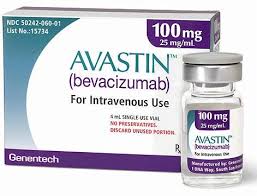
Bevacizumab (Bevacizumab) is a monoclonal antibody directed against vascular endothelial growth factor (VEGF), which can inhibit tumor angiogenesis, thereby effectively slowing down tumor growth. Due to its unique mechanism of action, bevacizumab is widely used in the treatment of various malignant tumors. The indications and scope of use of bevacizumab will be discussed in detail below.
1. Metastatic colorectal cancer
Bevacizumab is most commonly used to treat metastatic colorectal cancer. It mainly binds to vascular endothelial growth factor (VEGF) to inhibit the formation of new blood vessels in tumors and reduce the nutrient supply to tumors, thus limiting the growth and spread of tumors. Bevacizumab is often used in combination with chemotherapy drugs. In first-line treatment, bevacizumab can be used in combination with fluorouracil-based chemotherapy drugs, such as fluorouracil and oxaliplatin (FOLFOX) or fluorouracil and irinotecan (FOLFIRI). These chemotherapy regimens can enhance the anti-tumor effect of bevacizumab.
For patients with metastatic colorectal cancer who have progressed on first-line therapy, bevacizumab may be used as part of second-line therapy in combination with other agents such as fluorouracil-irinotecan or fluorouracil-oxaliplatin. However, it is important to note that bevacizumab is not indicated for adjuvant treatment of colon cancer, that is, to prevent recurrence after surgical resection.
2. Non-small cell lung cancer
Bevacizumab is also widely used to treat non-small cell lung cancer (NSCLC), particularly in unresectable or locally advanced, recurrent, or metastatic cases. In first-line therapy, bevacizumab may be used in combination with carboplatin and paclitaxel for the treatment of unresectable locally advanced or metastatic non-squamous non-small cell lung cancer. This combined treatment can effectively delay disease progression and improve patients' survival rate and quality of life.
The mechanism of action of bevacizumab in the treatment of lung cancer is also closely related to its ability to inhibitVEGF. By blocking tumor angiogenesis, bevacizumab can limit the blood supply to tumor cells, thereby inhibiting tumor growth and metastasis.
3. Glioblastoma
Bevacizumab is also used to treat recurrent glioblastoma in adults. Glioblastoma is a highly aggressive brain tumor that is very challenging to treat. Bevacizumab plays an important role in the treatment of recurrent glioblastoma by inhibiting tumor angiogenesis and reducing the nutrient supply to the tumor. Although it doesn't completely cure glioblastoma, it can slow tumor growth and improve patients' symptoms.
4. Metastatic renal cell carcinoma
For patients with metastatic renal cell carcinoma, bevacizumab is often used in combination with interferonα as a first-line treatment option. Bevacizumab inhibits tumor growth by preventing the formation of tumor blood vessels, while interferon helps control the spread of tumors by enhancing the immune system's response. Combination therapy can significantly improve patient survival and quality of life, especially for some advanced patients, and bevacizumab provides a new treatment option.
5. Cervical cancer
Bevacizumab is also used to treat persistent, recurrent, or metastatic cervical cancer. Treatment options typically include combination with paclitaxel and cisplatin or paclitaxel and topotecan. Bevacizumab helps control cancer development and delay disease progression by inhibiting tumor angiogenesis and reducing the nutrient supply to tumors.
For platinum-resistant recurrent cervical cancer, bevacizumab can be used in combination with pegylated liposomal doxorubicin or topotecan. These combination treatments improve the efficacy of the drug to a certain extent and extend the survival of patients.
6. Ovarian cancer, fallopian tube cancer and primary peritoneal cancer
Bevacizumab also has widespread use in the treatment of ovarian, fallopian tube, and primary peritoneal cancers. For these cancers, bevacizumab is often used in combination with carboplatin and paclitaxel, particularly in stage III or IV disease after initial surgical resection. Not only does bevacizumab enhance the efficacy of chemotherapy, it can also be used as a single agent to treat platinum-sensitive relapsed disease, especially in patients who have received no more than two chemotherapy regimens.
For platinum-resistant recurrent ovarian cancer, bevacizumab can be combined with pegylated liposomal doxorubicin or topotecan to further improve the therapeutic effect.
7. Hepatocellular carcinoma
In recent years, bevacizumab has also been used in the treatment of hepatocellular carcinoma (HCC). Bevacizumab is commonly used in combination with atezolizumab for the treatment of patients with unresectable or metastatic hepatocellular carcinoma who have not received prior systemic therapy. Hepatocellular carcinoma is a more malignant form of liver cancer and is often difficult to treat. Bevacizumab, used in combination with atezolizumab, enhances the anti-tumor immune response, helping patients control tumor growth and extend survival.
Although bevacizumab has achieved remarkable results in the treatment of various cancers, it also has certain limitations. First, bevacizumab is not suitable for adjuvant treatment of colon cancer, that is, it is not suitable for preventing recurrence of colon cancer after surgery. In addition, in some cases, the use of bevacizumab may cause serious side effects, such as high blood pressure, bleeding, heart problems, etc., so the patient's health needs to be closely monitored during treatment.
Reference materials:https://www.drugs.com/bevacizumab.html
[ 免责声明 ] 本页面内容来自公开渠道(如FDA官网、Drugs官网、原研药厂官网等),仅供持有医疗专业资质的人员用于医学药学研究参考,不构成任何治疗建议或药品推荐。所涉药品可能未在中国大陆获批上市,不适用于中国境内销售和使用。如需治疗,请咨询正规医疗机构。本站不提供药品销售或代购服务。


