
.jpeg)
Is Lazertinib effective in treating non-small cell lung cancer with brain metastasis?
Lazertinib (Lazertinib) is a third-generation epidermal growth factor receptor tyrosine kinase inhibitor (EGFR-TKI), which mainly targets EGFR mutated non-small cell lung cancer (NSCLC) patients, especially those with the T790M mutation. In recent years, with the widespread application of targeted therapy in lung cancer, lanzertinib has become an effective choice for the treatment of patients with EGFR mutant NSCLC and brain metastases due to its significant penetration ability and good efficacy in brain metastases. This article will provide a detailed analysis of the effect and related clinical data of lanzatinib in the treatment of non-small cell lung cancer with brain metastases.
Brain metastasis is a common and serious complication in patients with advanced non-small cell lung cancer, posing great challenges to treatment. Traditional chemotherapy drugs cannot effectively penetrate the blood-brain barrier, resulting in poor control of brain tumors. Lanzertinib, as a third-generation EGFR inhibitor, has excellent blood-brain barrier penetration ability and can significantly inhibit the proliferation of tumor cells in the brain. Multiple clinical studies have shown that lanzetinib has shown good efficacy in controlling brain metastases and significantly delayed disease progression.
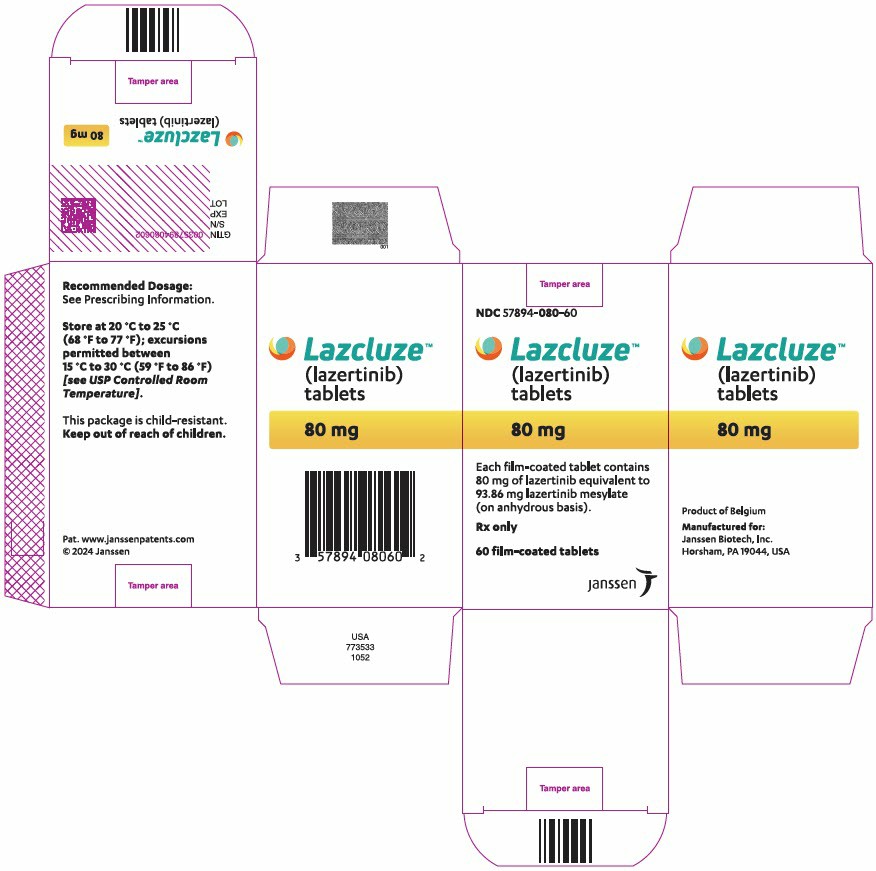
Lanzatinib has demonstrated high overall response rate (ORR) and progression-free survival (PFS) in the treatment of EGFR T790M mutation-positive advanced NSCLC patients. Especially in the brain metastasis patient population, lanzertinib has shown good central nervous system (CNS) response rates and durable control effects. Some clinical data show that after treatment with lanzertinib, the shrinkage rate of brain lesions is higher, the quality of life of patients is significantly improved, and the neurological symptoms and discomfort caused by brain metastasis are reduced.
The safety of Lanzertinib has also been fully verified. Compared with early EGFR inhibitors, the adverse reactions of lanzutinib are more controllable. Common side effects include rash, diarrhea and mild liver function abnormalities, and most side effects are mild to moderate and well tolerated by patients. This provides a good basis for patients to take medicine for a long time and enhances the continuity and effectiveness of treatment.
In summary, lanzutinib has shown good efficacy in the treatment of patients with non-small cell lung cancer with brain metastasis, especially for EGFRPatients with mutations and brain metastases. With its excellent blood-brain barrier penetration and good safety profile, lanzitinib provides new treatment hope for these patients. In the future, with the accumulation of more clinical data and in-depth research, lanzitinib is expected to play a more important role in the treatment of brain metastases NSCLC and improve the survival and quality of life of patients. Patients should follow medical advice during use and closely monitor treatment effects and adverse reactions to ensure safe and effective treatment.
Reference materials:https://www.drugs.com/
[ 免责声明 ] 本页面内容来自公开渠道(如FDA官网、Drugs官网、原研药厂官网等),仅供持有医疗专业资质的人员用于医学药学研究参考,不构成任何治疗建议或药品推荐。所涉药品可能未在中国大陆获批上市,不适用于中国境内销售和使用。如需治疗,请咨询正规医疗机构。本站不提供药品销售或代购服务。


