
.jpeg)
Will Alzheimer's disease recur after discontinuation of donanemab?
Donanemab (Donanemab) is a monoclonal antibody drug that targets β- amyloid plaques in Alzheimer's disease (AD). Its mechanism mainly slows down the neurodegenerative progression of the disease by clearing amyloid deposition in the brain. During treatment, patients typically experience some degree of relief in cognitive function and ability to function. However, the drug is not a curative treatment, so whether recurrence occurs after discontinuation of the drug depends on a variety of factors, including individual disease progression and neurological changes after drug elimination.
Judging from clinical research observations, the amyloid-clearing effect of donenemab lasts for a period of time in most patients, but it is not permanent. Studies have shown that the cognitive function of some patients can remain relatively stable if the drug is discontinued within a short period of time after reaching the plaque clearance criteria. However, some patients will experience re-exacerbation of the disease several months or a year after discontinuing the drug, especially if other treatments are not maintained. This suggests that discontinuation of donenezumab may be associated with a certain risk of recurrence, especially in individuals with rapid disease progression.
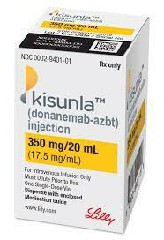
In addition, Alzheimer's disease itself is a progressive neurological disease, and drugs can only delay but not reverse the disease. If donenezumab is discontinued, new β- amyloid deposition reappears in the body, which may trigger inflammatory reactions and neuronal damage again, leading to further decline in cognitive ability. Therefore, whether and when to discontinue medication must be combined with medical evaluation, and special attention should be paid to the dynamic changes in PET imaging monitoring results and neurological function scores.
In general, although donenezumab is allowed under certain conditions to "discontinue the drug after plaque clearance", it cannot be applied to all patients in general. Relapse after drug withdrawal may exist. Doctors should conduct individualized assessments based on the patient's clinical condition, disease course, and drug response, and establish a long-term follow-up and management mechanism to ensure the sustainability and safety of the disease control effect.
Reference materials:https://www.drugs.com/
[ 免责声明 ] 本页面内容来自公开渠道(如FDA官网、Drugs官网、原研药厂官网等),仅供持有医疗专业资质的人员用于医学药学研究参考,不构成任何治疗建议或药品推荐。所涉药品可能未在中国大陆获批上市,不适用于中国境内销售和使用。如需治疗,请咨询正规医疗机构。本站不提供药品销售或代购服务。


